
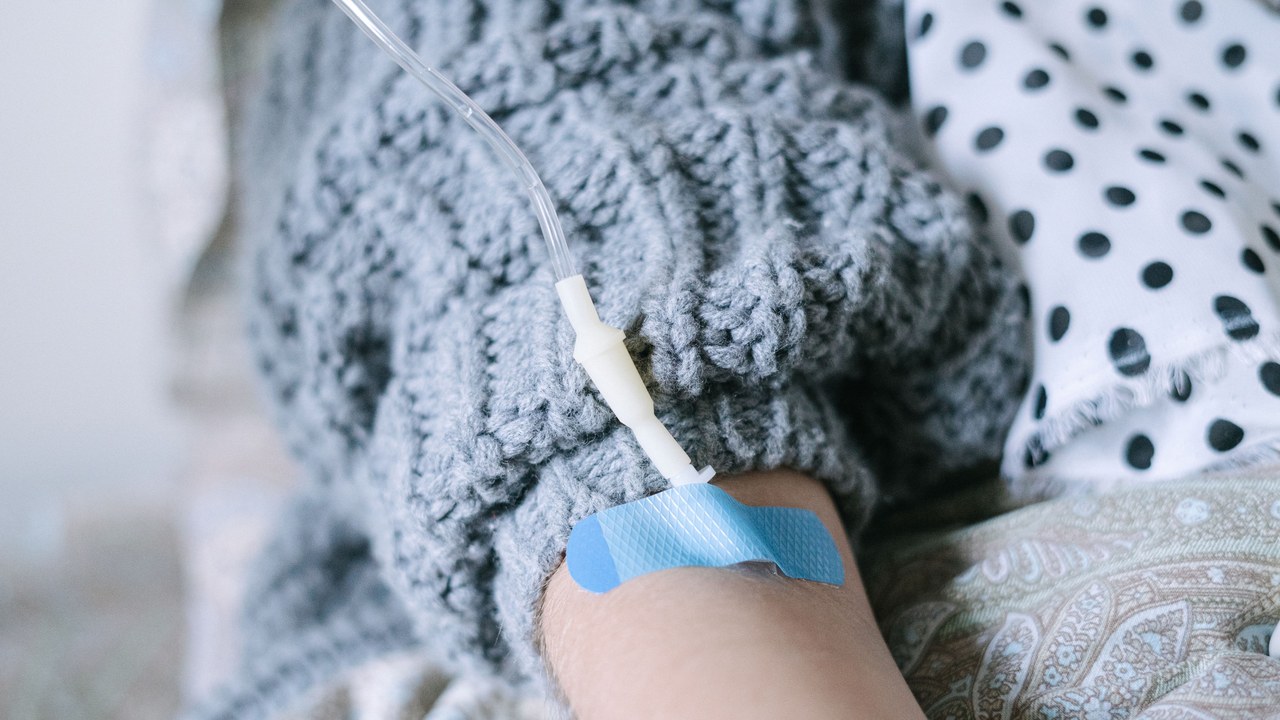
A new mandatory payment model for Part B drugs is scheduled to begin on January 1, 2027, and roughly one in four people in Original Medicare will be placed in it through random selection. The Centers for Medicare & Medicaid Services finalized the program, called the Global Benchmark for Efficient Drug Pricing (GLOBE) Model, on September 30, 2026.
The model reaches doctor-administered drugs such as infused and injected treatments billed under Part B, not the pills bought at a pharmacy. Because assignment is not a choice, millions of beneficiaries will be inside the model without having signed up for anything, and millions more will be outside it.
What CMS finalized on September 30
According to the CMS press release, GLOBE covers separately payable Medicare Part B drugs and biological products administered by clinicians in health care settings. The release quotes CMS Administrator Dr. Mehmet Oz on why the agency chose to act on what Part B patients and taxpayers pay for these drugs.
The mechanism works through rebates. The model uses pricing benchmarks from economically comparable countries to calculate the rebate amounts that drug makers owe on certain Part B drugs. The program’s legal footing is section 1115A of the Social Security Act, which lets the CMS Innovation Center test payment models.
The model page also states where the money goes: rebates paid by manufacturers continue to be sent directly to the Medicare Supplementary Medical Insurance Trust Fund, the pool that finances Part B. What changes, per CMS, is the benchmark behind the patient’s share, which the agency says will be tied to the international figure and so produce reduced drug costs for those selected.
Where the one-in-four figure comes from
The press release describes a randomly selected subset covering approximately 25% of Original Medicare beneficiaries. The CMS GLOBE model page adds that beneficiaries are included based on the model’s geographic area, which is the closest the agency comes to explaining the draw. The word "approximately" matters: CMS does not promise an exact quarter.
Two things are absent from both pages. Neither publishes a list of the people selected, and neither names the drugs. The model page says only that the drugs are a subset of Part B rebatable drugs from therapeutic classes where annual Original Medicare spending exceeds $100 million. A beneficiary therefore has no public lookup to consult, and any individual notice from Medicare has not been described in the materials CMS released.
Medicare Advantage enrollees are not part of the pool at all, since the model is defined around Original Medicare. That distinction lands just as Open Enrollment approaches. CMS has said 34 million people, about 47.4% of Medicare, are expected in Medicare Advantage for 2027, with the average monthly premium projected to fall from $14.37 to $12.00. Open Enrollment runs from October 15 to December 7, 2026, per that release.
January 1 is the start of the model, April 1 is the earliest sign at the counter
The January 1, 2027 date marks the beginning of the performance period, which runs through March 31, 2032, with rebate reconciliation continuing until March 31, 2034. It is not the date that out-of-pocket costs change. CMS says selected beneficiaries "may begin to see reduced out of pocket costs beginning April 1, 2027," and the model page puts the reduced-coinsurance window at April 1, 2027 through March 31, 2032.
So a three-month gap sits between the start of the model and any change in coinsurance. Even then, the wording is conditional. A beneficiary has to be selected, and the drug has to be one of the covered products, before a lower coinsurance figure applies.
What CMS has not quantified
The press release states no projected savings figure, and neither the release nor the model page gives a dollar amount that a selected patient could expect to save on a given drug. The household numbers CMS does publish remain the 2026 ones. Medicare’s cost page lists a $202.90 monthly Part B premium and a $283 Part B deductible for 2026, and carries no 2027 figures, which sets the baseline against which any coinsurance change would be measured.
The exclusions are narrower than the program. CMS leaves out biosimilars and their reference biologicals once a biosimilar enters the market, orphan-only drugs, plasma-derived products and certain cell and gene therapies, so a patient on one of those treatments sits outside the model even in a selected area.
For a household, the practical questions are therefore sequential and none can be answered from the public record yet: whether the patient’s area was drawn, whether the prescribed drug is among the covered classes, and whether it falls under one of the carve-outs. CMS has not published which specific products meet the spending threshold.
Reading the dates against the sources
The sequence, as the CMS pages lay it out, is a January 1, 2027 launch, an April 1, 2027 start for reduced coinsurance on covered drugs, a March 31, 2032 end to the performance period and a reconciliation that closes on March 31, 2034. Everything about who is selected and which products count rests on the CMS press release and model page, and the agency has not yet described how individual patients will learn of their status.
Keeping a running record of Part B drug costs through 2027
Whether a household falls inside the roughly 25% will not appear on any public list, and the earliest change in coinsurance is April 1, 2027. For patients on infused or injected drugs, the unfinished job is keeping a dated record of what each treatment costs before and after that point.
The Medicare Cost & Coverage Protection Kit is a 10-page kit that includes a medication and cost tracker along with 51 state Medicare cost-help packs for state-run help with premiums or drug costs.
Click here to get The Medicare Cost & Coverage Protection Kit →
This article was drafted with AI assistance and checked against the CMS pages it cites.


