
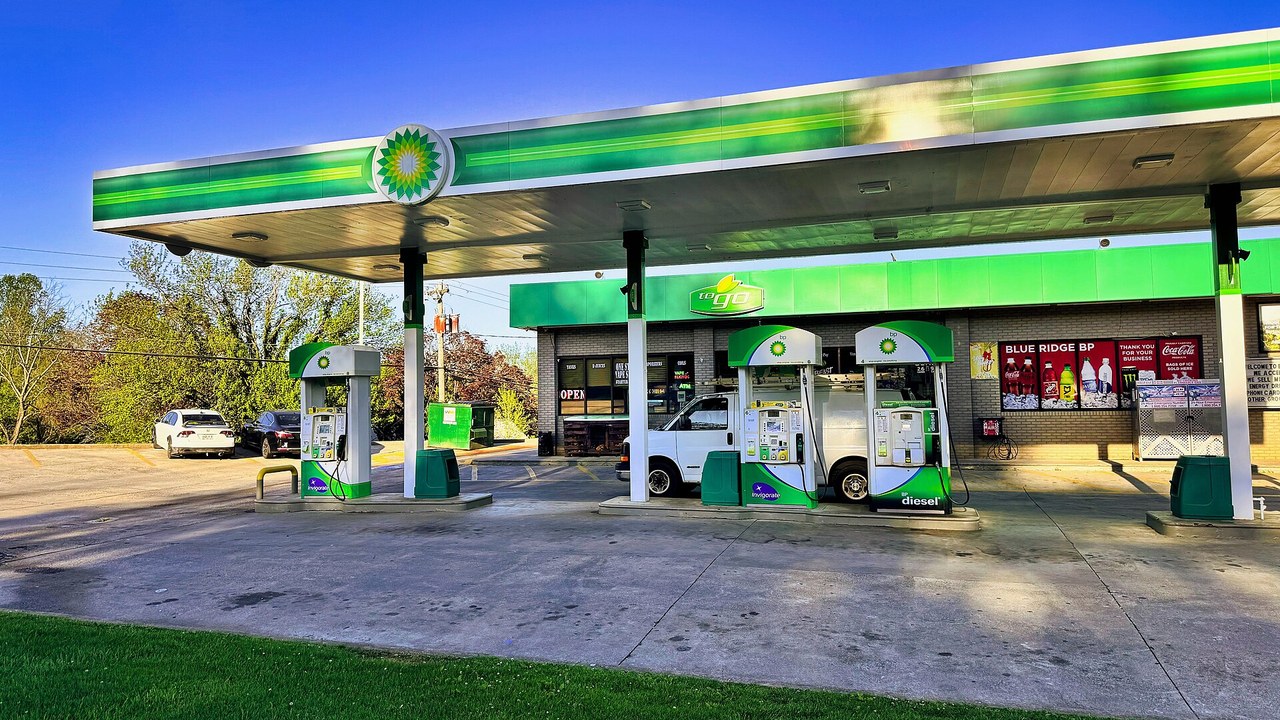
California gas stations can start selling winter-blend gasoline right away, a little over a month ahead of the usual Nov. 1 switch, under an action Gov. Gavin Newsom announced Sept. 28. His office paired the announcement with an estimated $428 hit per California household from fuel costs over seven months. The release does not say how much the change would trim a fill-up.
What the governor’s action does
According to the governor’s Sept. 28 release, Newsom suspended California’s summer-blend gasoline requirement for the remainder of the season. He also directed state agencies to allow winter-blend gasoline to be manufactured, imported, distributed and sold in California immediately, rather than waiting for the normal Nov. 1 transition date. Counting from Sept. 28 to Nov. 1, that moves the switch up by about a month.
The release presents the step as one meant to help lower prices. It does not give an estimate in cents per gallon, and no such figure is cited here. What the action changes is which fuel may legally be sold in the weeks before November, not the price posted at any particular station, which retailers and refiners still set.
What the $428 figure measures
The number comes from the governor’s own release, and it is his office’s estimate. The release says: “In just seven months, Trump’s Iran war has cost Americans more than $120 billion in extra fuel costs, $428 per California household.” In other words, $428 is the office’s estimate of extra fuel spending per California household over roughly seven months, attributed there to the war, and not the amount the winter-blend change would save.
Spread evenly, $428 over seven months is about $61 a month, which is simple division and not a figure from the release. The release does not show the method behind the $428, and the estimate has not been independently verified in this reporting. It is best read as the governor’s argument for why relief matters.
How the governor frames the price spike
The release, titled “Governor Newsom takes action to help lower prices amid Trump’s nationwide gas and diesel price spike,” lays the blame on Washington. In its words: “Trump’s war in Iran has driven up the price of oil around the world, and Californians have been paying the price every time they fill up.” It adds that “the Trump administration and Republicans in Congress have failed to protect working families from their nationwide gas and diesel price crisis.” Those are the governor’s characterizations, and this article attributes them to his office and does not adopt them.
The release also says the California Energy Commission will publish regular public spot-market reports for gasoline and diesel. Those reports are a monitoring step, and the release does not say they will change prices.
What federal price data show for the week of Sept. 21
The U.S. Energy Information Administration’s weekly gasoline and diesel update gives an independent picture. For the week of Sept. 21, California regular gasoline averaged $6.003 a gallon, up $0.176 from the week before and up $1.535 from a year earlier. The U.S. average was $4.478. The difference of $1.525 a gallon between California and the national average is the gap a California driver sees at the pump.
Subtracting the year-over-year rise from the current price implies that California regular sold for about $4.468 a gallon a year earlier. California diesel averaged $8.246, which matters for delivery trucks and, indirectly, for the price of groceries. These are weekly averages, and the EIA lists its next release for Sept. 29, so later readings may differ from those cited here.
What households can take from the announcement
For a household on a fixed income that drives a few hundred miles a month, the gap to the national average and the year-over-year rise are the numbers that shape the budget. A change in fuel formulation may move prices at the margin, but nothing in the release or the EIA table quantifies that, so a driver should treat the announcement as a policy step and not as a price cut. Whether pump prices ease in October depends on wholesale costs, the refiners’ supply and the weekly market, none of which the governor’s order controls directly.
The governor’s office lists the announcement on its newsroom page along with other state actions on prices. Later weekly EIA figures will show whether California pump prices move after the switch, and the state’s spot-market reports are meant to track the wholesale side.
The record so far
The record so far is short. The Sept. 28 release from Gov. Newsom’s office announces the immediate winter-blend allowance in place of the Nov. 1 date, cites a $428 per-household estimate over seven months and blames the national price spike on the Trump administration. The EIA’s Sept. 21 table shows California regular at $6.003 a gallon against a U.S. average of $4.478.
Home costs that add up on a fixed income
The kit is written for older homeowners and renters whose budgets are tight and whose home costs keep arriving, including property taxes, heating and cooling bills and repairs. The confusion it addresses is that the programs meant to lower those costs are scattered across different agencies and each one has to be applied for and renewed on its own timeline.
The Senior Property Tax & Home-Cost Relief Kit explains the 5 kinds of property-tax relief and the circuit-breaker credit that includes renters, along with heating, cooling and home-repair help, in an 11-page kit with an application log and renewal calendar.
Click here to get The Senior Property Tax & Home-Cost Relief Kit →
Drafted with AI assistance, this article was checked against the governor’s release and the EIA table it cites.


