
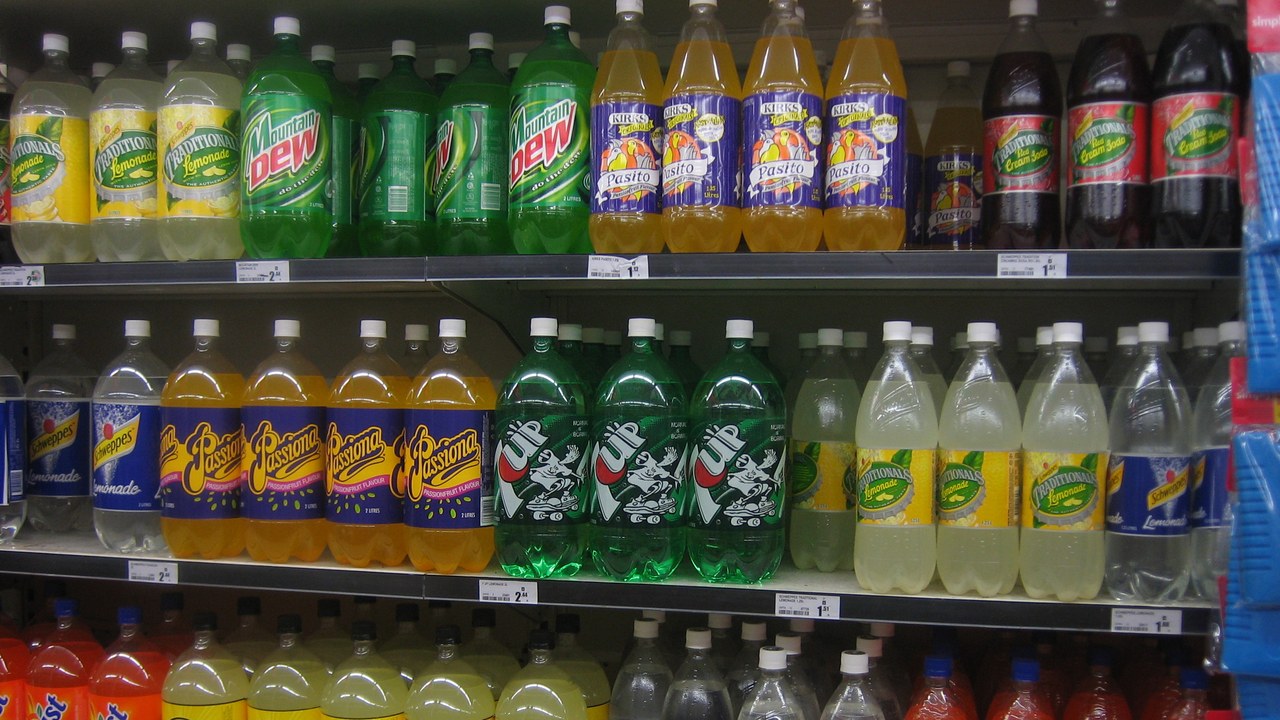
On an Arkansas grocery shelf, the percentage printed on a juice carton now matters to a SNAP card. The state’s food restriction waiver, in force since July 1, 2026, bars low-calorie and no-calorie soda along with fruit and vegetable drinks that contain less than 50% natural juice. Candy and other “unhealthy” drinks are on the list too.
The Arkansas list, item by item
The U.S. Department of Agriculture’s Arkansas waiver page lists the restricted items as soda, low and no-calorie soda, fruit and vegetable drinks with less than 50% natural juice, other unhealthy drinks and candy. The Arkansas governor’s office described the same package in a July 1 release, calling out “soft drinks, including low- and no-calorie sodas,” fruit and vegetable drinks under the 50% line, candy and other unhealthy beverages.
The inclusion of low- and no-calorie soda is the notable piece. A shopper who switches from a regular soda to a diet version to stay inside a budget or a diet plan finds the substitute barred as well. Sugar content is not what the Arkansas rule tests, at least for the soda category, where the state names low and no-calorie versions outright. The wording leaves no diet exception for a shopper to lean on.
Where a juice drink lands relative to the 50% line
The juice rule is written as a threshold. By the wording, a fruit or vegetable drink with less than 50% natural juice falls into the restricted group, and one at or above that share does not. Products marketed with fruit on the label can sit on either side of that line, and the percentage of juice, where a package states it, is the number that separates them.
The federal page does not list brand names for Arkansas. That contrasts with Florida, where the Department of Children and Families published brand examples such as Diet Coke on its recipient page. In Arkansas, the shopper works from the category descriptions, and the state’s retailer materials describe what changes on the shelf.
What the state told retailers
The Arkansas Department of Human Services keeps a retailer resources page for the nutrition waiver. It says items were changing effective July 1, 2026, and that the waiver excludes soda, low and no-calorie soda, and fruit and vegetable drinks with less than 50% juice. The page rendered only partially when read for this article, so the full retailer guidance is not summarized here.
Retailers matter because the restriction is enforced at the checkout. A purchase that includes a restricted drink is where the shopper and the rule meet, which is why the state addressed stores directly.
Dates and duration of the waiver
The USDA page records that the request was approved on June 10, 2025 and implemented on July 1, 2026, for two years from implementation. It also notes that a modification was approved on May 12, 2026, adjusting definitions. The department’s table of food restriction waivers shows Arkansas at July 1, 2026, with soda, fruit and vegetable drinks with less than 50% natural juice, energy drinks, unhealthy drinks and candy in scope.
Arkansas is not the only state on that table with beverage limits. Florida, Utah and others appear with their own start dates and drink definitions, and the list of items differs from state to state. For that reason, a rule described for Arkansas should not be assumed to apply in a neighboring state.
The timing places Arkansas among the earlier states to start. Florida’s start date on the same table is April 20, 2026, which is 72 days, or a little over ten weeks, before Arkansas began on July 1. Ohio and Virginia are listed at November 1, 2026, later than both.
The governor’s numbers and their limits
The governor’s release makes a national argument as well. It says soft drinks and candy account for 23% of all SNAP purchases, totaling $27 billion annually. That figure is the governor’s claim, as stated in the release, and the pages read for this article do not independently verify it. It describes the whole country’s SNAP spending, not Arkansas purchases alone.
For a household, the more concrete measure is the grocery bill. Anything on the barred list has to be paid for with other money, and a family that used SNAP for a weekly case of diet soda or a shelf of juice-flavored drinks with low juice content has to change what it puts in the cart or how it pays for it.
Where to confirm the current list
Because the state adjusted definitions in May 2026, the wording in force is the one on the USDA and Arkansas Department of Human Services pages, not older news coverage. Those two sources are the reference for whether a particular drink, or a particular percentage of juice, falls inside the restriction, and for any later change to the waiver during its two-year run.
Reading a SNAP rule that depends on a label
Arkansas ties SNAP eligibility for a drink to the fine print on its packaging, and the waiver’s definitions have already been adjusted once. That leaves a gap between the headline rule and what a particular item does at checkout.
The SNAP & Medicaid Renewal Organizer includes 51 state packs and a renewal document checklist for keeping state-specific SNAP details together with the renewal and reporting calendar.
Open the 51 state packs in The SNAP & Medicaid Renewal Organizer →
This article was prepared with AI assistance and checked against the cited USDA and Arkansas pages.


