
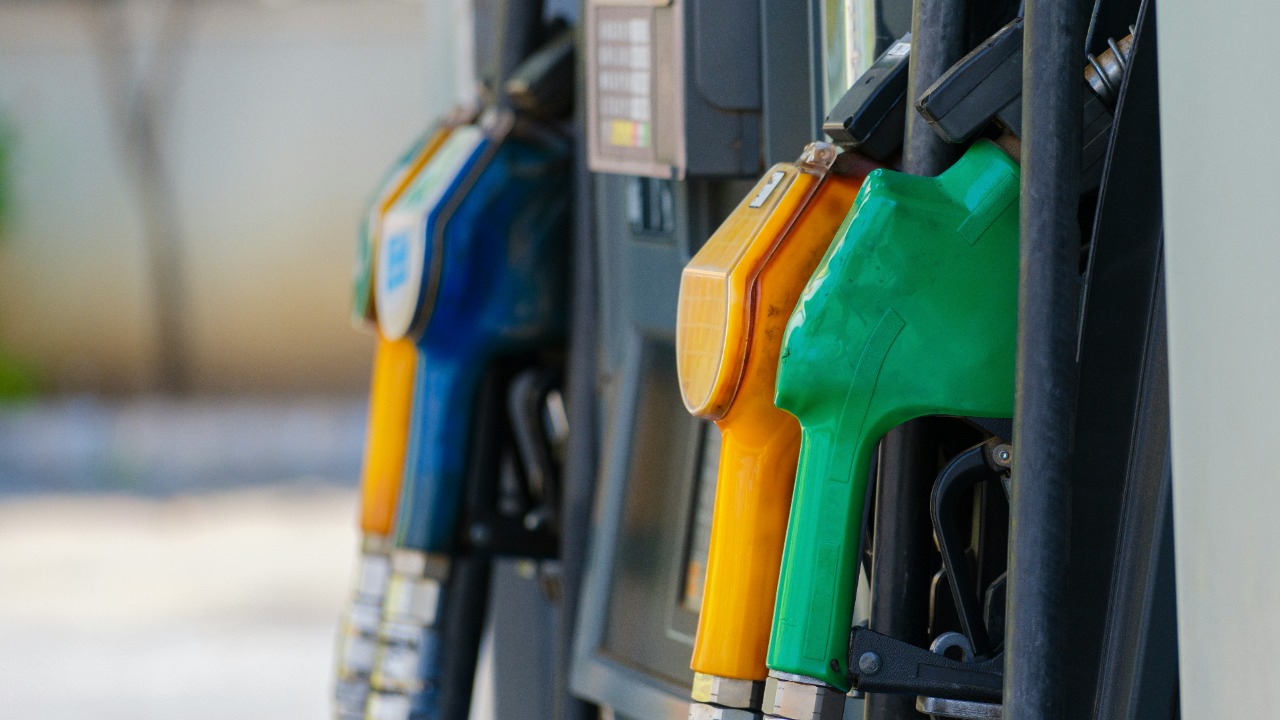
A single fuel line explains more than a third of last month’s rise in the overall cost of living. Gasoline prices climbed 27.4% over the past year and rose 3.9% in August alone, the U.S. Bureau of Labor Statistics (BLS) reported, enough on their own to account for over one third of that month’s total increase in consumer prices.
Two ways the kit targets rising costs Gasoline is only part of the squeeze, and The Senior Property Tax & Home-Cost Relief Kit separately covers the circuit-breaker credit for renters and heating, cooling and home-repair help. Look up the circuit-breaker credit for renters →
Inside the August Consumer Price Index
The Bureau of Labor Statistics releases the Consumer Price Index each month, tracking the average change in prices paid by urban consumers for a broad basket of goods and services, from groceries to rent to medical care. In the report covering August 2026, published September 11, the all-items index rose 3.4% over the previous 12 months and 0.4% for the month, up from just 0.1% in July. Gasoline stood out inside that basket, up 27.4% from a year earlier and 3.9% in August alone, according to the BLS release covering that period. Core prices, which exclude food and energy, rose a comparatively modest 2.4% over the year, underscoring how much of August’s overall increase traced back to a single volatile category rather than a broad-based rise in the cost of everyday goods and services. Energy overall, which includes gasoline, electricity and natural gas, rose 16.3% over the same 12 months, more than four times the pace of the headline number, which is itself a sign of how lopsided the inflation report was in August.
Gasoline’s Outsized Share
The Consumer Price Index is built from thousands of individual prices weighted by how much of a typical household budget each category represents, and gasoline’s weight is large enough that one month’s swing there can move the entire index. BLS said the August gasoline increase alone accounted for over one third of that month’s total rise in the all-items index, more than any other single category tracked in the report. Airline fares, up 23.4% over the year, and utility natural gas and electricity, up 4.4% and 3.8%, also contributed to the August increase, but neither carried anywhere near the same weight as the price at the pump.
What Showed Up at the Pump
AAA’s own daily survey, a separate measure taken directly at filling stations rather than folded into the CPI market basket, found the national average for regular gasoline at $4.4798 a gallon on September 27, up from $3.1375 a year earlier. The two measures are calculated differently and will not match exactly, since CPI gasoline tracks a weighted basket of grades and regions while AAA reports a simple daily average, but both point to the same underlying story: a household filling up regularly is paying substantially more for gasoline than it was a year ago, and that increase is now visible in the government’s broader measure of inflation. A driver buying 15 gallons a week is looking at roughly $20 more a week than a year ago just on gasoline, based on AAA’s own year-over-year numbers, a gap that shows up whether or not that driver ever looks at a federal inflation report.
A Household Budget Under Pressure
For a family with two cars, the effect of a 27.4% gasoline increase is not abstract. Filling a 15-gallon tank twice a week at today’s national average of $4.4798 costs roughly $134 over four weeks, compared with about $94 a year ago at $3.1375 a gallon, a difference of about $40 a month from gasoline alone. Multiply that across two vehicles and the added cost approaches $80 a month, money that has to come from somewhere else in a household budget that also includes rent or a mortgage, groceries that are up 2.2% at home and 3.4% when eating out, and a shelter index that BLS put 3.0% higher than a year ago. None of those other categories moved anywhere near as fast as gasoline did, which is why a single line at the pump can distort a household’s whole sense of how fast prices are rising even when most of the rest of the budget looks fairly steady month to month.
What Comes Next
BLS is scheduled to publish its next Consumer Price Index report, covering September 2026, on October 14 at 8:30 a.m. Eastern time. Whether gasoline keeps contributing an outsized share of that month’s increase depends largely on where pump prices sit between now and then, given how much of August’s overall inflation figure traced back to a single volatile category rather than a broad rise spread across the whole basket of goods and services BLS tracks. A cooling-off in gasoline prices could pull the headline inflation number down even if every other category stays flat, while another jump at the pump would likely push the opposite way, since no other single category in the report carries nearly the same weight when it swings sharply in either direction.
Where the Squeeze Shows Up Next
The BLS report measures prices nationally, not what a single household is doing about a monthly budget that includes a bigger gasoline line and, for many, a rising property-tax bill or utility statement. Coordinating property-tax relief, utility help and home-repair support usually falls entirely on the household, with no single office tracking it on anyone’s behalf.
The Senior Property Tax & Home-Cost Relief Kit lays out the circuit-breaker credit that includes renters and the heating, cooling and home-repair help in one place, organized alongside an application log and renewal calendar.
Look up the circuit-breaker credit inside The Senior Property Tax & Home-Cost Relief Kit.
This article was produced with AI assistance and reviewed by a human editor for accuracy.


