
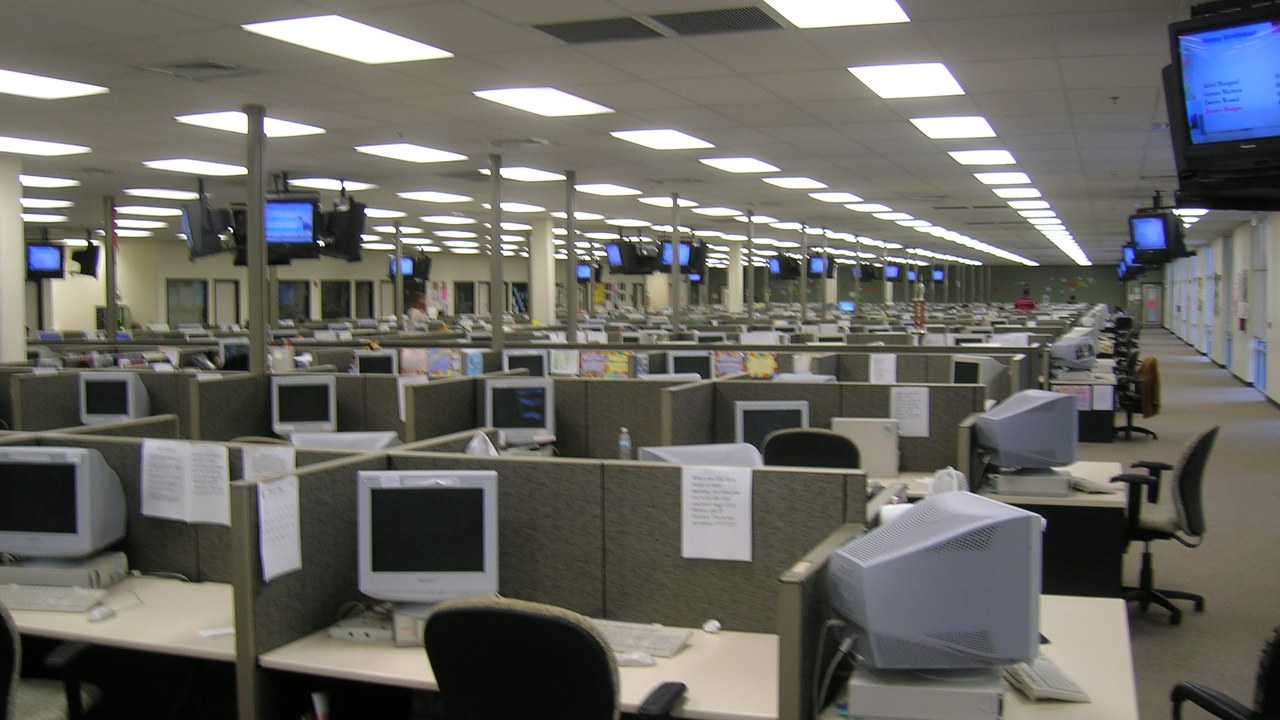
The IRS’s toll-free line for paper-check questions rang nearly 352,000 times in the months after a new round of notices went out, according to a watchdog report. The Treasury Inspector General for Tax Administration tracked the calls through March 28, 2026, as the agency moved to end most paper tax refund checks under a federal push toward electronic payments. The volume shows how many taxpayers were caught off guard by a notice most had never seen before.
Inside the kit: The IRS Refund Recovery Kit includes a notice decoder and the refund-trace steps built around Form 3911, both aimed at a stalled or confusing refund notice. Read the notice decoder that matches this CP53E letter →
The CP53E Notice Behind the Calls
The calls trace back to a specific notice, CP53E, which the IRS mailed to taxpayers whose refunds had gone out by paper check as the agency began phasing out that option under a 2025 federal directive requiring electronic payments. Nearly 352,000 people called the dedicated toll-free line about the notice by March 28, 2026, according to a snapshot report the Treasury Inspector General for Tax Administration published September 14. The report, titled “Snapshot Report: The IRS’s Paperless Transition Efforts as of July 2026,” was signed by Nancy A. LaManna, TIGTA’s Deputy Inspector General for Inspections and Evaluations, with questions on the audit directed to Frank O’Connor, TIGTA’s Director of Inspections and Evaluations.
Why the Line Lit Up
TIGTA’s report points to confusion over how to comply rather than resistance to the change itself. Many taxpayers who received the CP53E notice ran into trouble verifying their identity through an Individual Online Account, the step the IRS asks people to take before setting up direct deposit or requesting an exception. Some went to IRS taxpayer assistance centers in person instead of calling, and a QR code printed on the notice triggered its own wave of wary calls, since QR codes are a common tool in tax-related phishing schemes. TIGTA’s snapshot does not break the roughly 352,000 calls down by reason, but the volume itself suggests the notice reached far more people than the agency had built capacity to walk through individually.
A Broader Push Away From Paper
The paperless transition did not start with the IRS. Executive Order 14247, which took effect for other federal benefit payments on September 30, 2025, directs agencies to move away from paper checks because they go wrong far more often: the Social Security Administration says a paper check is 16 times more likely to be lost, stolen, altered or returned undeliverable than an electronic payment, and now costs $3.07 to print. The IRS is applying the same logic to tax refunds, phasing out paper checks for most filers while building an exception process for people who cannot easily receive money electronically, including some taxpayers in remote areas or without a bank account.
Checking a Refund Without Picking Up the Phone
The IRS has also been building tools meant to head off exactly the kind of call volume TIGTA documented. The agency’s new mobile app, launched September 25 and replacing the older IRS2Go app, lets taxpayers check a refund’s status, view notices and access an Identity Protection PIN without calling in. IRS Commissioner Frank J. Bisignano said the app “puts more services at taxpayers’ fingertips.” Whether tools like it reduce the volume behind notices such as CP53E will not be clear until TIGTA or the IRS publishes an updated count, since the September snapshot report only covers activity through July 2026 and does not track call volume after the app’s late-September launch.
The Exceptions Already in Place
Not every taxpayer who called ended up switching to direct deposit. TIGTA’s same report found the IRS had granted 300,537 exceptions allowing people to keep receiving a paper check, as of March 30, 2026, with the large majority processed automatically using existing IRS records for groups such as incarcerated or international taxpayers rather than through the phone line. The exceptions and the call volume describe two sides of the same rollout: a notice that reached more people than the agency could walk through individually by phone, and a process built to catch the taxpayers for whom an electronic payment genuinely does not work.
Who Called and Why It Mattered
TIGTA’s report ties the exception process to specific circumstances rather than a blanket opt-out: people with religious objections to electronic banking, including Amish and Mennonite taxpayers, people who are incarcerated, taxpayers living overseas, people with disabilities that make online verification difficult, and people with limited access to technology or a bank branch. A taxpayer who does not fit one of those categories and cannot complete the online verification is left in the position that produced most of the 352,000 calls: unsure whether the refund is coming by mail or by deposit, and unable to resolve that uncertainty online. TIGTA’s snapshot report frames the call volume and the exception count together as an early read on a rollout the IRS is still working through, not a finished picture, since the agency’s transition to electronic refunds continues past the report’s July 2026 cutoff.
The CP53E Notice and What Comes After It
The CP53E notice that generated nearly 352,000 calls tells a taxpayer a refund is moving to direct deposit. It does not walk through what happens if that deposit fails, if identity verification raises a question, or if a refund stalls for an unrelated reason afterward.
The IRS Refund Recovery Kit walks through a notice decoder alongside the refund-trace steps built around Form 3911, covering the notices and refund problems that can follow the initial switch.
See how a notice like CP53E fits inside The IRS Refund Recovery Kit.
This article was drafted with AI assistance and reviewed by a human editor before publication.


