
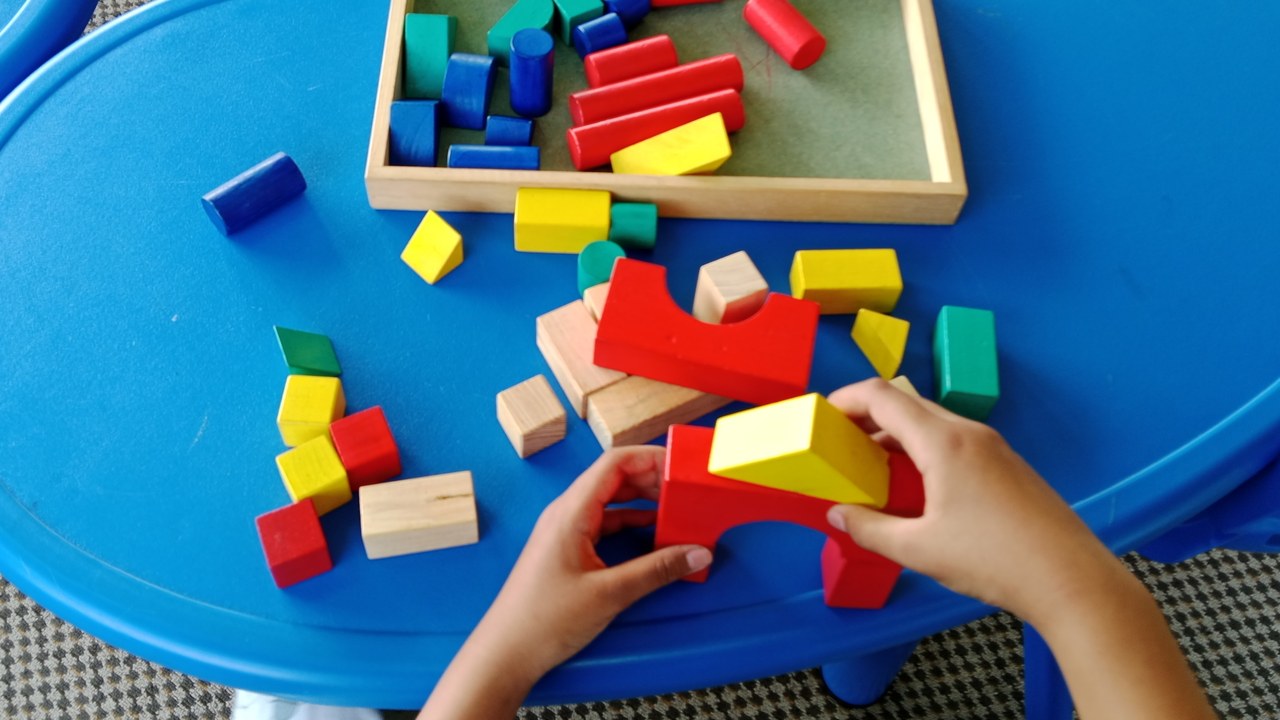
A trade framework taking shape between the United States and China could ease tariffs on some of the items families buy most around the holidays. A White House fact sheet released Sept. 25 says the two countries reached consensus on recommendations for more favorable tariff treatment covering $30 billion of goods moving in each direction, naming small appliances, toys, holiday decorations and children’s car seats among the U.S. imports that could benefit. The fact sheet does not include a tariff rate or an effective date for any of it.
Inside the kit: It covers heating, cooling and home-repair help along with an application log and renewal calendar, costs that don’t wait on a tariff recommendation to arrive, all part of The Senior Property Tax & Home-Cost Relief Kit. Plan home-repair help while China tariff relief stays unsettled →
What the White House Fact Sheet Actually Says
The White House fact sheet, published the same week President Donald Trump hosted a state visit tied to U.S.-China relations, describes the tariff item as “consensus on recommendations for more favorable tariff treatment” on $30 billion of non-sensitive goods in each direction. That phrasing describes an agreement to keep working toward a change, not a change that has taken effect. A recommendation still has to move through further steps, typically including a formal notice and an implementation order from the relevant U.S. trade agency, before any importer or retailer would see a different tariff bill on these goods. The fact sheet frames the tariff item as one outcome among several from the same state visit, rather than a standalone trade action announced on its own.
The Consumer Categories Named in the Deal
Among the U.S. imports the fact sheet lists as covered by the recommendation are small appliances, toys, holiday decorations and children’s car seats, the last of which is also subject to separate federal safety standards enforced by the Consumer Product Safety Commission, regardless of what happens with its tariff treatment. Those four categories cover a wide range of consumer spending, from small kitchen gadgets to the seasonal decorations many households buy new each year, and all four are commonly imported from China, which is part of why they were specifically named as candidates for relief rather than left inside a broader, unnamed goods list.
Why $30 Billion, and What ‘Each Direction’ Means
The $30 billion figure applies separately to goods moving each way between the two countries, meaning $30 billion of Chinese imports into the United States and a separate $30 billion of U.S. exports to China, rather than $30 billion total trade covered. Tariffs imposed on Chinese goods entering the United States trace back to Section 301 authority, the same legal tool the U.S. has used since 2018 to raise tariffs on a range of Chinese imports; the Office of the U.S. Trade Representative maintains the formal record of which tariff actions have applied to which products under that authority. Any recommendation to ease tariffs on toys, decorations or car seats would have to work back through that same structure to actually change what an importer pays.
No Rate, No Date: What Is Still Unknown
The fact sheet does not name a tariff rate, a percentage reduction, or a date on which any change would begin, which is why every part of this story has to be described as something that could happen rather than something that has happened. A “consensus on recommendations” is a step before a formal decision, and trade agreements at this stage have, in the past, taken additional weeks or months to translate into an actual change at the border, if they translate into one at all. Retailers stocking toys and holiday decorations for the coming season have no confirmed tariff number to build pricing around yet, and neither does anyone shopping for a car seat before a rate or date is set.
Other Pieces of the Same Agreement
The tariff-relief recommendation was one part of a broader set of outcomes from the same state visit, which the fact sheet also ties to Chinese commitments on coal purchases and cooperation on fentanyl precursor chemicals. None of those other elements change the tariff picture for toys, holiday decorations, children’s car seats or small appliances, which remain a separate line item within the same announcement, still described only as a recommendation.
What Holiday Shoppers Should Watch For Next
Because no rate or date has been set, there is nothing for a shopper to act on yet from this specific announcement. The next concrete step to watch for would be a formal notice from the U.S. Trade Representative’s office or another implementing agency spelling out an actual tariff rate and an effective date, which is the point at which “could get tariff relief” would turn into a confirmed price change for any of the four named categories. Retailers typically need weeks of lead time to adjust shelf prices once a tariff rate is finalized, so even a fast follow-up announcement would likely arrive too late to change price tags before the peak holiday shopping weeks in November and December.
A Tariff Recommendation That Leaves the Rest of the Bill Untouched
Even if toy and car-seat tariffs eventually ease, that would do nothing about a property-tax bill, a heating bill or a home repair that needs attention this season, expenses that follow their own filing calendar no matter what happens in trade talks.
The Senior Property Tax & Home-Cost Relief Kit lays out heating, cooling and home-repair help and the 5 kinds of property-tax relief, keeping those separate costs on a household’s radar.
Read the home-repair help section in The Senior Property Tax & Home-Cost Relief Kit.
This article was produced with AI assistance and reviewed by a human editor, who confirmed the deal’s terms against the White House’s own fact sheet.


