
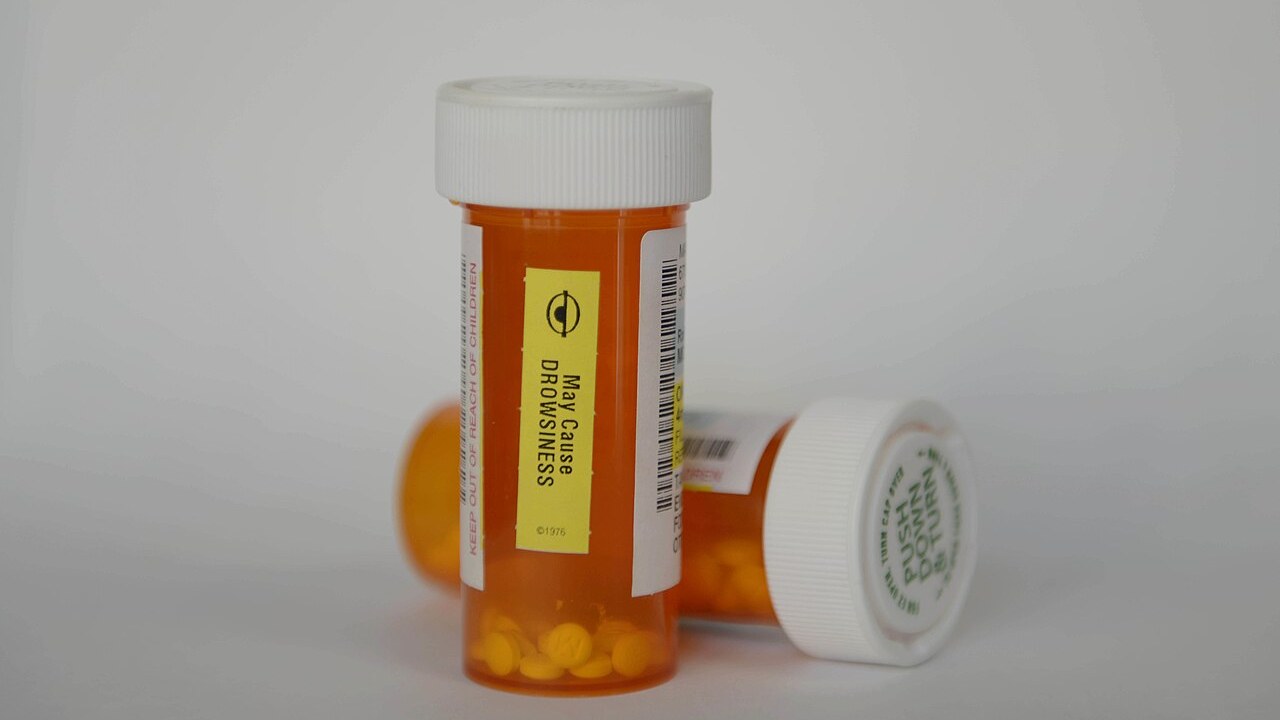
The White House says a new Medicaid drug-pricing arrangement covering all 50 state programs will save the federal government $36.6 billion over the next decade, according to a fact sheet the administration published September 18, 2026. The savings come from a rebate program built around Most Favored Nation pricing, in which participating drug manufacturers agree to prices tied to what other wealthy countries pay. The $36.6 billion figure is the administration’s own estimate, not an outside audit of the program.
What the Medicaid deal doesn’t touch: The rebate applies to what state Medicaid programs pay drugmakers, not a Medicare enrollee’s own drug bill, which The Medicare Cost & Coverage Protection Kit addresses through the new Part D out-of-pocket cap. Track drug costs against the new Part D cap →
How the GENEROUS Medicaid Model’s Rebates Work
According to the White House’s own fact sheet, published September 18, 2026, the arrangement runs through what the administration calls the GENEROUS Medicaid Payment Model. Participating pharmaceutical manufacturers agree to provide state Medicaid programs with rebates on expensive brand-name drugs, structured so the final price a state pays doesn’t exceed the lowest price the same manufacturer charges in other wealthy countries, the Most Favored Nation standard. The fact sheet states the arrangement now covers all 50 state Medicaid programs, expanding a model that began with a smaller group of participants. The rebate mechanism is designed to run largely on its own once a state signs on: manufacturers calculate the qualifying international price, states invoice for the difference, and CMS monitors the accuracy of those rebate calculations rather than negotiating each price directly.
Where the $36.6 Billion Figure Comes From
The White House fact sheet credits the expanded rebate deal with $36.6 billion in savings to the federal government over the next decade, and frames it as part of a larger $600 billion savings claim across every Most Favored Nation pricing initiative the administration has pursued, not this program alone. The Centers for Medicare & Medicaid Services’ own September 18 release on the same milestone cites a separate estimate, $64.3 billion in taxpayer savings over ten years, for the program as a whole; the two figures describe different scopes rather than contradicting each other, and neither is an estimate from an outside, independent scorekeeper.
The Program’s Origin, and Who’s Running It
The rebate model was first announced under the name GENErating cost Reductions fOr U.S., or GENEROUS, in a Department of Health and Human Services release from November 6, 2025, which quoted HHS Secretary Robert F. Kennedy Jr. and CMS Administrator Dr. Mehmet Oz describing the goal of lowering drug costs for Medicaid enrollees. That original announcement came roughly ten months before the September 2026 milestone of covering all 50 states, and it cited Medicaid’s own prescription drug spending, which topped $100 billion in 2024 before existing rebates, as the scale of the problem the model was built to address.
Which States Have Actually Signed On
Covering all 50 states on paper is not the same as every state operating under the new rebate terms today. CMS’s September 18 release states that all 50 states plus Washington, D.C. and Puerto Rico applied to the model, and that 40 states and Puerto Rico had signed formal participation agreements by that date, with a September 30, 2026 deadline for the remaining states to finalize theirs. A state that hasn’t yet signed isn’t yet operating under the new rebate structure, even though the White House fact sheet describes the model as covering all 50 programs. States that miss the deadline forgo the added federal rebate share for that period, though they aren’t required to join the model to keep running their existing Medicaid drug benefit.
What the Rebate Deal Doesn’t Set
The arrangement changes what a state Medicaid program pays a drug manufacturer; it does not set a retail price, does not apply to Medicare Part D or Medicare Advantage drug plans, and does not create a fixed list of new, lower prices an individual could look up for a specific prescription. A Medicaid enrollee’s own experience at the pharmacy depends on their state’s formulary and how quickly that state’s signed agreement translates into lower costs at the point of dispensing, a process the fact sheet does not spell out in detail.
How This Differs From Medicare’s Own Drug-Price Negotiations
Medicare’s separate drug-price negotiation program, created under different legislation, sets negotiated prices directly for a specific list of high-cost drugs covered under Medicare Part D, updated on its own annual schedule. The Medicaid rebate deal described in the White House’s fact sheet is a different program, run through Medicaid rather than Medicare, using a rebate-after-purchase structure rather than a negotiated list price set in advance. Confusing the two has become common since both involve international price comparisons, but a Medicare beneficiary’s own Part D costs are governed by the separate negotiation program and by the plan-specific formulary they’re enrolled in, not by the Medicaid arrangement the White House highlighted on September 18.
The White House’s own fact sheet remains the primary source for the $36.6 billion figure, and CMS’s participation numbers are the clearest public record of how many states have actually signed on to the arrangement it describes.
A Decade-Long Estimate, Not a Lower Pharmacy Bill
A ten-year federal savings projection doesn’t describe what a specific prescription costs at the pharmacy counter this year, and the gap between a state Medicaid rebate and an individual Medicare enrollee’s own drug spending is exactly where confusion about lower prices tends to land.
The Medicare Cost & Coverage Protection Kit covers the new Part D out-of-pocket cap, the prior-authorization appeal steps, and a medication and cost tracker for following what a plan actually charges.
Compare a current drug bill against the new cap, with The Medicare Cost & Coverage Protection Kit.
This article was produced with AI assistance and reviewed by a human editor. The savings figures above are attributed to the officials and agencies that published them, not verified independently.


