
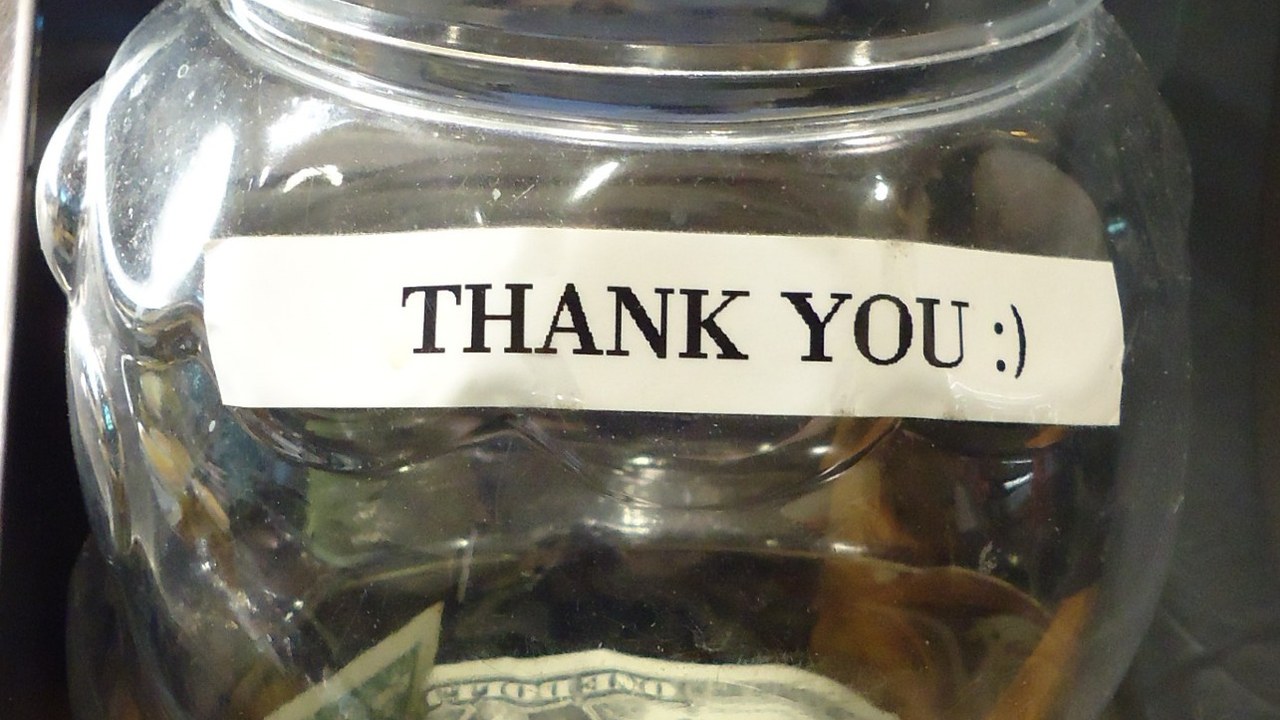
Colorado’s tipped workers will see their guaranteed base wage climb to $12.69 an hour starting January 1, 2027, under the annual adjustment the state’s labor department just announced. The increase moves in step with a larger statewide minimum-wage change that touches every hourly worker in Colorado, not only those who earn tips. For servers, bartenders and other tipped employees, the new rate sets the floor an employer must pay before any tips are counted toward the state’s minimum.
Colorado’s 2027 Minimum-Wage Adjustment
The Colorado Department of Labor and Employment announced in a press release that the state’s standard minimum wage will rise to $15.71 an hour in 2027, a 3.6% increase from the current $15.16. The department ties the increase to the Consumer Price Index for All Urban Consumers, adjusting the wage each year based on how that index has moved rather than through a new act of the legislature. The tipped minimum wage moves on the same schedule, since Colorado defines it as an offset from the standard rate rather than a separate figure the state sets on its own timeline.
A wage that moves every January, and a paycheck that doesn’t always follow: Colorado’s tipped rate rises on a fixed annual schedule, but a tipped worker’s actual take-home pay still depends on tip income an employer doesn’t control and a bank account that has to absorb the gap between slow and busy weeks. See the 2-month bank protection rule in The Bank Account & Debt Protection Kit.
How Colorado’s Tip Credit Sets the $12.69 Floor
Colorado law lets an employer pay a tipped employee a lower cash wage than the standard minimum, as long as tips make up the difference, a mechanism the state’s own explainer on tipped employees describes as a fixed dollar gap between the cash wage and the full minimum wage rather than a separate percentage. If an employee’s tips combined with that cash wage fall short of the standard minimum in a given workweek, the state says the employer must make up the difference. Colorado’s gap has held at $3.02 across recent rate changes, which is exactly the distance between this year’s $12.14 tipped rate and $15.16 standard rate, and again between the 2027 figures of $12.69 and $15.71.
How Colorado’s Rate Compares With the Federal Floor
Colorado’s tipped minimum wage sits far above the federal tipped minimum, which has not moved in years. The U.S. Department of Labor’s fact sheet on tipped employees sets the federal cash wage at $2.13 an hour against a $7.25 federal minimum wage, a tip credit of $5.12 an hour, more than $1,000 a year wider than Colorado’s $3.02 gap for a full-time schedule. The federal rule works the same way Colorado’s does: if tips plus the cash wage don’t reach the federal minimum in a workweek, the employer owes the difference. Colorado, like a number of other states, chose to set its own higher wage floor and its own narrower tip credit rather than rely on the federal figures, which is why a tipped worker’s guaranteed pay in Colorado looks very different from the federal minimum most often cited in national news coverage. An employer operating in Colorado has to comply with whichever floor, state or federal, is higher for a given employee, and in practice that means the state’s own $3.02 gap governs almost every tipped job in Colorado rather than the wider federal allowance.
Cities Like Denver Can Set an Even Higher Floor
The $12.69 tipped rate and $15.71 standard rate are statewide minimums, not a ceiling. Colorado law allows local governments to adopt their own minimum wage above the state’s, and several, including Denver, do. The same CDLE release lists Denver’s 2027 minimum wage at $19.84 an hour, more than $4 above the statewide standard rate, which means a tipped worker’s cash-wage floor in Denver is calculated from that higher local number rather than the $15.71 figure that applies in most of the rest of the state. A tipped employee’s actual guaranteed rate therefore depends on which city or county they work in as much as on the statewide figures announced together each August, and switching jobs across a city line can change that guaranteed floor even when the job itself pays the same in tips.
What the Increase Means for a Tipped Paycheck
For a tipped employee working a standard schedule, the move from $12.14 to $12.69 adds 55 cents an hour to the guaranteed base wage before tips are counted, or a little over $22 for a 40-hour week, before any tip income at all. Because Colorado’s overall minimum wage is also rising to $15.71, an employer’s total obligation, cash wage plus tips, still has to reach that higher figure regardless of how the pay is split between the two. A tipped worker whose tip income already exceeds the $3.02 gap in a busy week may not notice the base-wage change directly, but the employer’s obligation to top up pay when tips fall short rises along with the standard rate either way, and that obligation resets every workweek rather than averaging out over a month. Employers are required to track hours, cash wages and reported tips closely enough to show, if asked, that the combined total met the minimum in every single week, not just on average across a pay period.
A Rising Tipped Wage and the Income Swings Around It
A higher guaranteed base wage helps on paper, but tipped income still moves week to week in a way a flat salary doesn’t, and that swing is exactly what makes overdraft fees and short-term borrowing common in tip-dependent jobs. A guaranteed floor is not the same as a stable paycheck.
The Bank Account & Debt Protection Kit lays out the 2-month bank protection rule and steps for stopping overdraft fees, both aimed at income that varies from one pay period to the next.
See the protected-funds and dispute log in The Bank Account & Debt Protection Kit.
This article was produced with AI assistance and reviewed by a human editor. The wage figures above are linked to the state and federal labor agencies that set them.


