
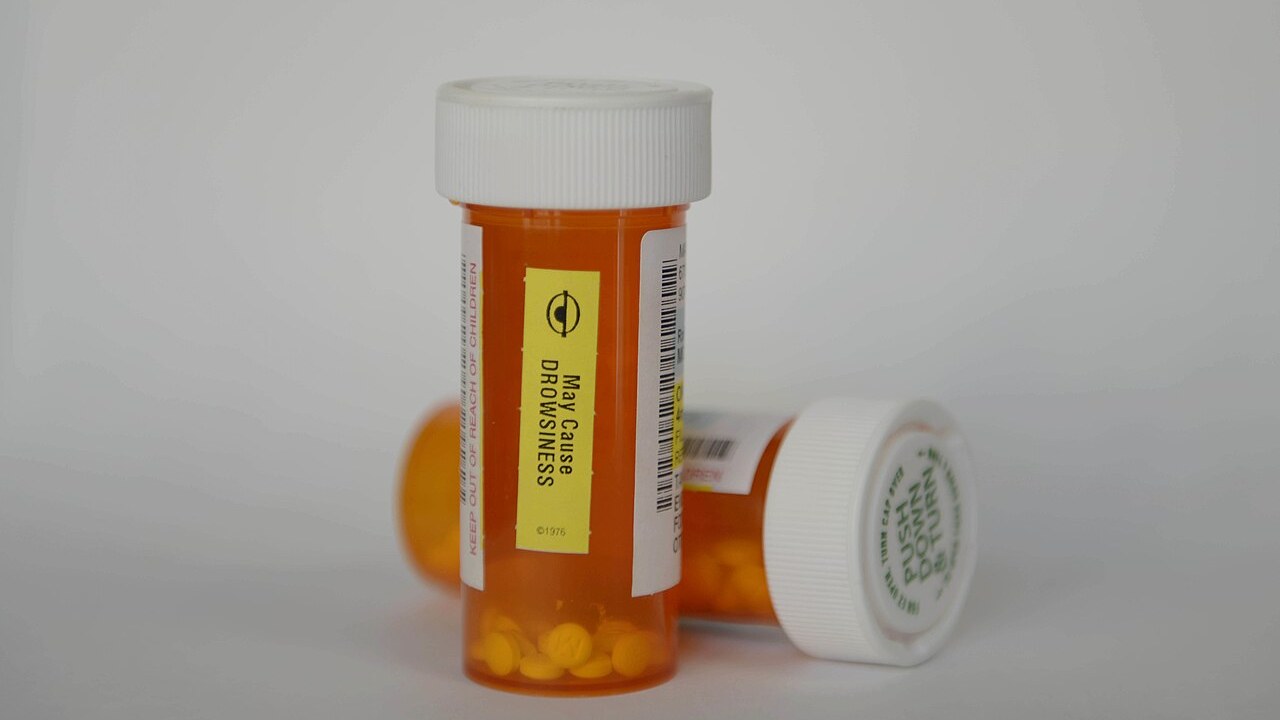
Few conditions land a patient in a pharmacy line for a drug that costs more than a used car every month. Hepatic encephalopathy, a buildup of toxins in the blood tied to advanced liver disease, is one of them, and the antibiotic most often prescribed to control it, Xifaxan, has carried one of the steepest price tags among the drugs Medicare now negotiates directly. Starting January 1, that price drops from $2,696 to $1,000, a 63% reduction set through the federal government’s second round of Medicare drug price negotiations.
From $2,696 to $1,000: The Size of the Cut
CMS’s own fact sheet on negotiated prices for 2027 lists Xifaxan’s list price at $2,696 and its new maximum fair price at $1,000, a reduction the agency records as 63%. That places Xifaxan in the middle of the 15-drug list this cycle covers, well above the smallest cuts and short of the largest ones, but still a reduction of more than $1,600 on a single month’s supply. The new price applies starting January 1, 2027, the same date every other drug negotiated in this round changes price. Xifaxan’s 63% reduction sits close to the middle of the pack in a cycle where the 15 negotiated cuts range widely, from under 40% on the smallest reduction to over 80% on the largest, and CMS’s fact sheet lists every drug’s list price, new price and percentage change side by side rather than singling any one drug out for special explanation.
Where the fine print sits: A federal fact sheet lists a new negotiated price without describing what a specific Part D plan will actually charge at the counter once that price applies, and that detail sits in plan paperwork most people never read until a pharmacy bill surprises them. The Medicare Cost & Coverage Protection Kit.
Why Xifaxan Costs So Much in the First Place
Xifaxan’s high price is tied to what it treats. CMS’s companion selected-drug-list fact sheet names hepatic encephalopathy and irritable bowel syndrome with diarrhea, known as IBS-D, as the drug’s two Medicare-relevant uses, and records about $1.13 billion in Part D spending on it against roughly 104,000 beneficiaries taking it. Divide that spending across that many people and the per-patient cost is far higher than a typical prescription, which is exactly the kind of concentrated, expensive drug the negotiation program targets: not the cheapest prescriptions filled by millions of people, but drugs whose comparatively small patient population still drives an outsized share of total Part D spending. Roughly 104,000 people is a small fraction of the 53 million people enrolled in Medicare Part D overall, which is part of why a drug like Xifaxan can carry a price this steep for this long without becoming a widely discussed national story the way a common blood-pressure or cholesterol medication would if it cost anywhere near as much.
The Same Statutory Process Behind a Very Different Drug
Xifaxan reached the negotiating table through the identical legal mechanism that produced Tradjenta’s and Vraylar’s new prices in the same cycle. CMS’s program overview page ties that authority to the Inflation Reduction Act, and confirms that the maximum fair prices set for this second cycle of 15 Part D drugs all take effect January 1, 2027. The process treats a liver-disease antibiotic no differently from a diabetes pill or a psychiatric drug once it is selected: CMS reviews spending and enrollment data, negotiates a ceiling price with the manufacturer, and applies the same effective date across the entire list rather than staggering individual drugs. This is only the program’s second cycle; a first round of negotiated prices, covering a different set of drugs, already took effect in 2026, and CMS’s own materials describe a third cycle, whose prices begin in 2028, as already moving through the same review process even before the 2027 prices took final form.
What the Lower Price Changes and What It Doesn’t
The negotiated price sets what Medicare and a plan can be charged for Xifaxan; it does not rewrite a plan’s own formulary tier or its cost-sharing formula, both of which still determine what a specific patient pays out of pocket. A person already taking Xifaxan for hepatic encephalopathy in December keeps paying under the current pricing until January 1, when the new maximum fair price takes over automatically, without any paperwork or plan change required on the patient’s end. Because hepatic encephalopathy is a recurring risk for someone with advanced liver disease rather than a condition that resolves after one course of treatment, many patients on Xifaxan refill it on an ongoing basis, which means the lower price recurs with each fill rather than applying just once. The $1,696 difference between the old and new price, multiplied across a year of refills for someone taking the drug continuously, is a far larger figure than the single-month comparison in the fact sheet suggests, though the exact annual effect for any one patient still depends on dosing, plan formulary rules and how many months of the year the prescription is actually filled. None of that annual math changes the underlying fact CMS’s fact sheet states plainly: the price ceiling itself falls on January 1, 2027, for every plan and every patient nationwide at the same time, regardless of where a person lives or which insurer administers the Part D plan.
A Cheaper Xifaxan and the Costs That Sit Beside It
A single drug’s price falling by 63% does not touch the separate hospital and specialist costs that often accompany advanced liver disease, and a person managing hepatic encephalopathy is rarely dealing with Xifaxan’s price alone. The same Medicare system that just lowered this one drug’s price still runs prior-authorization rules and appeal deadlines that apply to plenty of other prescriptions on the same patient’s list, and a lower price on Xifaxan changes nothing about how those separate rules work.
The Medicare Cost & Coverage Protection Kit lays out the prior-authorization appeal steps alongside a medication and cost tracker built for exactly this kind of multi-drug situation.
Open the appeal steps in The Medicare Cost & Coverage Protection Kit.
This article was produced with AI assistance and reviewed by a human editor, sourced to CMS’s own negotiated-price and selected-drug fact sheets.


