
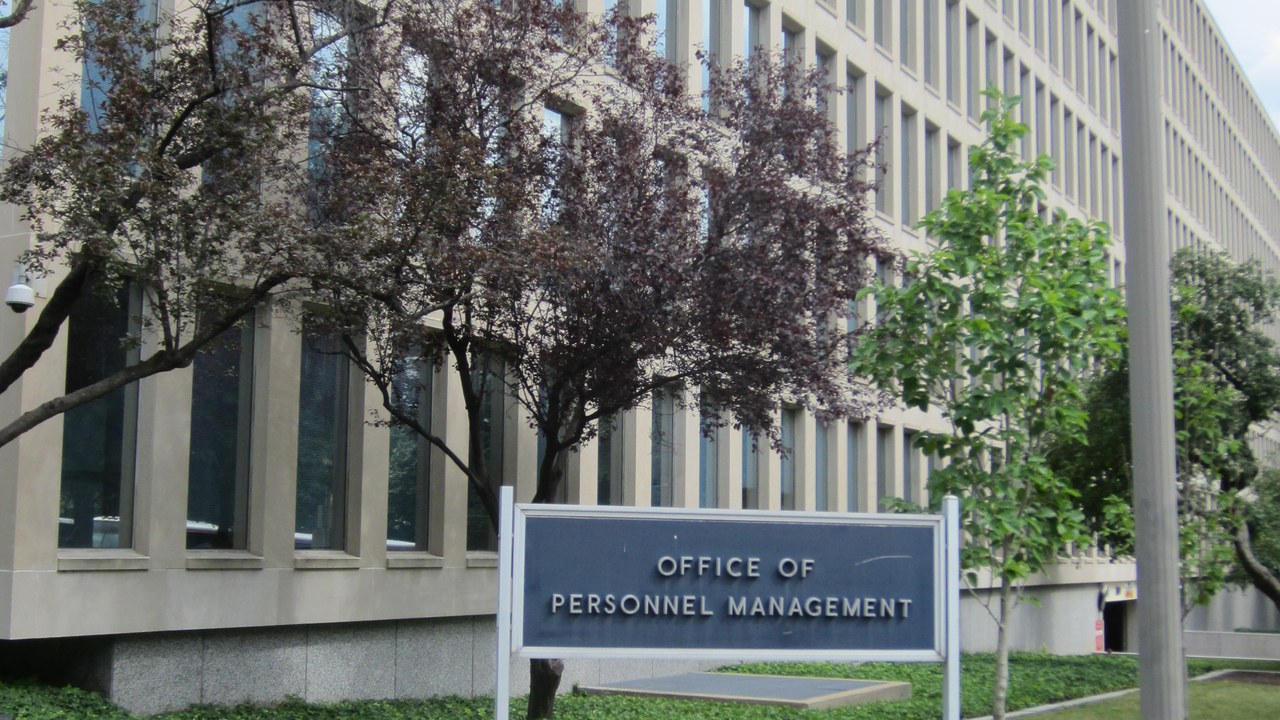
Two competing plans for federal civilian pay in 2027 are moving through Washington at the same time, and only one of them can take effect without a new law passing. A pay freeze proposed by President Trump is on track to become the default rate for most civilian federal employees, while a Democratic bill promising a larger raise sits without a vote in either chamber of Congress. The gap between the two plans, and the mechanism that lets one of them happen automatically, matters to any household budgeting around a federal paycheck next year.
Trump’s Pay Freeze Letter to Congress
In a letter to Congress reported by Federal News Network, President Trump wrote: “I have determined that for 2027, base pay and locality pay for civilian federal employees will not change from the 2026 rates.” That freeze would apply to the bulk of the civilian federal workforce, while uniformed personnel move under separate rules: the same letter set military raises at 5% to 7% depending on rank and experience, 3.6% for other uniformed services, and 3.8% for federal law enforcement officers, whose pay is set through a different statutory process than general civilian pay.
Inside the kit: A frozen federal paycheck changes a household’s cash flow the same way a frozen bank account does, so The Bank Account & Debt Protection Kit’s 2-month bank protection rule and its debt-validation steps give a household two concrete things to check before a lender or collector assumes a missed payment means trouble. Open The Bank Account & Debt Protection Kit.
The FAIR Act’s 4.1% Counterproposal
Congressional Democrats have introduced their own alternative, the Fair Adjustment of Income Rates Act, currently numbered H.R. 7480 in the House and S. 3823 in the Senate, according to reporting from the National Active and Retired Federal Employees Association, whose leadership pushed for the bill after federal workers received only a 1% raise in 2026. The FAIR Act would set a 4.1% average raise for federal civilian employees in 2027. Government Executive’s reporting breaks that average down into two parts: a 3.1% increase in base pay across the board, combined with an average 1% increase in locality pay that varies somewhat depending on where an employee works. The bill stands in direct contrast to the president’s freeze, but a bill introduced in Congress carries no legal weight until it passes both chambers and is signed, a step the FAIR Act has not reached.
Why a Freeze Can Take Effect Without a Vote
The reason Trump’s freeze does not need Congress to act is built into the law that already governs federal pay. Under the 1990 Federal Employees Pay Comparability Act, a president who wants to set civilian pay differently than the formula that law requires must send Congress an “alternative plan” letter, and that plan becomes the default rate unless lawmakers pass legislation overriding it before pay rates take effect. Trump’s letter, described above, is exactly that kind of filing. The FAIR Act would have to pass both the House and Senate and be signed into law to replace the freeze; Government Executive’s reporting found Congress has taken no action to do so, and the House’s own appropriations bill for the relevant agencies stays silent on federal pay, which in practice does not challenge the freeze.
Where the FAIR Act Stands in Congress
As of the most recent reporting, the FAIR Act has not passed either the House or the Senate, and the Senate had not yet released its own version of the relevant funding legislation. That leaves the bill in the position bills in Congress most often occupy: introduced, with sponsors making a public case for it, but without the floor votes needed to become law. This is not the FAIR Act’s first attempt either; earlier versions of the same concept were introduced in prior sessions of Congress without reaching a floor vote, and the 4.1% figure is the number its current sponsors settled on for the 2027 pay-setting cycle specifically, after weighing what federal unions and employee groups said the smaller 2026 increase failed to cover against rising costs. Unless the bill’s status changes before 2027 pay rates take effect, the freeze in Trump’s letter, not the 4.1% figure in the FAIR Act, is what will show up in most civilian federal paychecks next year.
What the Freeze Means Beyond the Headline Number
A 0% adjustment to base and locality pay does not necessarily mean every civilian federal employee’s paycheck stays flat in dollar terms, since step increases tied to job performance and time in a position operate on a separate track from the annual across-the-board raise this dispute is about. But for the portion of pay that does move with the annual raise, the freeze holds it at 2026 levels for a full additional year, at the same time other federal pay categories, including military and law enforcement pay, are rising. That gap is the practical stake behind the 4.1% figure Democrats are proposing and the freeze the president has already put in writing, and it follows a 2026 raise that NARFE’s leadership had already called too small to keep pace with living costs. Neither number changes what a paycheck actually deposits until one of the two plans is finalized for the 2027 pay period, which is why the freeze letter, not the bill, is the one currently controlling what employees will see.
A Federal Pay Freeze and the Bank-Account Questions It Raises
A frozen paycheck is confusing enough for automatic bill payments and direct deposits set up around an expected raise that Congress has not delivered. Meanwhile, any federal employee who leans on a credit card or a short-term loan to bridge a gap this year is dealing with account and debt questions that have nothing to do with whether the FAIR Act ever gets a vote.
The Bank Account & Debt Protection Kit covers the debt-validation steps for a collector’s letter and the frozen-account response for a bank hold that shows up at the wrong time.
Compare a protected-funds and dispute log against a flat paycheck in The Bank Account & Debt Protection Kit.
This article was produced with AI assistance and reviewed by a human editor. Both pay plans described here are linked to the reporting that quoted or detailed them directly.


