
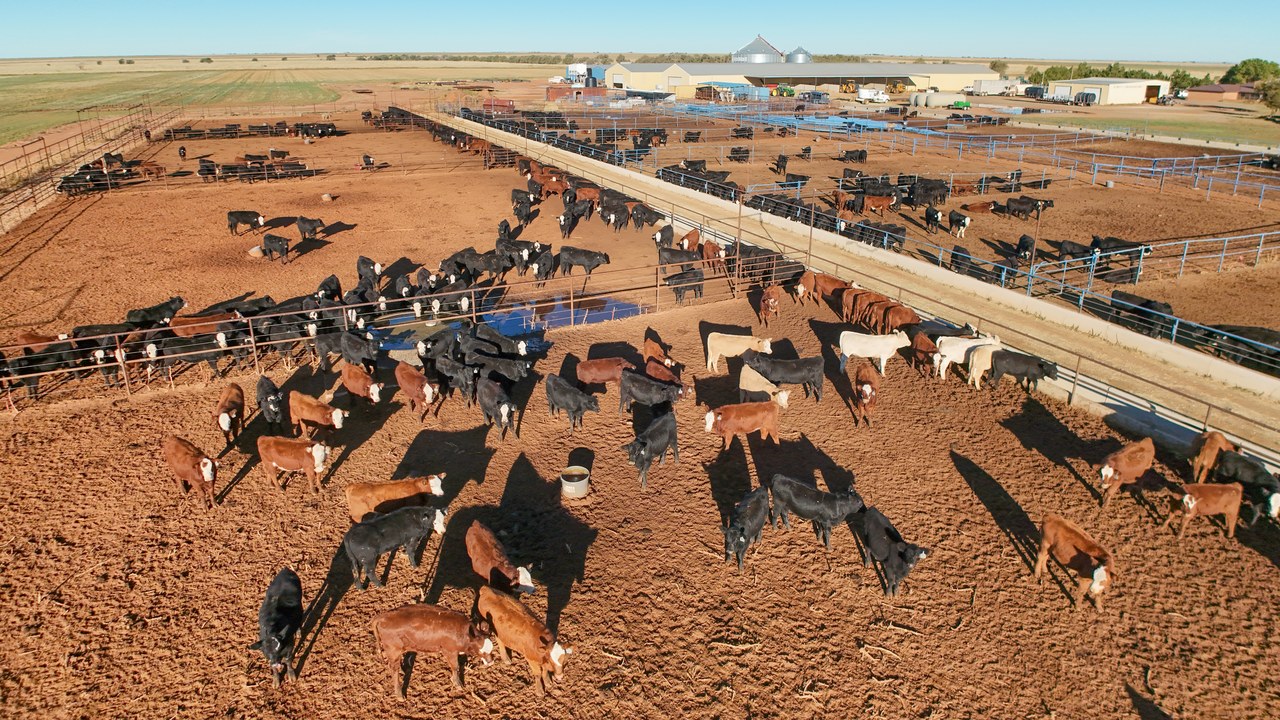
The White House says the two forces squeezing the beef aisle are moving in opposite directions at once. In a fact sheet issued September 4, 2026, the administration states that the national cattle herd is at a 75-year low while demand for beef has climbed almost 10 percent over the past decade. The document accompanied a set of executive orders President Trump signed the same day aimed at ranchers and the broader cattle industry, and it frames the herd-and-demand numbers as the backdrop for those actions.
What the White House fact sheet says
The exact language, from the White House fact sheet titled “Fact Sheet: Trump Supports America’s Ranchers”, reads: “The national herd is at a 75-year low while consumer demand for beef has grown almost 10 percent over the past decade.” The fact sheet does not cite a specific dataset or agency report alongside the figures inside the document itself, though both numbers align with cattle-inventory and beef-consumption trends USDA has tracked for years. The White House frames the combination, shrinking supply against growing demand, as the underlying pressure the executive orders are meant to address.
The fact sheet does not specify which year marks the 75-year comparison point or which measure of “demand” produced the almost-10-percent figure, whether that means the volume of beef Americans buy, the dollars they spend on it, or a combination of both. Both numbers appear in the document as framing for the executive orders rather than as footnoted statistics, which is typical of a White House fact sheet aimed at explaining a policy action rather than presenting a standalone data report.
Inside the kit: The Senior Property Tax & Home-Cost Relief Kit lays out the 5 kinds of property-tax relief and pairs heating, cooling and home-repair help with an application log and renewal calendar, the kind of household cost pressure that keeps building the same way a tight beef supply does. Open The Senior Property Tax & Home-Cost Relief Kit to see how those filing windows compare.
The $500 million program and the other orders signed the same day
Alongside the fact sheet, the administration announced a $500 million Fertilizer Investment & Expansion for Long Term Domestic Supply Program, intended to expand domestic fertilizer production, according to the same fact sheet. A separate USDA press release on the executive orders describes additional steps: veterinary loan and clinic grant programs worth $7.5 million each, nearly 1 million new acres added to the Conservation Reserve Program’s grasslands category, a review of country-of-origin labeling rules for beef, and a directive telling USDA to prioritize investigations into potential violations of the Packers and Stockyards Act, the federal law governing fair competition among meatpackers.
Agriculture Secretary Brooke Rollins tied the orders directly to the herd-rebuilding goal in the same release. “While the Biden administration chose to villainize ranching and the rural way of life under the guise of radical environmental mandates, the Trump Administration continues to focus on rebuilding the Great American Cattle Herd,” she said, adding that “American ranchers deserve fair, competitive markets that reward their hard work, not a marketplace dominated by a handful of concentrated packers.” The enforcement directive requires USDA to report back to the President within a year on current enforcement actions, resource needs and a plan to strengthen enforcement further.
The Packers and Stockyards Act enforcement piece points at a separate concern from herd size itself: how much of what shoppers pay at the meat case actually reaches the rancher who raised the animal. Rollins’s reference to a market “dominated by a handful of concentrated packers” points to the small number of major meatpacking companies that process most of the cattle raised in the United States, a concentration ranchers’ groups have raised concerns about independent of how large or small the overall herd is. USDA’s press release ties the directive to that concentration question directly, on top of the supply-and-demand pressure the fact sheet describes.
Why the herd size shows up in the meat case
A shrinking cattle herd against rising demand is the textbook setup for higher prices, and USDA’s own forecasters are pricing that in. The USDA Economic Research Service’s Food Price Outlook projects beef and veal prices rising 9.8 percent across all of 2026, a forecast the agency attributes directly to tight cattle supplies. That figure sits well above the 3.0 percent increase the same outlook projects for food prices overall, meaning beef is expected to keep outpacing the rest of the grocery cart for the balance of the year.
A herd that has started growing again
The 75-year-low figure describes where the herd has been, not necessarily where it is headed. The same White House fact sheet notes that “for the first time since 2018, the number of cattle in the U.S. is increasing,” suggesting the multi-year decline in herd size has begun to reverse even as the total remains historically low. The fact sheet does not say how large that increase has been or how long the administration expects it will take before herd size and beef supply meaningfully ease the price pressure the Economic Research Service is forecasting for the rest of 2026, and it does not say whether that early growth is expected to continue into 2027.
A tight cattle herd, and a home-cost budget already stretched
A historically small cattle herd and rising beef demand point toward a grocery bill that keeps climbing through the rest of the year. Property taxes and utility costs add their own separate pressure to the same household budget, and unlike a beef price at the register, the relief programs meant to soften them rarely apply automatically.
The Senior Property Tax & Home-Cost Relief Kit covers the 5 kinds of property-tax relief and pairs an application log with a renewal calendar, so a filing window does not close while attention is on the price of dinner.
Look up the home-repair help in The Senior Property Tax & Home-Cost Relief Kit.
This article was produced with AI assistance and reviewed by a human editor. Figures are linked to the government sources reviewed for this article.


