
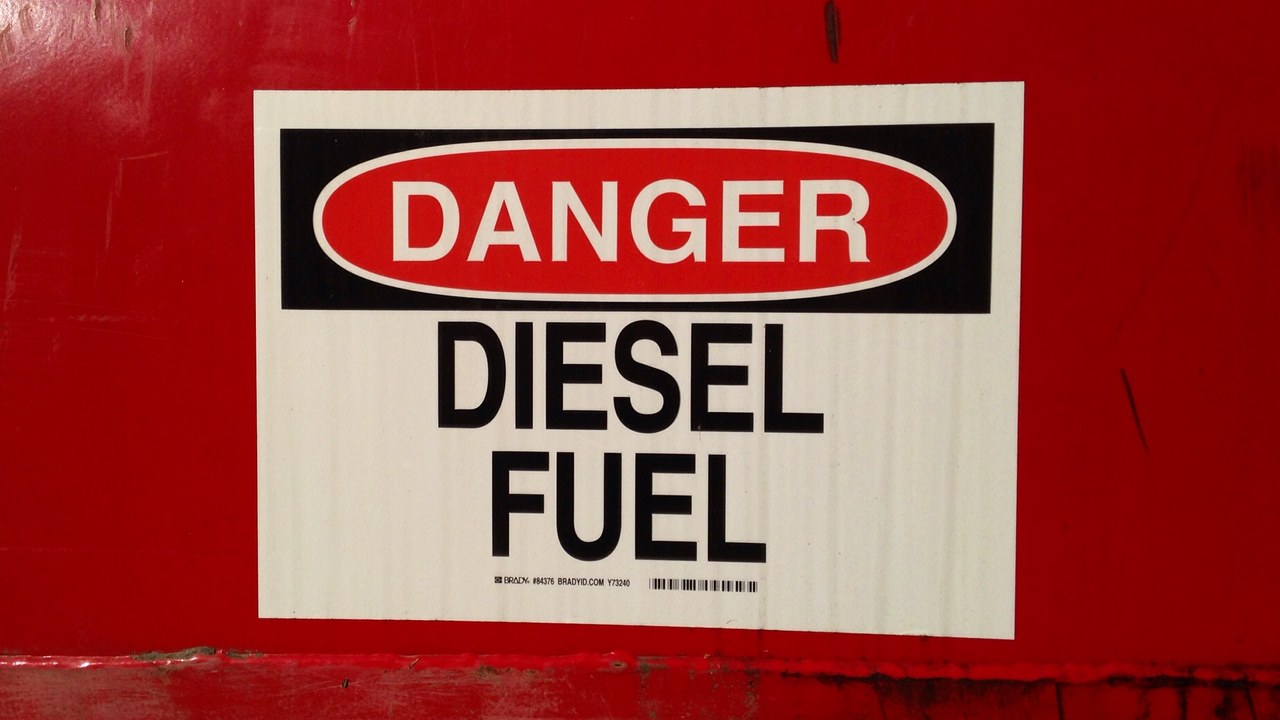
President Trump says he has called for a ban on diesel exports, and the national average price of diesel reached $6.52 a gallon on September 23. Treasury Secretary Scott Bessent said the administration is examining whether a full ban or a partial ban would work. The American Petroleum Institute, the oil industry’s largest trade group, says restricting exports would only make the price problem worse, not better.
What Trump Says He Has Called For
Speaking to reporters on September 22, Trump said plainly that the push to restrict diesel exports is his idea. “I’ve called for it,” he said, according to Axios, which first reported the exchange. He did not describe the restriction as settled policy, and no executive order or Commerce Department rule has followed the remark. The comment came as diesel prices climbed toward $6.52 a gallon, giving the idea fresh political weight even though it remains a proposal rather than a rule already in effect.
The basic argument behind the idea is simple even if the policy details are not: American refiners currently sell a large share of the diesel they produce overseas, where prices and profit margins have often run higher than at home. Keeping more of that diesel inside the country, in theory, would add to domestic supply and take some pressure off the pump. Whether that theory would actually hold, and by how much prices might move, is exactly what Bessent’s review is meant to test before any decision gets made.
Diesel prices move week to week; property-tax bills do not: A pump price can swing on a single announcement, but property-tax bills and home-heating costs follow fixed calendars that do not adjust for a bad month at the gas station. Read how property-tax freezes and circuit-breaker credits work in The Senior Property Tax & Home-Cost Relief Kit.
Bessent’s Review Of A Full Or Partial Ban
Treasury Secretary Scott Bessent told reporters the administration is studying whether a complete ban on diesel exports, or a narrower and partial restriction, would actually work, according to the same Axios report. Bessent stopped short of endorsing either option, describing the review as an early look at feasibility rather than a timeline for action. That distinction matters for anyone budgeting around fuel costs: a study of an idea is not the same as a rule that changes what refiners are allowed to sell abroad, and nothing in Bessent’s comments set a date for a decision either way.
A full ban would stop diesel cargoes from leaving U.S. ports altogether, while a partial version could instead cap export volumes, target certain destination countries, or apply only during periods when domestic supply runs tight. Each version carries a different effect on refiners’ operations and on the diesel available to buyers overseas, which is likely why Bessent described the administration as still weighing the options rather than announcing which one it prefers. Congress has not taken up legislation on the question, and any restriction would most likely arrive through executive action rather than a new law.
Diesel At $6.52 A Gallon
The national average price of diesel reached $6.52 a gallon on September 23, according to a Newsweek report published September 24 that tracks fuel prices state by state. That sits well above the $4.74 national average for regular gasoline the same report recorded on the same date, a gap that falls hardest on truckers, farmers and delivery fleets that run almost entirely on diesel rather than gasoline. Diesel’s climb is a large part of why the export-ban idea is drawing attention now, even though the proposal itself predates the latest price jump.
The Oil Industry’s Warning
The American Petroleum Institute said restricting diesel exports would “only compound the problem,” according to Axios’s reporting on the proposal. The institute posted its own statement online on September 23 under the headline “U.S. Diesel Export Ban Is a Bad Idea,” arguing that cutting off exports would not guarantee lower prices at home and could instead disrupt the refining and shipping arrangements that keep fuel moving. The group represents refiners and producers who would be directly affected by any export limit, giving it an obvious stake in how the debate turns out.
The industry’s counterargument runs opposite the White House’s stated theory: rather than freeing up supply, API contends that blocking exports could discourage refiners from running at full capacity or invite retaliation that disrupts the imported crude oil American refineries depend on to make diesel in the first place. Both sides are effectively arguing about the same barrels of fuel and reaching different conclusions about which direction those barrels should move, which is the kind of disagreement a feasibility review is meant to sort through before any restriction takes effect.
Why Diesel Prices Reach Beyond The Fuel Pump
Diesel is not mainly a passenger-car fuel. It powers most of the trucking fleet that moves groceries, building materials and manufactured goods across the country, along with farm equipment and, in parts of the Northeast, home heating oil. When diesel prices rise, the added cost typically works its way into freight rates before it shows up on a store shelf or a delivery invoice, which is part of why a $6.52 national average draws more attention from economists than a similar move in regular gasoline would.
A farm running a fleet of diesel tractors and a regional grocery distributor running a fleet of diesel trucks both absorb the same price increase differently than a commuter filling a gasoline sedan does, because fuel is a fixed cost of doing business rather than a discretionary trip. Those costs tend to show up later, in freight surcharges and delivery fees, rather than at the moment diesel prices move. Whether a ban would lower the $6.52 figure, raise it or leave it largely unchanged is exactly the question Bessent’s review is meant to answer, and it remains unresolved while the administration continues its study.
A Diesel Proposal, And Home Costs That Move On Their Own Calendar
Whatever becomes of the diesel-export idea, the price at the pump is only one line in a household budget, and it is the line getting the attention this week. Property-tax bills, utility charges and home-repair costs keep moving on their own schedules no matter what happens with fuel policy, and the relief programs built for them rarely apply themselves.
The Senior Property Tax & Home-Cost Relief Kit lays out the circuit-breaker credit that also reaches renters and where to find help with heating, cooling and home-repair costs, the kind of expenses that do not pause for a debate in Washington.
Compare the heating and cooling help options in The Senior Property Tax & Home-Cost Relief Kit.
This article was produced with AI assistance and reviewed by a human editor. Every figure above links to the report where it was verified.


