
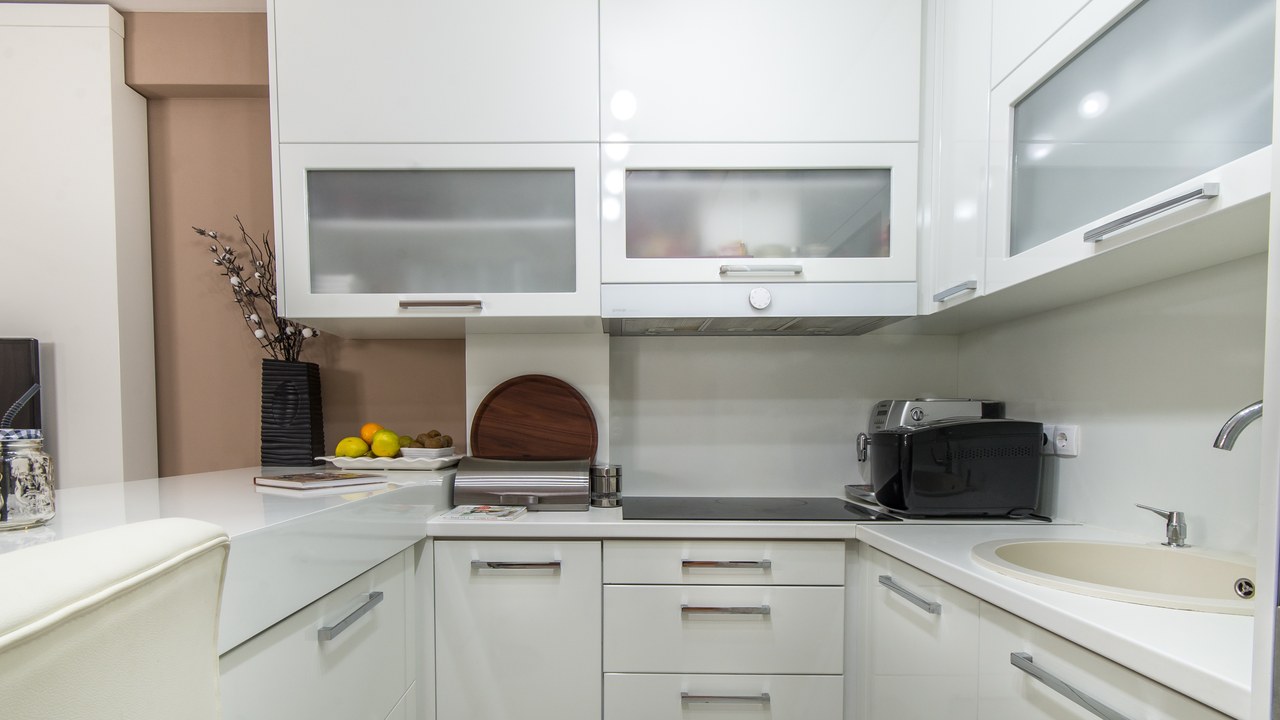
January 1 is the date stamped into Proclamation 11000, the presidential order that sets a course for how much it will cost to import a kitchen cabinet or bathroom vanity into the United States. On that day in 2027, absent a new trade agreement, the tariff on those products is scheduled to double from 25 percent to 50 percent, a step the White House already delayed once from its original start date of January 1, 2026.
The proclamation, signed December 31, 2025, and published in the Federal Register on January 9, 2026, invokes Section 232 of the Trade Expansion Act of 1962, the same national-security authority the administration has used to impose duties on steel, aluminum and other imported goods. Its cabinet-and-vanity provision has not been publicly reversed or further delayed since that January publication.
A one-year postponement, not a cancellation
The original version of the timber and lumber tariff program, issued in 2025, called for the 25 percent duty on kitchen cabinets and vanities to rise to 50 percent starting January 1, 2026, alongside a smaller increase on upholstered wooden furniture. The amended proclamation pushed both increases back a year specifically to allow continued negotiations with trading partners, according to its text, while leaving the underlying 25 percent rate in place through the end of 2026.
The cost a renovation budget has to absorb next: The presidential proclamation sets the cabinet-and-vanity duty increase for January 1, but it says nothing about the property-tax or utility side of a home budget that a bigger renovation bill lands on top of. The home-repair help inside The Senior Property Tax & Home-Cost Relief Kit covers that separate part of the budget.
Why wood products became a Section 232 tariff case
The cabinet-and-vanity tariff traces back to an earlier proclamation, not this one. Proclamation 10976, signed September 29, 2025 and effective that October, first set the 25 percent baseline rate on kitchen cabinets, vanities and upholstered wooden furniture, along with a separate 10 percent rate on softwood timber and lumber. The administration invoked Section 232 of the Trade Expansion Act, arguing that wood products are essential inputs for national defense, housing and infrastructure, and that import competition and foreign subsidies were eroding domestic mills’ ability to meet that demand. The escalation to 50 percent and 30 percent, and the January 2026 start date it later postponed, were written into that original proclamation from the start.
What doubles, what rises less, and what stays untouched
The proclamation treats three wood-derived product categories differently. Kitchen cabinets and vanities face the steepest scheduled increase, doubling from 25 percent to 50 percent. Upholstered wooden furniture is set to rise by a smaller margin, from 25 percent to 30 percent. Certain softwood timber and lumber, the raw material behind both finished-goods categories, separately carries a 10 percent duty that is not scheduled to change on the same timeline. The proclamation also builds in an exception for countries with which the United States reaches an agreement, meaning the January 1 rate could land differently for some trading partners than others, even as the default 50 percent rate remains the scheduled outcome for most. Because the 25 percent rate on cabinets and vanities has already applied to imports since October 2025, the January 2027 change would be a further increase on top of a tariff already built into pricing, not the first one importers and remodelers have had to absorb.
Builders are already pointing at the price of a remodel
The increase has drawn objections from the construction industry since before it was first delayed. The National Association of Home Builders said in a January 2026 statement that it continues to urge the White House to exempt building materials from tariff actions altogether, arguing the duties raise construction costs, impede supply chains and place upward pressure on home prices. Kitchen cabinets and bathroom vanities are line items in nearly every kitchen remodel and many bathroom renovations, and a jump from a 25 percent to a 50 percent duty applies to the imported share of that specific material, not to labor, countertops or the other parts of a renovation budget set on a separate schedule. Much of the domestic cabinet and vanity market relies on manufacturing capacity built overseas, which is part of why an increase concentrated in that single product line can move the total cost of a kitchen project even when lumber, drywall and other renovation materials are not covered by the same proclamation.
A cabinet-tariff date arrives on top of an existing home-cost budget
The proclamation sets January 1 as the date a cabinet or vanity import duty doubles, but a renovation is rarely the only rising cost in a household’s housing budget that year. Property-tax bills, insurance premiums and utility statements move on their own separate schedules that a tariff proclamation does not touch.
The Senior Property Tax & Home-Cost Relief Kit lays out the circuit-breaker credit that includes renters and an application log for tracking the relief programs tied to that other side of a home budget.
Look up the relief programs in The Senior Property Tax & Home-Cost Relief Kit.
This article was produced with AI assistance and reviewed by a human editor. Figures are linked to their primary sources.


