
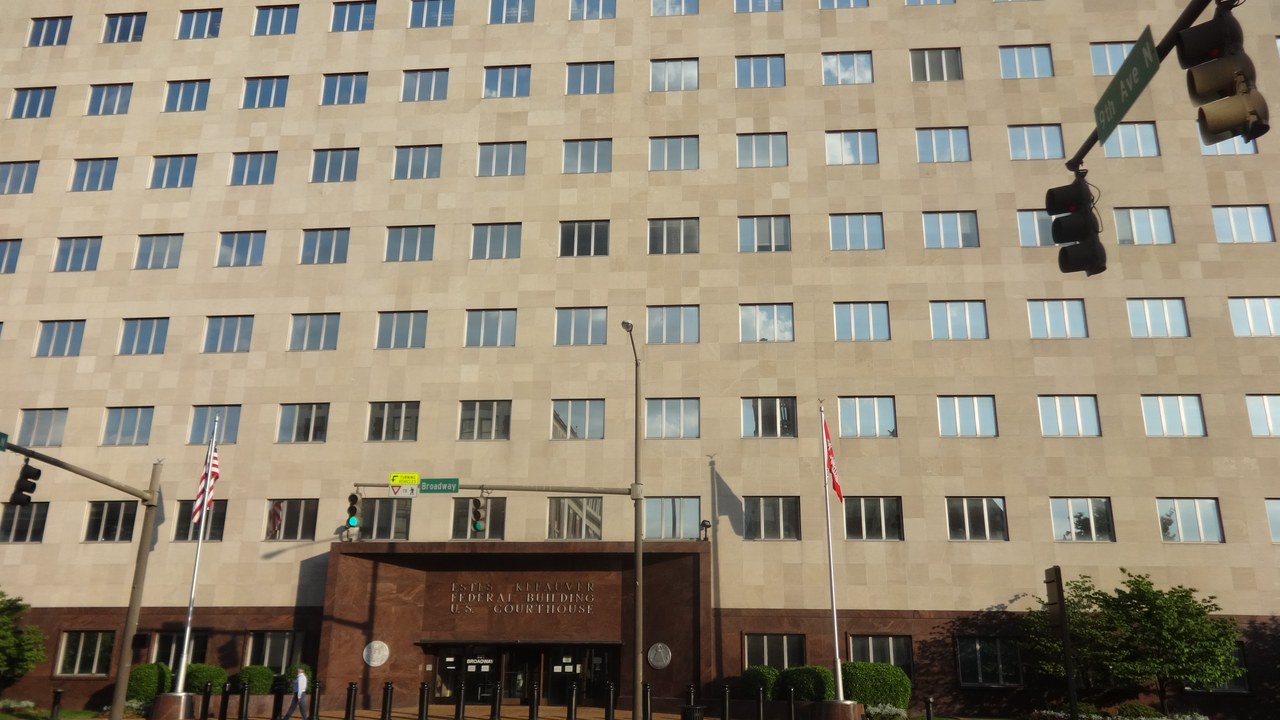
Several subsidiaries of North American Stamping Group, an international maker of car parts, will pay $620,000 and accept two years of federal monitoring to settle a sex harassment and discrimination lawsuit, the U.S. Equal Employment Opportunity Commission announced on September 22, 2026. The EEOC had alleged that the company shut more than a dozen women at its Portland, Tennessee, facilities out of promotions and apprenticeships and failed to act on sexual harassment complaints from 2018 through 2025.
What the EEOC alleged at the Portland plants
According to the EEOC’s September 22 announcement, the agency alleged that from at least 2018 through 2025, North American Stamping Group, known as NASG, discriminated against more than a dozen women at its facilities in Portland, Tennessee, a town north of Nashville. The EEOC said the company limited women’s promotional opportunities in certain job categories and prevented or discouraged them from joining apprenticeship programs.
The agency also alleged that NASG failed to respond adequately to sexual harassment complaints, including unwanted sexual attention and demeaning and belittling sex-based remarks. The EEOC said that conduct violated Title VII of the Civil Rights Act of 1964, which prohibits discrimination based on sex, including sexual harassment.
The EEOC filed the lawsuit, EEOC v. NASG Realty, LLC, et al., Case No. 3:25-cv-00066, in the U.S. District Court for the Middle District of Tennessee, Nashville Division, after first trying to reach a settlement through its pre-lawsuit conciliation process. The case was resolved through a consent decree rather than a trial, and the announcement does not describe any finding of liability by the court.
Four dates on a settlement notice: A case like this one produces a filing date, a decree date and, for anyone who receives money, payment dates that are easy to confuse. The four-date rule for reading a settlement notice is explained in The Settlement & Refund Recovery System.
The $620,000 payment and two years of oversight
The settlement has a financial part and a monitoring part. NASG’s subsidiaries will pay $620,000, and the company agreed to two years of monitoring by the EEOC. The announcement does not break down how the money will be divided among the women involved.
Under the consent decree, NASG must provide sex-discrimination training to certain employees and post a notice of the settlement at the facilities where the women worked. It must also report complaints of sex discrimination to the EEOC on a regular basis for the next two years, and its personnel policies must provide for robust anti-discrimination practices.
Christopher Lage, the EEOC’s acting general counsel, said, “Denying employment opportunities to workers in industrial settings because of their sex is illegal, and the EEOC remains vigilant in opposing sex discrimination based on sex stereotypes and sexual harassment in the workplace.” He said the suit was resolved without the burden and expense of taking sworn testimony from witnesses, and that the agency appreciated NASG’s cooperation in reaching a resolution that “will not just benefit the women who experienced sex discrimination and harassment but will also improve NASG’s practices going forward.”
The EEOC’s Memphis District investigated and litigated most of the case, and its Chicago District Office completed the litigation, the agency said.
Why promotions and apprenticeships matter for retirement
The positions at issue in the EEOC’s case, including skilled-trade apprenticeships and higher job categories, are often the path to better pay in manufacturing. Being kept out of them can have effects that last well beyond a single job. Lower wages generally mean smaller contributions to a 401(k), smaller employer matches, and lower lifetime earnings, which is the basis for calculating Social Security retirement benefits.
For workers in their 40s, 50s and 60s, a lost promotion also leaves fewer years to catch up before retirement. That is one reason employment-discrimination cases can carry financial consequences that are larger than the settlement amounts reported for them.
The EEOC’s guidance on sex-based discrimination explains that federal law bars treating applicants or employees unfavorably because of sex in any aspect of employment, including hiring, pay, job assignments, promotions and training. Its sexual harassment page explains that harassment is unlawful when it is so frequent or severe that it creates a hostile or offensive work environment or when it results in an adverse employment decision such as a firing or demotion. The EEOC notes that the law does not prohibit simple teasing, offhand comments or isolated minor incidents, and that the harasser can be a supervisor, a co-worker or even someone who is not an employee, such as a customer. Harassment also does not have to be sexual in nature to count; offensive remarks about women in general can qualify.
Filing deadlines and how to reach the EEOC
The NASG settlement applies to the women covered by the EEOC’s lawsuit. The agency’s announcement does not open a public claims process, and anyone who calls or messages claiming to collect a share of the $620,000 for a fee is not part of the official case. Payments in EEOC settlements are handled under the terms of the court-approved consent decree.
Workers elsewhere who believe they faced sex discrimination or harassment must act within strict time limits. The EEOC’s guidance on filing deadlines says a charge generally must be filed within 180 calendar days of the discrimination. That deadline extends to 300 days when a state or local agency enforces a law against the same type of discrimination. The EEOC says deadlines are generally not paused while a worker pursues an internal grievance, and when more than one discriminatory act occurred, the deadline usually applies to each one separately.
According to the EEOC’s charge-filing guidance, a worker can start the process through the agency’s online public portal, which leads to a telephone, video or in-person interview at one of 53 EEOC offices. The agency says anyone whose deadline is fast approaching should call 1-800-669-4000 and ask for an immediate interview, and field offices are open for walk-in visits on weekdays. Keeping dated notes, copies of complaints made to a supervisor or human resources, performance reviews and job postings can help show when each event occurred.
Keeping track of a workplace case over time
The NASG case began with conduct dating to 2018, went through conciliation, a 2025 lawsuit and a 2026 consent decree, and now carries two years of monitoring. For anyone connected to a case like this, the notices and any payment that follow arrive over months or years, not all at once.
The Settlement & Refund Recovery System includes a claim log and payment tracker for recording each notice and payment, along with the scam-proof rules for spotting outsiders who ask for a fee to collect settlement money.
Log each notice in The Settlement & Refund Recovery System.
This article was prepared with AI assistance and reviewed against the linked official sources.


