
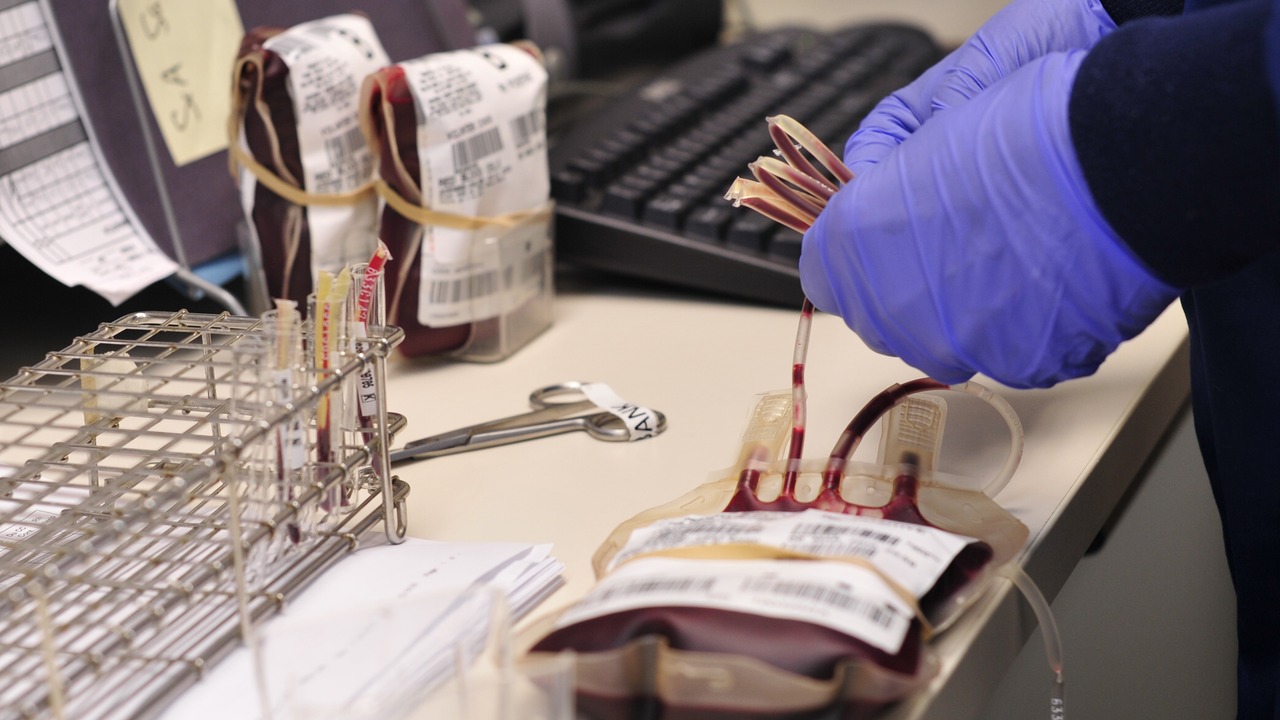
Medicare plans to cut what it pays laboratories for most blood tests, urinalysis and other diagnostic tests starting in 2027, a change the Centers for Medicare & Medicaid Services projects will save taxpayers about $1 billion a year. CMS released preliminary 2027 rates on September 21, 2026, and said its data show Medicare has been paying about 16 percent more for lab services than private insurers pay for the same tests. Final rates are expected in November and would take effect January 1, 2027.
Why Medicare expects to save $1 billion a year
The CMS announcement ties the savings to a single goal: aligning the Clinical Laboratory Fee Schedule with what private payors actually pay. Under the Protecting Access to Medicare Act of 2014, most Medicare lab rates are supposed to be set at the volume-weighted median of private-insurer rates for each test, with the data refreshed periodically. Before that law, CMS says, tests were generally paid the lesser of the billed charge, a fee schedule set by the local Medicare contractor, or a national limitation amount. The fee schedule covers tests such as blood tests, urinalysis, and molecular and genomic tests.
That refresh has happened only once before. Laboratories first reported private-payor data in 2017, and those numbers became the basis for 2018 rates. Congress then delayed the next reporting cycle several times. Meanwhile, CMS says, private-sector rates for most lab tests fell significantly. The Consolidated Appropriations Act, 2026 required a second round of reporting this year and set up collection every three years going forward.
“Taxpayers and Medicare patients have been paying excessive rates to labs for years, but with some help from Congress, CMS is working to ensure that Medicare isn’t paying more than private insurers for the exact same tests,” said CMS Administrator Dr. Mehmet Oz. He said releasing the preliminary information provides greater transparency into actual market rates across the health system, including Medicaid and the Affordable Care Act exchanges.
When a lab bill does show up. Covered diagnostic tests usually cost Original Medicare patients nothing, which makes any charge for a test worth checking against the claim. The medication and cost tracker and the prior-authorization appeal steps for a denied test are in The Medicare Cost & Coverage Protection Kit.
Which tests would see the biggest cuts
A CMS fact sheet breaks down the data. Of 1,947 billing codes subject to reporting, 1,528, or 78.5 percent, had enough private-payor data to calculate a weighted median. Among those, 1,171 codes came in lower than the 2026 Medicare rate, 169 were equal and 186 were higher. The average potential change is about 16 percent lower.
The cuts vary by category. CMS estimates weighted rate changes of minus 16 percent for chemistry tests, which include many routine blood panels; minus 19.3 percent for both microbiology and immunology; minus 22 percent for molecular pathology; and minus 23 percent for genomic sequencing. Proprietary laboratory analyses would fall only 2.4 percent.
The data came from 6,411 laboratories, up 230 percent from the first reporting cycle. Hospital labs grew from 21 reporting labs in 2017 to 875 in 2026, and physician-office labs from 1,106 to 3,262. Labs reported private rates paid from January 1 through June 30, 2025, and submitted them between May 1 and July 31, 2026. CMS removed duplicate records and outliers priced at more than 100 times the 2026 Medicare rate, and it published rates with and without those exclusions for comment. Alongside the rates, the agency released preliminary pricing decisions for tests that are new in 2026.
A 15 percent annual cap slows the cuts
The reductions will not arrive all at once. By law, Medicare payment for a clinical diagnostic lab test cannot fall by more than 15 percent in a single year through 2029. CMS says it will phase in the lower rates from 2027 through 2029, so a test whose private-market median sits far below today’s Medicare rate would step down over three years.
The public has 30 days from September 21 to comment on the preliminary rates and supporting data, which are posted on the Clinical Laboratory Fee Schedule page. For tests with no private-payor data, CMS held a public meeting on September 15 and 16, where an expert panel of laboratory professionals advised on pricing. Those determinations are due in early October with a separate 30-day comment period. CMS expects to finalize 2027 rates in November 2026.
What it means for people on Medicare
For most people in Original Medicare, the change will not show up directly on a bill. Medicare Part B covers medically necessary diagnostic lab tests ordered by a health care provider, and Medicare.gov says patients usually pay nothing for Medicare-covered diagnostic laboratory tests. The $1 billion in projected savings goes to the program and to taxpayers rather than as a refund to individual enrollees.
The indirect effect could matter more. Part B spending helps determine the standard monthly Part B premium, which most retirees pay out of their Social Security checks. Lower lab spending reduces one of the many costs that feed into that calculation, although CMS has not tied the lab savings to any specific premium figure.
There are also practical limits. Medicare.gov warns that a doctor may recommend tests Medicare does not cover or orders more often than Medicare allows, which can lead to charges. Medicare Advantage plans set their own cost-sharing and may require prior authorization for some tests. People who receive an unexpected lab bill can compare it with their Medicare Summary Notice or plan’s explanation of benefits to confirm whether the test was covered.
The final November rates will show whether CMS keeps the roughly 16 percent average reduction and its $1 billion annual estimate after reviewing public comments. CMS is also asking for comment on whether its approach to excluding duplicate and outlier records is appropriate, a choice that could shift individual test rates before they are locked in.
Lower lab rates do not settle every medical bill
A national fee-schedule change helps taxpayers, but it will not flag a test billed in error or a plan that refused to cover one. Retirees still need a way to match each charge to what Medicare or a plan actually approved.
The Medicare Cost & Coverage Protection Kit includes a medication and cost tracker for logging each charge, the prior-authorization appeal steps for a denied service, and 51 state Medicare cost-help packs.
Keep medical costs organized with The Medicare Cost & Coverage Protection Kit.
This article was prepared with AI assistance and reviewed against the linked official sources.


