
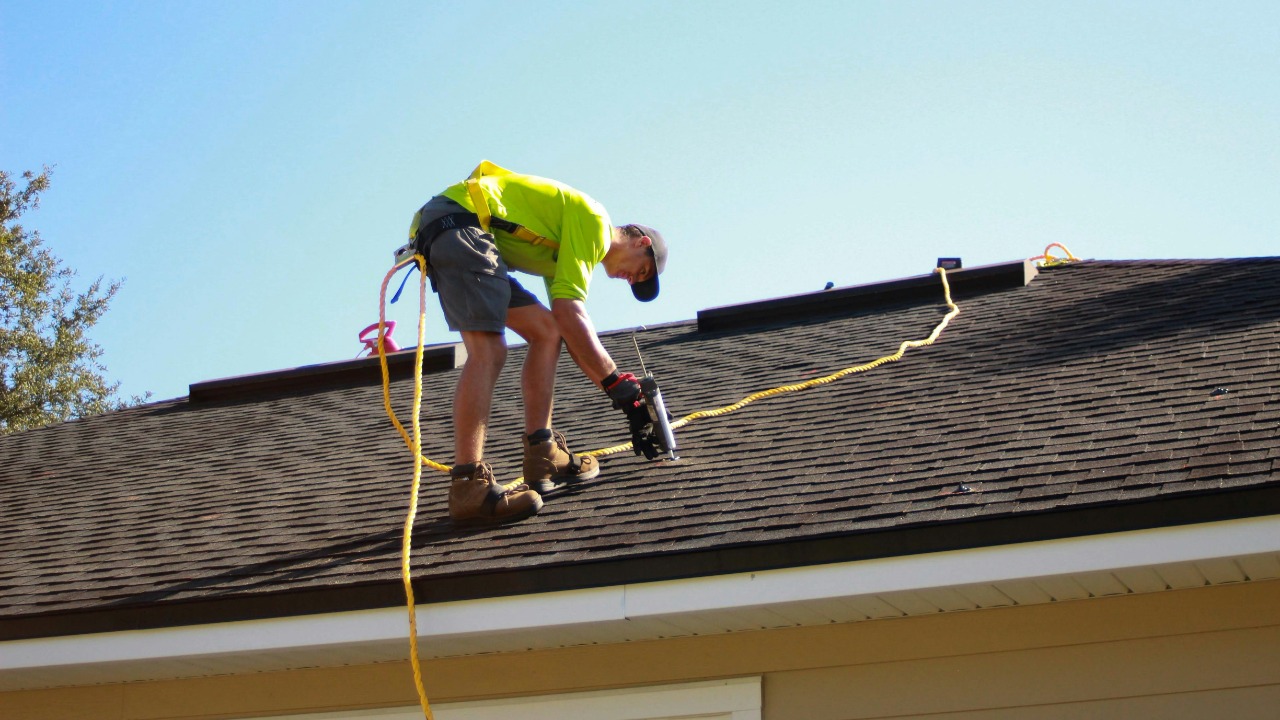
A fall hazard can become a business-cost story long before a citation becomes final. OSHA has proposed $265,868 in penalties against Martin Araujo, doing business as Araujo Construction Corp. of Calumet City, Illinois, after inspections at two job sites where workers installing roof rafters and sheathing faced falls of up to 25 feet. The agency’s proposal is not a final finding or a payment order; the employer has a defined response window.
OSHA’s Proposal Names Martin Araujo and a Calumet City Company
The employer in the case is Martin Araujo, doing business as Araujo Construction Corp., in Calumet City. OSHA’s September 15, 2026 release is the official record behind the proposal, and contemporaneous reporting from Occupational Health & Safety identifies the same employer, location and proposed amount.
The figure in the headline is $265,868 in proposed penalties. “Proposed” is the operative word: it describes OSHA’s cited amount at this stage, not a final penalty that has already been collected. The saved reporting also identifies an independent corroborating account of the same proposed amount and itemized allegations from Construction Owners.
Inside the guide: Eleven benefit programs, the 2026 income limits and a 50-state phone directory, with a printable tracker that comes with the download. Open The Benefits Checklist.
Workers Were Installing Rafters and Sheathing Up to 25 Feet Above Ground
The inspections described carpenters and general laborers installing roof rafters and sheathing at two job sites. Their reported fall exposure was up to 25 feet. That physical detail is what ties the proposed enforcement action to roofing work rather than to a paperwork-only violation, according to the account of the release in Occupational Health & Safety.
The record does not say that a fall occurred. It says OSHA alleged a fall risk at elevated locations while the crew was performing the named work. Keeping that distinction intact matters because the allegation is about exposure and cited safeguards, not a reported injury outcome.
Thirteen Alleged Violations: Two Willful, Nine Repeat, Two More
The itemized count comes to 13 alleged violations: two classified as willful, nine classified as repeat, one serious and one other-than-serious. The total is the sum of those four buckets, not an additional allegation. The two willful allegations concern fall protection at elevated locations, while the repeat allegations include head and eye protection, stairway handrails and ladders that did not extend three feet above the access point, according to the report quoting the OSHA release.
Classifications are part of the agency’s proposal, not an adjudicated account of the job sites. The source material is specific about the difference: OSHA alleged two willful and nine repeat violations, then listed one serious and one other-than-serious item. That is why the article describes all 13 as proposed citations rather than as final violations.
The 15-Business-Day Window Belongs to the Employer
Araujo Construction has 15 business days from receipt of the citations and penalties to comply, request an informal conference with OSHA’s area director or contest the findings before the independent Occupational Safety and Health Review Commission. That is the response language in the saved source record, reported by Occupational Health & Safety.
The clock is not a claim deadline for workers or a public refund program. It is the employer’s procedural window after receipt of the citations and proposed penalties. A request for an informal conference and a contest before the Review Commission are distinct options in the reported notice, which is why the current status remains proposed and contestable.
What the Proposal Does and Does Not Settle
The current record establishes the amount OSHA proposed, the employer it named, the two inspected job sites, the 25-foot fall exposure and the 13 itemized alleged violations. It does not establish a final penalty amount, an accepted settlement or a completed contest. Those are separate outcomes that the 15-business-day process may determine.
For now, the strongest source-led conclusion is the narrow one: the September 15 OSHA release initiated a proposed enforcement action against the Calumet City contractor, and the contemporaneous accounts preserve the facts that make the headline concrete—$265,868 proposed, up to 25 feet of reported fall exposure and a response period that had not yet been resolved in the saved research.
When a Worksite Notice Leaves a Household Budget Unchanged
An OSHA proposal names a business process, not an automatic household payment or benefit. The gap is the ordinary budget question that can sit beside a work disruption: which public programs exist, which have an income test and which require a separate application.
The Benefits Checklist is the 69-page guide covering 11 benefit programs, the 2026 income limits and a 50-state phone directory.
Open the 50-state phone directory in The Benefits Checklist.
This article was produced with AI assistance and reviewed by a human editor. Figures are linked to their primary sources.


