
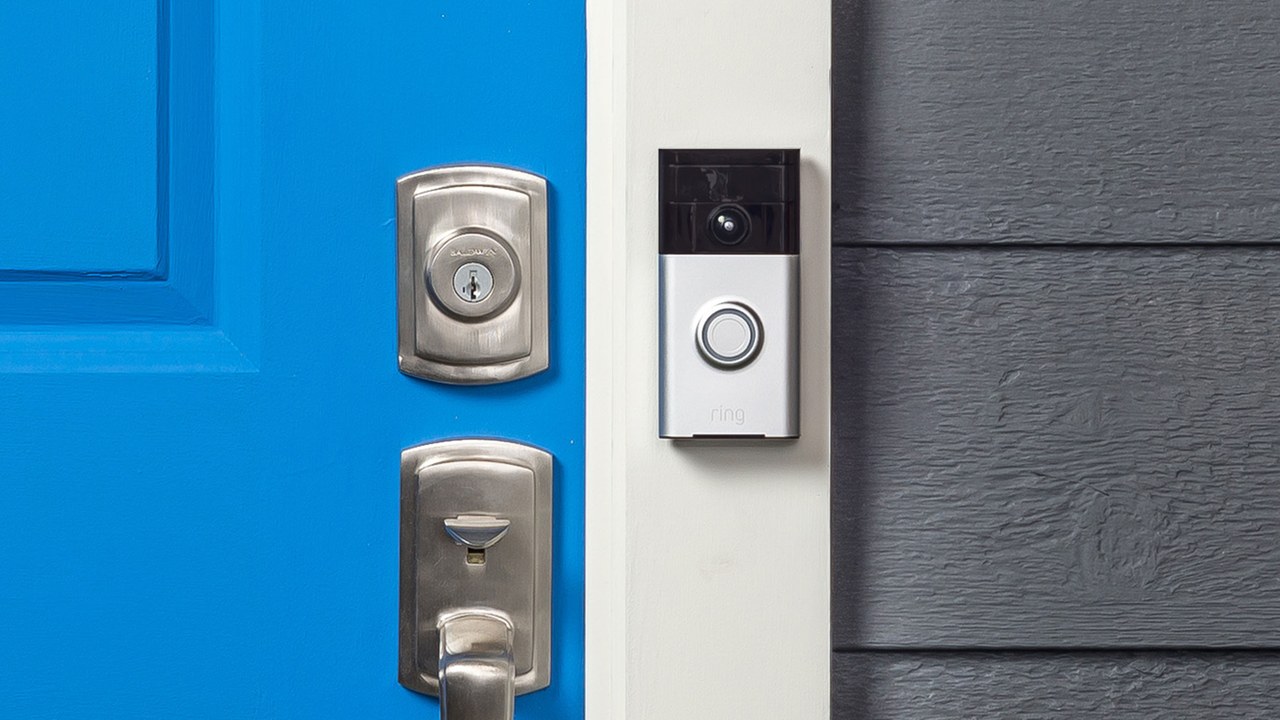
Settlement money has a habit of going uncollected, and the doorbell camera case is proving it. The money Ring was ordered to pay over its handling of customer video is reaching camera owners for a third time, and this round arrives by Zelle rather than by check or PayPal, aimed squarely at the people who let the first two payments expire. Nothing has to be filled in, signed or mailed for it to land.
The Third Round Is Going Out By Zelle
The Federal Trade Commission is administering the payments out of the money the settlement required Ring to hand over, and it has now switched payment rails twice to chase down the same group of people. The current round goes to former and current Ring customers who did not cash a check or accept a PayPal payment when the earlier rounds went out. A Zelle payment lands directly in the recipient’s bank account carrying a note about the settlement, which is the only notification many people will get.
The program is live rather than historic. Ring Refunds appears on the agency’s list of active refund programs with a date of July 2026 and a refund administrator, Rust Consulting, reachable at 1-833-637-4884. That distinction matters: the same index carries dozens of closed-out programs stretching back to 2022, and the Ring entry is not one of them.
Inside the guide: A 5-tab Excel tracker pre-filled with all 51 state unclaimed-property offices, the source vault of 12 official places money sits, and a step-by-step filing walkthrough. Open The Settlement & Refund Recovery System.
April 2024, August 2025, And The $5.4 Million Already Paid
The first payments went out in April 2024. The agency announced on April 23 of that year that it was sending 117,044 PayPal payments, totaling more than $5.6 million, to consumers who had owned certain Ring devices such as indoor cameras during the periods when unauthorized users may have had access to their video. Recipients were told to redeem the PayPal payment within 30 days, which is precisely the kind of instruction that gets lost in a crowded inbox.
A second round followed in August 2025. Between them, according to the agency’s Ring refunds page, those two rounds resulted in more than $5.4 million reaching consumers. The gap between the $5.6 million announced as outgoing in 2024 and the $5.4 million recorded as actually refunded is the whole story of this third distribution: a slice of the money bounced off unredeemed digital payments and uncashed paper, and it is that slice now being pushed out again through a different channel.
What The Cameras Were Doing
The underlying complaint is about surveillance running in the wrong direction. The agency alleged that Ring’s privacy failures let employees and contractors have far too much access to customers’ private videos, that customer video was used to train algorithms without consent, and that the company failed to put basic security protections in place, leaving accounts open to takeover. In some cases, the agency says, hackers took control of customers’ accounts, cameras and videos outright.
The 2023 settlement required the company to pay money, delete videos it should not have possessed, and build a privacy and security program. The refunds now moving are the consumer-facing piece of that order, and they are limited to owners of the specific device types and time periods identified in the case rather than to every person who ever bought a Ring product.
No Claim Form, No Fee, No Phone Call Required
This is an automatic distribution, and that fact is the best defence a household has against the scams that trail every publicised settlement. There is no form, no application and no processing fee, and the agency states flatly that it never asks people to pay money in order to get a refund. Anyone contacted and told that a payment can be released in exchange for a card number, a bank login or a fee is being worked by an impersonator, not by the agency or its administrator.
The agency runs a standing warning about exactly this on its refunds index, noting that scammers impersonate it and that it will never threaten anyone, demand a transfer of money or promise a prize. Questions about a specific Ring payment go to the refund administrator on the published number, not to whoever placed the incoming call.
Why The Third Round Exists At All
Redress programs of this shape leak money at every hand-off. A digital payment expires after 30 days. A paper check goes to an address three moves out of date. An email from an unfamiliar administrator looks enough like a phishing attempt to be deleted on sight, which is a rational instinct that in this case costs the recipient real money. Each failure leaves a residue of unpaid consumers, and the agency has to decide whether chasing them is worth another distribution.
In this case it decided it was, twice over, and the record of that decision is public: the FTC’s Ring refunds page, last modified on July 21, 2026, sets out the April 2024 and August 2025 rounds and the Zelle payments now going to the people those rounds missed, with the more than $5.4 million already refunded stated on the same page.
The Payment Nobody Recognized The First Time
Two rounds of this distribution failed for the dullest reason in consumer finance: the money arrived looking like something else and was ignored. Nothing on a settlement page tells a household which unfamiliar email, check or bank credit was real, and there is no register of the payments a person has already let lapse. That record has to be kept at the kitchen table, before the next one turns up.
The Settlement & Refund Recovery System is a 36-page guide with a large-print quick-start, the four-date rule for reading a settlement notice and a claim log and payment tracker.
Open the large-print quick-start in The Settlement & Refund Recovery System.
This article was produced with AI assistance and reviewed by a human editor. Figures are linked to their primary sources.


