
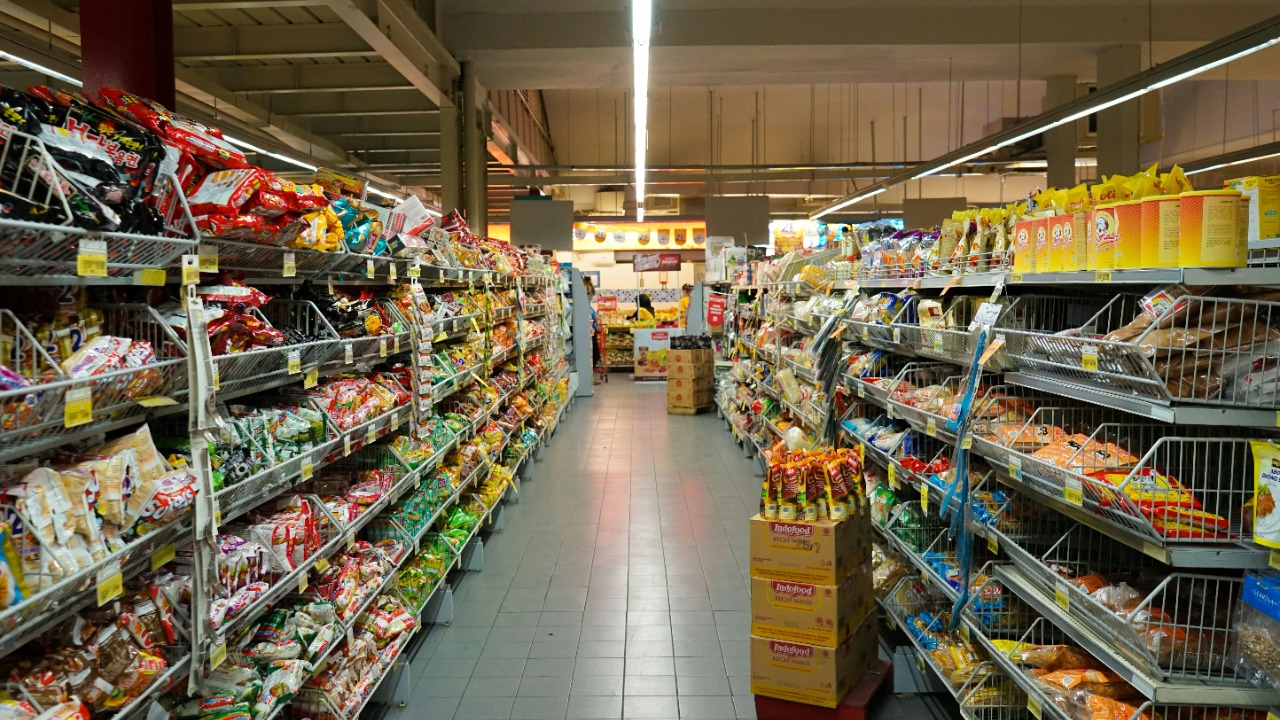
Every October, the U.S. Department of Agriculture resets the floor under food stamp benefits, and the new numbers for the year ahead move in opposite directions depending on where a household lives. In the 48 contiguous states and the District of Columbia, the smallest possible monthly benefit for a one- or two-person household is going up by a dollar. In Hawaii, the smallest possible benefit is going down by a dollar. Both changes take effect on the same day, from the same federal memo, for the same reason: the annual cost-of-living math simply landed differently in each place.
$25 on the Mainland, $40 in Hawaii
USDA’s fiscal year 2027 cost-of-living adjustment memo sets the minimum Supplemental Nutrition Assistance Program allotment for a household of one or two people at $25 a month in the 48 states and D.C., up from $24, effective October 1, 2026 through September 30, 2027. Hawaii’s minimum for the same household size falls from $41 to $40 over that same year. The minimum benefit is a floor, not the typical payment — it exists so that a small household whose calculated benefit would otherwise round down to almost nothing still receives a baseline amount, and it applies only to one- and two-person households, since larger households qualify for allotments well above the minimum.
Inside the organizer: 51 state packs, a renewal document checklist, a renewal and reporting calendar, and the 90-day window after coverage is dropped. Open The SNAP & Medicaid Renewal Organizer.
Why Hawaii Moves Opposite Everyone Else
The minimum benefit is not set by a single national formula; each region’s figure is tied to that region’s own Thrifty Food Plan cost estimate, recalculated annually from the Consumer Price Index. USDA’s FY2026 memo, issued the prior year, shows Hawaii’s maximum allotment for a family of four falling from an already-adjusted level the year before down to $1,689, even as every other region’s maximum rose — the same downward pattern shows up again in the FY2027 numbers, where Hawaii’s four-person maximum drops further to $1,655 while the 48 states’ maximum climbs to $1,023. When a region’s underlying food-cost estimate comes in lower than the prior year, its minimum benefit can fall even while inflation is pushing every other region’s minimum up.
The Rest of the Map
Hawaii is not the only place with its own number. Guam’s minimum rises from $35 to $36, the U.S. Virgin Islands’ rises from $31 to $32, and USDA’s cost-of-living adjustment tables split Alaska into three regions that each move differently: Rural 1 rises from $39 to $40, Rural 2 rises from $48 to $49, and Alaska’s urban region holds flat at $31, the only region in the entire country whose minimum benefit does not change for FY2027. That flat line matters as much as the increases and decreases around it — it means urban Alaska’s cost-of-living calculation produced no measurable movement this year, in either direction.
The Same Memo Moves Several Other Numbers
The minimum benefit is just one line in a memo that resets SNAP’s entire cost-of-living structure for the year. The maximum monthly allotment for a family of four in the 48 states and D.C. rises to $1,023 for FY2027, while Hawaii’s family-of-four maximum moves the other direction, down to $1,655. The standard deduction for smaller households in the 48 states rises to $217 a month, and the maximum excess shelter deduction — the same deduction the heating and cooling utility allowance feeds into — rises to $769. The asset limit for households with a member who is 60 or older or disabled also increases, from $4,500 to $4,750, while the general asset limit for other households holds at $3,000. None of those figures move as visibly as a headline minimum-benefit swing, but they shift the same household budget math behind the scenes.
What a Dollar Actually Changes on a Grocery Bill
A dollar swing on a minimum benefit sounds small next to a typical monthly SNAP allotment, but the households affected are, by definition, the ones whose calculated benefit already rounds down close to zero — often a single elderly person living alone on a fixed income, where every dollar of the benefit is one dollar not coming out of a Social Security check at the grocery store. For a Hawaii household at that minimum, the dollar reduction is not a rounding error against a large number; it is a full one-fortieth cut to the smallest support SNAP provides, arriving the same month rents and utility costs on the islands are also adjusted for the new fiscal year.
When the New Numbers Take Effect
Every figure in USDA’s FY2027 memo, dated August 21, 2026 and signed for Acting Associate Administrator Ronald Ward, becomes effective October 1, 2026, and stays in place through September 30, 2027. State SNAP agencies do not phase these adjustments in gradually; the new minimums, maximum allotments, and deduction amounts all switch over on the same first day of the federal fiscal year, which is also when states typically issue the benefit notices explaining the change to affected households.
A Benefit Amount Changes Automatically; A Missed Renewal Does Not Get Fixed That Way
USDA adjusts the minimum and maximum SNAP figures on its own schedule every October, but nothing about that annual reset extends a household’s certification period or reminds anyone that a renewal packet is due. A benefit can rise or fall by the federal formula in the same month a household’s case closes for an unrelated, missed deadline.
The SNAP & Medicaid Renewal Organizer is a 13-page organizer with 51 state packs, a renewal and reporting calendar, and the 90-day window after coverage is dropped.
Open The SNAP & Medicaid Renewal Organizer.
This article was produced with AI assistance and reviewed by a human editor. Figures are linked to their primary sources.


