
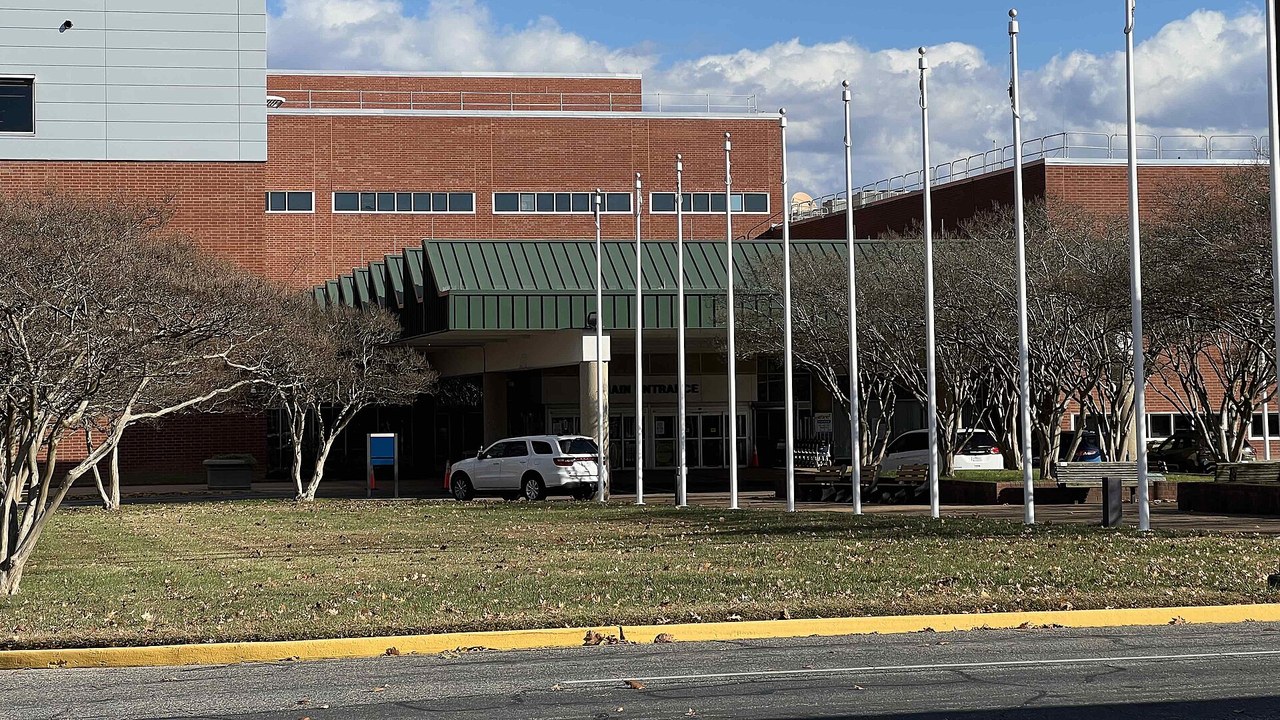
A single senior veterans service representative at the Department of Veterans Affairs’ Philadelphia Regional Benefit Office authorized about 85,300 disability rating decisions between fiscal year 2022 and fiscal year 2024, spending an average of 4.7 minutes on each one before signing off. A federal watchdog that reviewed the office’s work found the pace was not a fluke: it was roughly 19 times the volume produced by an average caseworker, achieved at a review speed a quarter of the national norm, and it left errors reaching directly into veterans’ monthly payments. For anyone with a disability claim moving through VA’s system today, the finding is a reminder that a fast decision and an accurate one are not the same thing.
85,300 Claims, 4.7 Minutes Each
The Department of Veterans Affairs Office of Inspector General opened its review after a hotline tip alleged that a Veterans Service Center manager let one senior veterans service representative “blindly” approve hundreds of rating decisions a day without the required checks. Investigators substantiated the allegation. From at least fiscal year 2022 through 2024, the employee authorized about 85,300 claims — about 19 times the national average for a single caseworker — spending 4.7 minutes per claim against a national average of about 21 minutes. Investigators also found the employee “rarely opened necessary documents to verify claim information prior to authorization,” meaning the file itself, not just the clock, was being skipped.
Where a pension claim goes wrong: The three VA pension levels carry different tests, and filing is free — which is exactly what pension poachers rely on nobody knowing. See the warning signs in The Veterans Benefits Action Kit.
A Third of the Office’s Entire Workload
The volume was not a secret inside the Philadelphia office. According to the OIG’s report, numbered 24-03608-203, the employee “contributed more than 35 percent each year toward the regional office’s claims completions goal” — a single caseworker accounting for more than a third of the metric that regional office executives are themselves judged on. Officials at the regional office, the Northeast District, and VA’s central office all knew about the unusually high authorization rate, and the Northeast District director raised concerns about it more than once. Investigators concluded those officials “overlooked opportunities to strengthen internal controls and effectively respond to the associated risks,” even as one employee’s numbers stood apart from every colleague’s.
From a Sample of 32 to an Estimate of $2.2 Million
To measure the damage, the OIG pulled a statistical sample of 32 rating decisions the employee authorized between January 1 and June 30, 2024, and checked each one against VA’s own standards for a valid disability determination. Based on that sample, the watchdog’s review estimated that about 13,200 decisions, or 84 percent of what the employee issued in that six-month window, carried at least one error. The report lists $2.2 million in questioned costs — the OIG’s term for improper payments its sample projected across the period, a figure that can run in either direction against what a properly reviewed claim would have produced.
What “Questioned Costs” Means for a Veteran’s Check
The $2.2 million sits under that label rather than “overpayments” because the number cuts both ways. A veteran whose disability rating was approved too quickly and without proper documentation could have been paid too much, creating a debt VA can later claim back out of future checks. Another veteran’s claim, rushed through the same six-month stretch, could have been rated too low or could have missed an effective date that determines back pay, leaving money the veteran was owed sitting unclaimed. The report does not break down how many of the roughly 13,200 flagged decisions fell into each category, only that errors were common enough to reach an estimated 84 percent of the sample the OIG pulled.
What the VA Says It Has Fixed
The OIG issued two recommendations to VA’s Veterans Benefits Administration: review and correct every processing error the review team identified, and evaluate whether the office’s controls for catching authorization-rate outliers need to be stronger. VA closed both recommendations as implemented on August 6, 2026, according to the full report document, just under a year after the review was issued on September 29, 2025. The report does not say whether every veteran affected by the flagged errors has since had a payment corrected, only that VBA reported back on the actions it took in response to the two recommendations.
Where This Fits Among VA’s Oversight Priorities
The OIG filed the Philadelphia review under two of its own designated Major Management Challenges for the department: Benefits for Veterans and Leadership and Governance, and it categorized the report’s topic simply as Claims and Appeals. That classification places a single caseworker’s authorization pace inside the same oversight bucket VA’s inspector general uses to track the agency’s biggest structural risks, not a one-off personnel complaint. The review was not congressionally mandated; it originated from an anonymous hotline tip, the same channel VA maintains specifically so employees and veterans can flag exactly this kind of pattern before it reaches the scale this one did. Two recommendations is a small number for a report carrying $2.2 million in questioned costs, and both were aimed at the systemic gap — outlier detection and error correction — rather than at the individual employee’s conduct.
Filing A Pension Claim Without Waiting On A Reviewer’s Clock
The Philadelphia review covered disability rating decisions, not the separate VA pension program that many wartime-era veterans and surviving spouses depend on for a monthly benefit tied to income and need. Pension claims run through their own three-tier structure, including Aid & Attendance, and an application filed with the wrong form or missing documentation can sit in that same queue for months regardless of how fast or slow the reviewer on the other end happens to be.
The Veterans Benefits Action Kit is a 10-page kit covering the three VA pension levels including Aid & Attendance, how to file for free using VA Form 21P-527EZ, and the pension-poacher warning signs.
Look up the pension filing steps in The Veterans Benefits Action Kit.
This article was produced with AI assistance and reviewed by a human editor. Figures are linked to their primary sources.


