
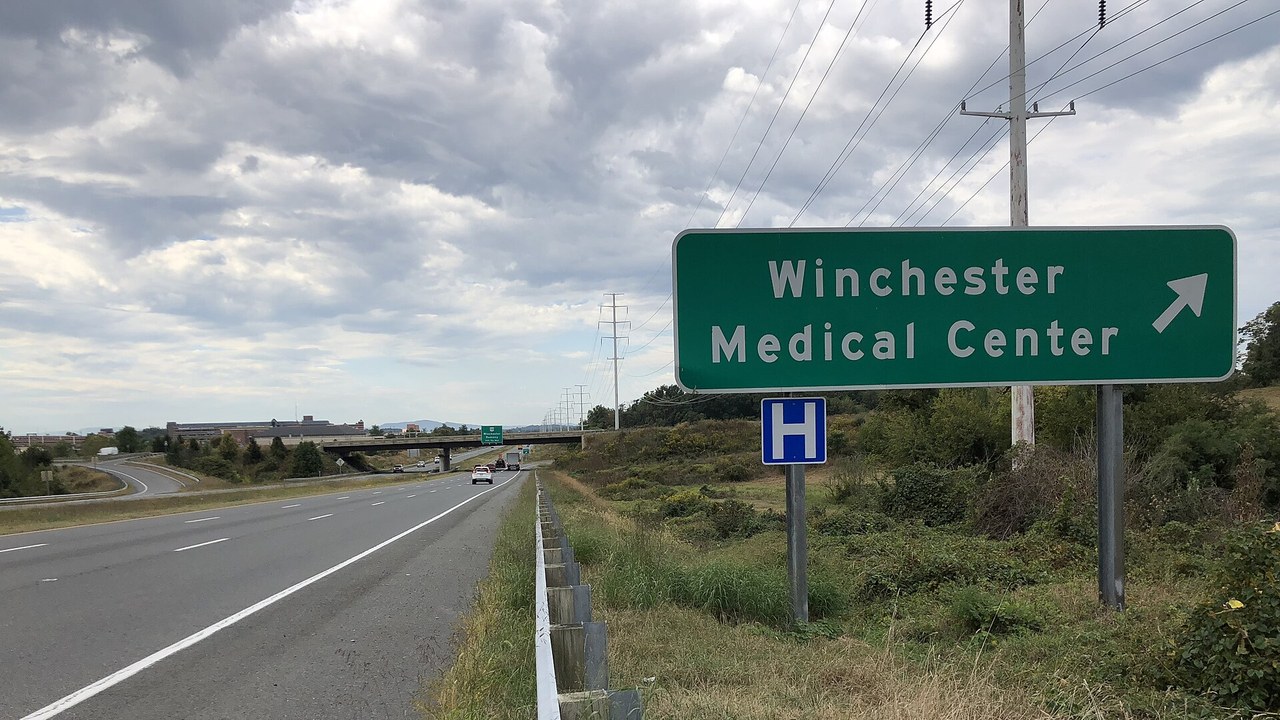
Valley Health System, the largest hospital network serving the northern Shenandoah Valley out of Winchester, Virginia, is going out of network for UnitedHealthcare Medicare Advantage members on October 1, 2026. The break comes after UnitedHealthcare rejected Valley Health’s proposal to renew their contract, and it lands roughly two weeks before the Medicare Annual Enrollment Period opens, leaving affected patients to sort out their options in the gap between losing in-network access and being able to switch plans. For an older patient with a standing relationship with a Valley Health cardiologist or oncologist, the change can mean paying out-of-network rates or losing that provider outright unless a narrow set of protections applies.
What Actually Ends October 1
Valley Health’s own patient notice states the fact plainly: “UnitedHealthcare has notified Valley Health that it rejects Valley Health’s proposal to renew its contract for group and individual UnitedHealthcare Medicare Advantage plans past the current contract termination date of September 30, 2026.” UnitedHealthcare’s own member-facing notice, last updated August 7, 2026, confirms the same date from its side: “Valley Health’s hospitals, facilities and physicians throughout Virginia and West Virginia will be out of network for people enrolled in UnitedHealthcare Medicare Advantage individual plans and Group Retiree plans, beginning Oct. 1, 2026.” As of today, nothing has changed yet — Valley Health’s notice tells patients to keep scheduled appointments and continue receiving care as normal through September 30, and neither company’s current notice, nor any subsequent local reporting on the dispute, indicates the two sides have since reached a new agreement or pushed the date back.
What the plan letter does not do: An Annual Notice of Change lists what changed, but never compares the plan against the alternatives on cost, drugs and doctors. Run the comparison in The 2027 Medicare Open Enrollment Decision Kit.
Who Is, and Is Not, Affected
Valley Health’s notice draws a sharp line between plan types. Individual and group Medicare Advantage plans lose in-network status October 1. Left untouched: Medicare Supplement (Medigap) plans, commercial employer or marketplace coverage, UnitedHealthcare Community Plan and Cardinal Care Medicaid coverage, Dual Special Needs Plans, and the Community Care Network for military veterans — Valley Health and UnitedHealthcare separately extended their Medicaid contract even as the Medicare Advantage contract lapses. A patient checking whether the change applies to them needs to look at their insurance card: a plan marked D-SNP, a Medigap policy, or straightforward Medicaid coverage keeps its current access at Valley Health with no change in cost or coverage.
The Timing Problem: A Mid-Year Exit Outside Open Enrollment
Most Medicare Advantage members can only change plans during the Annual Enrollment Period, which runs October 15 through December 7 each year, or during a separate Medicare Advantage open enrollment window from January 1 through March 31. Because Valley Health’s contract ends September 30 — two weeks before Annual Enrollment opens — patients face a stretch where their hospital system is already out of network but their normal chance to pick a new plan has not yet arrived. Valley Health’s notice points affected patients toward two narrower options in the meantime: a Special Enrollment Period, which the Centers for Medicare and Medicaid Services must approve case by case for situations involving a significant disruption in network access, and Continuity of Care protections, which — if UnitedHealthcare approves them — let a patient keep seeing a Valley Health provider at in-network rates for a limited period during active treatment such as a scheduled surgery or ongoing cancer care. Details on how the standard Annual Enrollment Period works are laid out on Medicare’s own open enrollment page, which Valley Health’s notice points patients toward directly.
Why Two Large Organizations Are Fighting Over the Contract
Valley Health frames the standoff as more than a dollar figure. Its notice states the system “is also seeking to address issues that affect patient care, including administrative requirements, denials, delays, and other barriers that can impact access to medically necessary services,” alongside a contract that “fairly supports the cost of providing healthcare and maintaining access to local services.” The notice does not disclose UnitedHealthcare’s specific counteroffer or reasoning, only that UnitedHealthcare rejected Valley Health’s proposal without countering. Valley Health also cites broader financial pressure facing hospital systems generally, including inflation and cuts to Medicaid reimbursement, as part of the backdrop to the dispute — a pattern mirrored elsewhere this year, including a separate, unrelated contract dispute between UnitedHealthcare and Lehigh Valley Health Network in Pennsylvania.
What a Patient With a Scheduled Appointment Should Actually Check
Valley Health’s notice is explicit that decisions about appointments scheduled after October 1 should be based on guidance from UnitedHealthcare, not assumptions. A patient in the middle of an active treatment plan — pregnancy care, a recent cancer diagnosis, a scheduled surgery — may qualify for continuity-of-care coverage at in-network rates, but only if UnitedHealthcare approves the request, and the notice recommends contacting UnitedHealthcare’s customer service line directly to start that process before making any changes. Emergency care at Valley Health remains covered regardless of network status under federal law, regardless of what happens to the contract. Patients in Virginia can also reach the state’s State Health Insurance Assistance Program through the Department for Aging and Rehabilitative Services for free, one-on-one counseling on their specific plan and situation; West Virginia residents have a separate SHIP line.
The Broader Pattern Behind One Local Dispute
Valley Health is not an isolated case. UnitedHealthcare has landed in similar public standoffs with other regional systems this year, including Lehigh Valley Health Network in Pennsylvania, as hospitals push back on Medicare Advantage reimbursement rates and prior-authorization practices rather than traditional Medicare terms. For a Winchester-area retiree, the immediate question is narrower than that pattern: whether a specific doctor, specific hospital and specific plan will still line up after October 1, and whether the Annual Enrollment Period beginning October 15 is the moment to make a change rather than wait and hope the contract dispute resolves itself.
Reading an Advantage Plan’s Network List Before, Not After, a Contract Lapses
A network exit like Valley Health’s shows up on an insurer’s own provider directory well before most members notice, and the same directory gaps that flag a coming dispute also show up plan by plan during Annual Enrollment, when a plan’s provider list, drug formulary and total cost can shift even without a public dispute making news.
The 2027 Medicare Open Enrollment Decision Kit is a 42-page decision kit built around a cost calculator spreadsheet that compares plans on cost, drugs and doctors, a prescription-by-plan comparison, and a provider call script for confirming network status directly.
See the provider call script in The 2027 Medicare Open Enrollment Decision Kit.
This article was produced with AI assistance and reviewed by a human editor. Figures are linked to their primary sources.


