
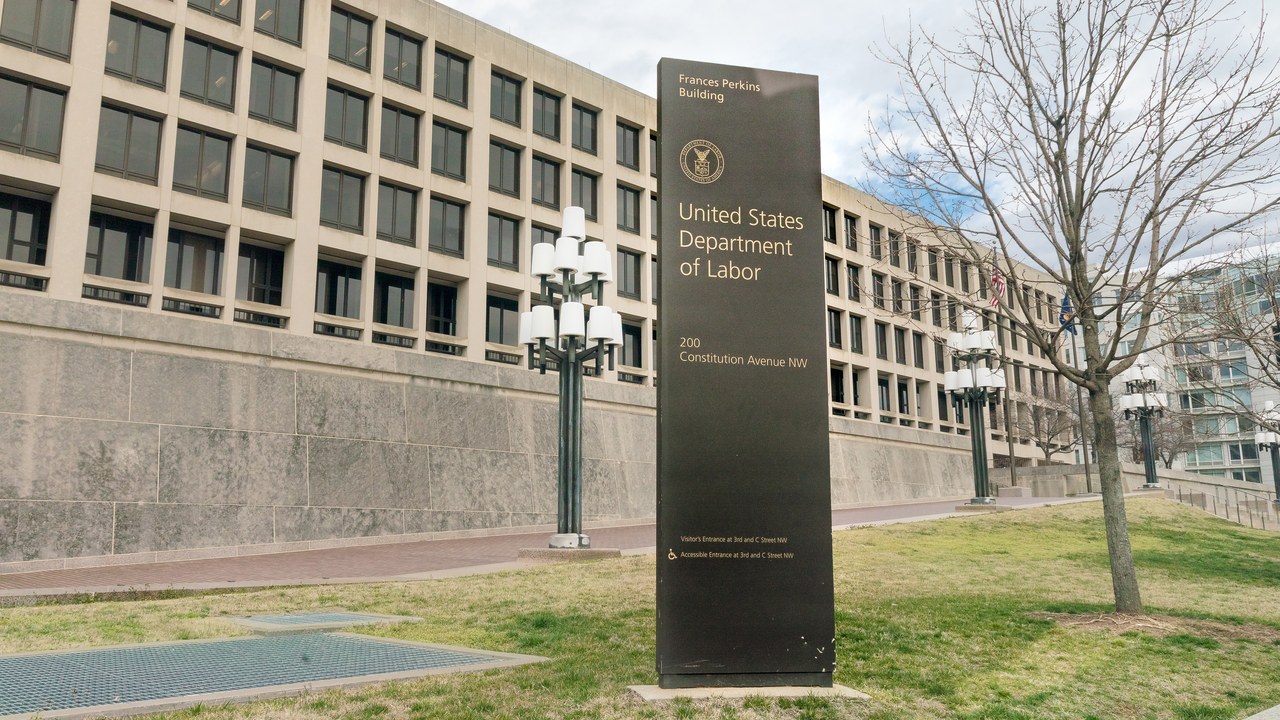
The Department of Labor’s enforcement arm closed out its fiscal year with the largest wage-recovery total in six years. Investigators inside the Wage and Hour Division built cases against employers who shorted paychecks — some through unpaid overtime, some through flat minimum-wage violations — and by the close of the fiscal year the agency had traced a quarter-billion dollars in unpaid wages back to the people who had earned it. That money did not move as one lump-sum settlement; it went out, and in some cases is still going out, case by case and worker by worker, sometimes years after the underpayment happened.
A Record Recovery Year for Wage and Hour Enforcement
In fiscal year 2025 — the 12 months that ended September 30, 2025, the year the division’s own announcement calls “last year” — the Wage and Hour Division recovered more than $259 million in back wages for 176,957 employees nationwide, according to the division’s year-end data summary. The same summary reports that the impact of those recoveries averaged $1,465 per worker, a figure produced by dividing the total recovered by the number of people who received something, not a fixed amount any individual worker was handed.
Announcing the total on January 8, 2026, Wage and Hour Division Administrator Andrew Rogers tied the number to the agency’s broader enforcement posture rather than presenting it as a routine tally. “Under the leadership of President Trump and Labor Secretary Chavez-DeRemer, the Department is enforcing the laws fully and fairly to promote equal competition for all job creators while protecting the rights and earnings of American workers,” Rogers said in the agency’s announcement of the recovery. The release noted that fiscal 2025 produced more back wages than any year since 2019, a comparison the division offered as evidence that enforcement had intensified rather than eased.
Inside the guide: Eleven benefit programs, the 2026 income limits and a 50-state phone directory, with a printable tracker that comes with the download. Open The Benefits Checklist.
What Counts as a Back-Wage Recovery
A back-wage recovery, in the division’s own accounting, is not a fine paid to the government — it is money an employer already owed an employee under a federal wage law, most often the minimum-wage or overtime provisions of the Fair Labor Standards Act, that investigators determined had gone unpaid. An employer might have excluded a bonus from the regular rate used to calculate overtime, classified an hourly worker as exempt when the job did not qualify, or simply paid below the federal minimum wage for certain shifts. Once the division confirms the shortfall, the recovery is the employer paying the employee the difference that was already owed — the underlying wage, not a separate penalty layered on top of it.
How a Worker Learns Money Is Waiting
The division says it tries to locate and notify every employee it determines is owed money as soon as a case closes, but that effort does not always succeed on the first try — people move, change jobs, or never see a mailed notice. For workers the division has not reached, it built a self-service search called Workers Owed Wages, where a worker looks up a current or former employer by name to see whether the division is holding money connected to that company.
A match does not release money automatically. The worker submits contact information, and the division follows up with a Back Wage Claim Form — Form WH-60 — and instructions to create a login.gov account and upload identifying documents, such as a Social Security card, a driver’s license or state ID, or a recent pay stub or W-2. Once the signed form and documents are submitted, the division says it typically processes payment within about six weeks. Unclaimed money does not disappear right away either: the division holds it for three years while the search for the worker continues, and only after that window closes does federal law require sending the funds to the U.S. Treasury instead of the worker.
Why $1,465 Is an Average, Not a Payout
The $1,465 figure attached to this year’s total is a mean, produced by dividing the full $259 million by the 176,957 people who received something, and it is not what any individual worker actually got. A worker who lost years of unpaid overtime because a job was wrongly classified as exempt might see a recovery running into many thousands of dollars; a worker shorted on a handful of underpaid shifts might see far less than the average. The figure describes fiscal 2025’s recoveries in aggregate, not a payment amount tied to any single name.
The division framed the average a different way, translating $1,465 into what it buys for someone earning near the federal minimum wage: more than six weeks of groceries, over three months of a typical utility bill, more than a month of rent, or upward of seven weeks of child care, based on the agency’s own calculations using Bureau of Labor Statistics wage data. Framed that way, the number reads less like an enforcement statistic and more like a description of what one missed paycheck, recovered late, can mean for a household budget.
The Employer Side: Fixing Mistakes Before an Investigation Starts
Not every dollar in the fiscal 2025 total came from an investigation the division opened on its own. Some employers report themselves through the Payroll Audit Independent Determination program, which lets an employer that finds a wage error in its own payroll records self-audit the mistake, calculate what is owed, and pay every affected employee the full back wages due without the case turning into litigation. An employer accepted into the program must pay what it owes within 15 days of the division reviewing the numbers, and employees keep the right to decide whether to accept the payment at all — the division does not force anyone to sign away other claims they do not want to release.
What a Recovered Paycheck Does Not Cover
A back-wage recovery from the Wage and Hour Division closes one specific gap: money an employer should have paid in the first place. It does nothing for the bills that keep coming once that recovery is spent, and it says nothing about the benefit programs that exist entirely separately from any wage dispute with an employer. Nobody prints a list of what else a fixed income might qualify for next to a Back Wage Claim Form, and most people never go looking for one.
The Benefits Checklist is a 69-page guide covering 11 benefit programs with the 2026 income limits for each one.
See the 11 programs and their 2026 income limits in The Benefits Checklist.
AI-assisted research and drafting; reviewed by an editor.


