
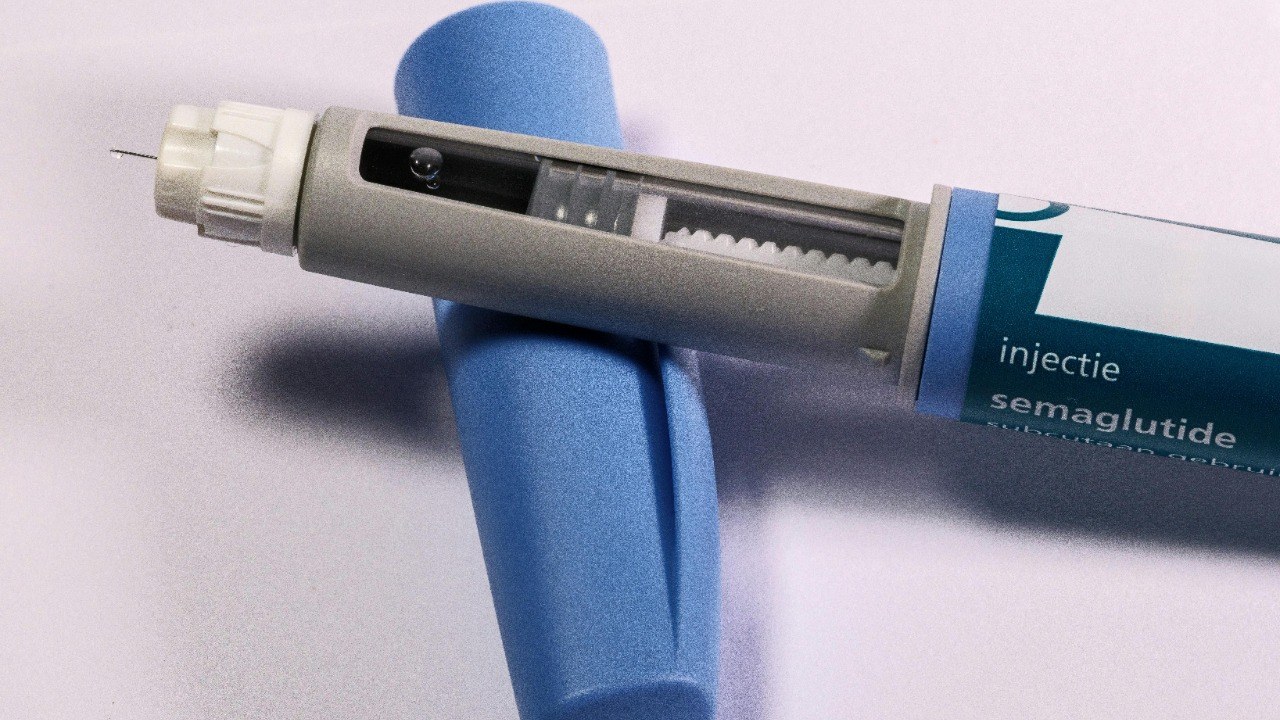
Medicare’s drug benefit does not usually charge every enrollee the same flat rate for a prescription, regardless of income. One temporary federal arrangement does exactly that for a narrow group of weight-loss prescriptions, and the government’s own account of upcoming coverage changes confirms the rate is staying in place. The arrangement did not begin as a 2027 feature — it started more than a year earlier, and federal officials decided this fall to keep it running rather than let it lapse. The details, down to which brand names qualify and which do not, come from the same federal publications that beneficiaries use to plan for the coming enrollment season.
Why the Bridge Carries Into 2027
The program is called the Medicare GLP-1 Bridge, and it launched on July 1, 2026, giving people enrolled in Medicare Part D drug coverage a path to certain GLP-1 medications for weight loss, priced outside the normal Part D benefit structure. The Centers for Medicare & Medicaid Services lists the Bridge among the items under “What’s new” in Your Medicare in 2027: What’s New & Changing, its official September 2026 guide to coverage changes for the coming plan year, and the guide sets a flat $50 copayment for a one-month supply for anyone who qualifies, regardless of income.
CMS had planned to hand the effort off to a successor demonstration called the BALANCE Model at the start of 2027. That model is not launching on schedule, so the agency is extending the Medicare GLP-1 Bridge through December 31, 2027 instead, keeping the $50 rate and the program’s rules running for a second full year rather than closing it on the original timeline. Part D sponsors are not required to opt in for their members to use the Bridge, so the $50 rate is available to eligible beneficiaries regardless of which drug plan they are otherwise enrolled in.
Where the help is written down: The programs that lower Medicare costs each run on a different form and a different office, and no single notice lists them together. See the state cost-help packs in The Medicare Cost & Coverage Protection Kit.
The $50 Copayment Sits Outside the Part D Deductible
The $50 charge applies per pharmacy pickup, covering either a 28-day or 30-day supply depending on the drug, and it does not move with income the way many Part D costs do. Because Medicare runs the Bridge as a program separate from the standard Part D drug benefit, the payment does not count toward the yearly Part D deductible or out-of-pocket limit, does not appear on a Part D Explanation of Benefits or a Medicare Summary Notice, and cannot be lowered through Extra Help, the assistance program that reduces Part D costs for beneficiaries with limited income and resources. It also cannot be spread across several months through the Medicare Prescription Payment Plan, an option available for most other Part D prescriptions. The program is available nationwide, including every state and U.S. territory, to beneficiaries in a standalone drug plan, a Medicare Advantage plan with drug coverage, a Special Needs Plan, an employer or union group waiver plan, or the Limited Income Newly Eligible Transition program.
Three Brand-Name Drugs, and Only Certain Versions of Each
The discounted rate covers three brand names: Foundayo tablets, Wegovy in either injection or tablet form, and Zepbound, but only the KwikPen formulation — the single-dose Zepbound pen and vials, along with pen needles, are excluded from the program. According to the Medicare GLP-1 Bridge fact sheet, Foundayo was added to the covered list after its FDA approval, and CMS tracks coverage down to the specific National Drug Code for each formulation, updating the list as new versions reach the market. Coverage does not extend to every dose or package of an otherwise-covered drug — the fact sheet lists particular NDCs for Foundayo, Wegovy and Zepbound individually, and a formulation outside that list is not eligible for the $50 rate even if it carries the same brand name.
Eligibility runs on body mass index paired with other health conditions. A beneficiary at least 18 years old qualifies with a BMI of 35 or higher; with a BMI of 30 or higher paired with certain heart failure, uncontrolled high blood pressure, or chronic kidney disease at stage 3a or beyond; or with a BMI of 27 or higher paired with prediabetes, a prior heart attack or stroke, or peripheral artery disease. A beneficiary with type 2 diabetes, moderate-to-severe sleep apnea, or fatty liver disease is excluded from the Bridge rate, though a standard Part D plan may already cover a GLP-1 drug for those conditions, and anyone already receiving a GLP-1 drug through Part D stays on that coverage rather than switching into the Bridge.
A Prior Authorization Has to Clear Before the Pharmacy Fills It
Getting the $50 rate is not automatic. A prescriber has to send the prescription to the pharmacy and, when asked, certify that the drug is part of a lifestyle program built around diet and exercise, then complete a prior authorization before Medicare will cover the claim. For 2026, CMS assigned a single central processor to handle prior authorization, claims adjudication, and pharmacy payment for the entire Bridge program rather than routing each request through a beneficiary’s own Part D plan. A pharmacy may ask for the Medicare Number printed on the card, or the last four digits of a Social Security number if the card is not available, to process the claim. Once approval clears, the beneficiary receives a letter confirming the drug is covered, and a refill on the same medication does not require a new approval unless the dose or the drug itself changes. Switching from one covered GLP-1 to another restarts the process, since the prior authorization is tied to the specific drug first approved. That authorization stays valid through December 31, 2027, matching the program’s extended end date.
Where the Copayment Lands
The Bridge’s flat copayment only applies once a prior authorization clears, and a Bridge denial or delay is not the only place a Medicare drug claim can stall — a prior authorization can be denied or held up on plenty of other prescriptions with no separate program behind them to smooth the process. The same guide that confirms the Bridge’s 2027 extension also flags a new Part D out-of-pocket cap and other cost changes landing the same year, which most beneficiaries have no single place to track.
The Medicare Cost & Coverage Protection Kit is a 10-page kit covering the prior-authorization appeal steps, the new Part D out-of-pocket cap, and a medication and cost tracker.
See the prior-authorization appeal steps and the Part D out-of-pocket cap details in The Medicare Cost & Coverage Protection Kit.
AI-assisted research and drafting; reviewed by an editor.


