
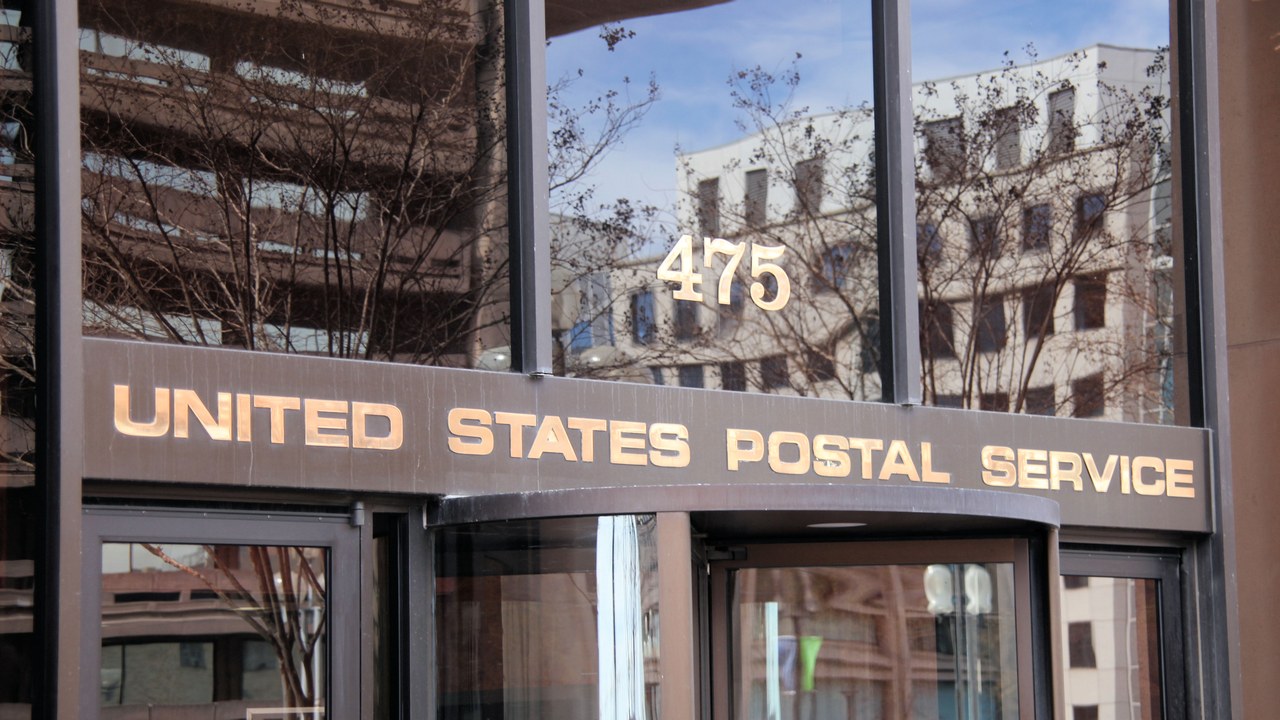
A check from the Federal Trade Commission looks like a straightforward refund sitting in the mailbox, but it comes with a printed expiration date almost nobody reads twice. Every consumer redress check the agency mails carries an instruction that it must be cashed within 90 days of the date it was issued, and once that window closes, the paper stops being worth anything at a bank counter. Consumers who get their share of an FTC settlement through PayPal instead of the mail work against an even shorter clock: 30 days to accept the payment before it lapses. Neither deadline is a one-off condition attached to a single case; the same wording shows up on checks tied to completely unrelated enforcement actions months apart.
The 90-Day Line the FTC Prints on Every Redress Check
In July 2026, the FTC mailed 9,419 checks worth more than $672,000 to consumers deceived by the marketer behind Trend Deploy, and its own announcement of that payout told recipients they should cash their checks within 90 days, as indicated on the check. Seven months earlier, when the agency sent more than $27.6 million to upward of 1.2 million people harmed by unauthorized billing schemes run through Legion Media and related companies, its payout announcement repeated the identical instruction almost word for word, and added that PayPal recipients in that case had 30 days to redeem their payments.
Two cases, two different companies accused of two different kinds of deception, two separate refund administrators handling the money — and the same 90-day line on the check itself. That repetition across unrelated programs is what makes the rule a standing practice rather than a one-time note: the deadline is not a term the FTC negotiates case by case, it is built into how the agency issues the check. The FTC currently pays consumers through checks, prepaid debit cards, PayPal, and Zelle, and the 90-day cash-by rule is specific to the mailed paper check.
Free download: Current open settlements with their claim deadlines, how to confirm a claim is real, and a filing and payment tracker. Get the free open settlements tracker.
Why a PayPal Refund Runs on a Faster, 30-Day Clock
The FTC’s own refund program FAQ confirms the agency sometimes routes money through PayPal instead of the mail, and that it sends an email from a .gov address to warn recipients before any PayPal payment goes out. Moving money electronically clears far faster than a mailed check reaches a bank, which is part of why PayPal recipients get roughly a third of the time — 30 days instead of 90 — to accept the transfer before it reverts.
The same FAQ shows what happens when the two systems collide. If someone wants a mailed check instead of an expired PayPal payment, the agency first has to wait for PayPal to send the unclaimed money back, and only then can it start the paperwork for a replacement check — a process the FTC says takes at least 45 days from the original payment date before the new check goes out. A missed 30-day PayPal window does not just cost the redemption itself; it adds weeks of processing on top of whatever delay was already built into the case.
A Missed 90-Day Window Doesn’t Automatically Mean Lost Money
Letting a check go stale is not necessarily the end of a refund. The FAQ states that if money remains in a case’s settlement fund, the FTC “may be able to reissue” a payment to someone whose check already expired, and that it generally processes reissue requests about once a month once the first round of payments has gone out.
Nothing about that reissue happens on its own, though. A consumer has to call the refund administrator named on the original check or claim letter — the FTC currently contracts with five firms, including Rust Consulting, JND Legal Administration, and Epiq Systems, to run these programs — and ask directly whether money is still available, since policies and remaining balances differ from case to case. Anyone who has lost track of that letter can find the administering company and its phone number for any open program at the FTC’s own refunds directory, the same page both the Trend Deploy and Legion Media notices point recipients toward.
The Deadline No Check Ever Explains
A 90-day window is easy to miss when a check arrives folded inside a form letter with no calendar attached, and most households have no ongoing system for tracking a payment that shows up once and is never expected again. A second settlement can land later on its own printed schedule, from its own administrator, with its own set of rules to notice before the paper goes stale. Nothing about the process tells a recipient in advance which open cases still have money waiting or which claim letters are genuine.
The Settlement & Refund Recovery System pairs a current list of open settlements and the 4 scam-proof rules for telling a real FTC payment from an imitation.
Open the step-by-step filing guide in The Settlement & Refund Recovery System.
AI-assisted research and drafting; reviewed by an editor.


