
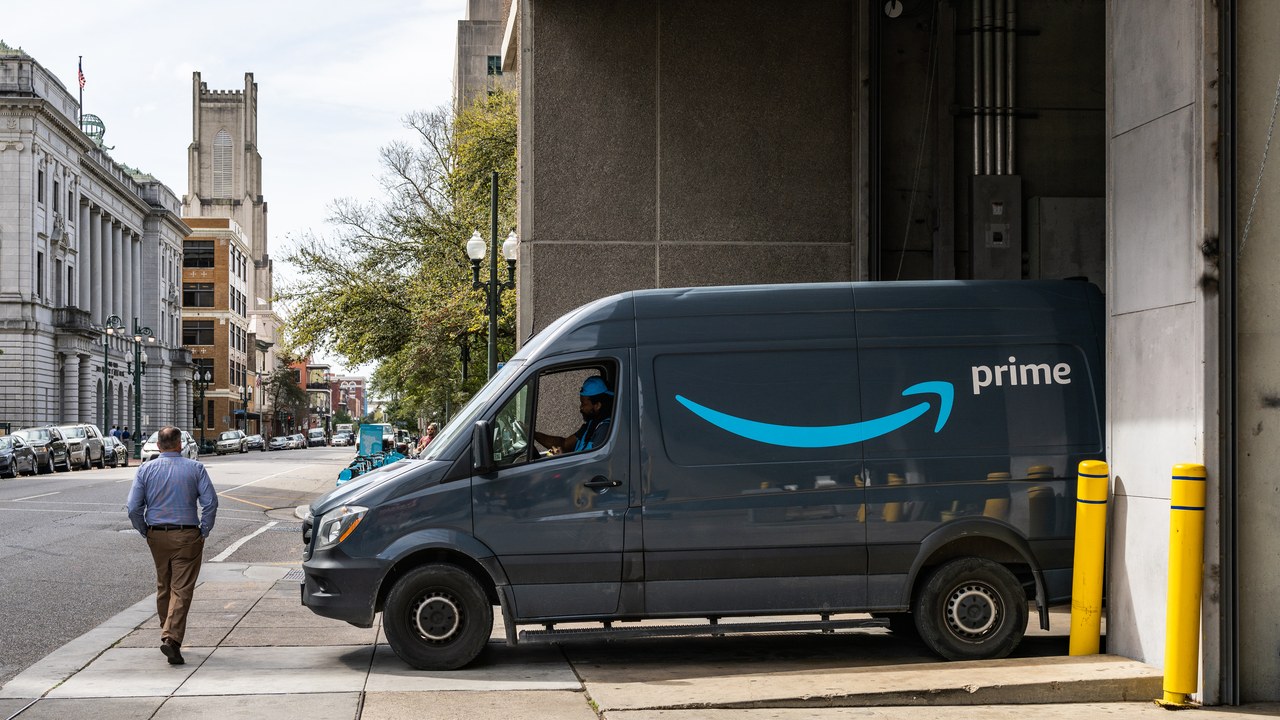
Amazon customers who used more than 10 Prime perks in a single year — fast shipping, Prime Video, Prime Music, grocery discounts and the rest — collected nothing when the company’s first rounds of refund checks went out under its 2025 settlement with the Federal Trade Commission. A federal court this week signed off on a revised payment plan that finally reaches that group of moderate-to-heavy Prime users. Starting next month, millions of them will begin receiving money automatically, with no form to fill out, no notice to respond to and no deadline to track.
A $2.5 Billion Settlement That Paid Its Lightest Users First
The refunds trace back to an FTC case accusing Amazon of enrolling shoppers in Prime through confusing checkout screens, then burying the cancellation button behind a maze of additional pages. Amazon settled rather than take the allegations to trial, agreeing to redesign its enrollment and cancellation flows and to fund a redress program for consumers the agency said had been swept into subscriptions they never wanted.
That September 2025 settlement set Amazon’s total bill at $2.5 billion, split between a $1 billion civil penalty and $1.5 billion set aside for the roughly 35 million consumers the FTC said were harmed by the enrollment and cancellation practices.
The redress fund was never built to reach all 35 million consumers on the same day. Under the order as first written, Amazon owed capped refunds of $51 only to consumers who used fewer than 10 Prime benefits in a 12-month period, with the lightest users paid first and heavier users left for later rounds that had no firm date attached.
Free download: Current open settlements with their claim deadlines, how to confirm a claim is real, and a filing and payment tracker. Get the free open settlements tracker.
Free download from RetireShield. Getting it also signs you up for the free Retirement Money Brief, a weekday email. Unsubscribe anytime.
The Escalation Round Amazon’s Own Order Never Reached
Court filings show why the 11-to-20 group sat outside every payment round for so long. The stipulated order Amazon and the FTC filed with the U.S. District Court for the Western District of Washington shows the fund paid its lightest users first: Amazon issued more than 12.5 million automatic payments worth over $406 million by December 2025 to consumers who used three or fewer benefits, and by a later compliance report roughly 6.6 million of those consumers had accepted their money. Beyond that group, the order called for expanding automatic payments only one benefit at a time — first to consumers who used no more than four benefits, then five, then six — until $1 billion had been claimed from the fund. At that pace, the filing states, households in the low-teens range of Prime usage would not have reached a payment until many months past the fund’s original closing date of January 25, 2027.
Rather than continue that slow, benefit-by-benefit crawl, Amazon and the FTC asked the court to let the company jump ahead and pay the entire 11-to-20 group in one combined batch instead. The judge signed the order on September 14, 2026, clearing Amazon to begin issuing the payments — by Venmo, PayPal or mailed check — on October 1, and specifically excluding anyone who had already received money in an earlier round.
The order also gives the newly added group a clock of its own: consumers have 60 days to accept a payment once it is issued, and any payment left unclaimed will be voided by March 5, 2027, with no promise of reissue.
No Claim Form, Unlike the Group Filed Just Ahead of Them
That automatic structure sets the newly added group apart from the consumers who qualified for the settlement’s claims process — those who used no more than 10 Prime benefits and were required to submit a claim form to collect a payment. That filing window closed on July 27, 2026, and is no longer open to late filers. Consumers landing in the 11-to-20 range face no such deadline: they do not need to contact Amazon, submit documentation or respond to any letter or email to receive their money, since Amazon is drawing on its own enrollment and usage records to identify who qualifies.
That automation cuts against the usual advice to be suspicious of unsolicited refund offers, which is exactly why the FTC keeps repeating one warning throughout the rollout: the agency itself never calls, texts or emails consumers about the Amazon refunds, and anyone who does — especially anyone asking for a fee, a bank account number or personal information to “release” a payment — is running a scam. Amazon administers the payments; the FTC does not process claims or collect payment details from consumers directly.
As of this month, Amazon has issued more than $845 million of the $1.5 billion set aside for consumers, according to the FTC’s September 17 announcement of the revised order. That leaves hundreds of millions still due to move through the 11-to-20 group’s October payments and a final round of top-up payments — up to $149 per household on top of whatever a consumer already received — that the order schedules for no later than April 2027. The settlement itself now runs through September 2027, with a final compliance report due to the court a month later, so households in any of the payment tiers should expect the fund to keep working through their money well into next year.
Keeping Track of a Refund That Skips the Paper Trail
The automatic nature of this payment round means many households will have no claim number, no confirmation email and no filing record to point to if a payment goes missing or a look-alike message shows up asking to “confirm” it. That gap sits alongside a wider pattern: dozens of consumer settlements open and close on their own schedules every year, most with no automatic notice at all when a deadline is approaching.
The Settlement & Refund Recovery System is built around a current list of open settlements, the 4 scam-proof rules for spotting a fake refund message, and a claims submission log for keeping a personal record of what was filed and when.
See The Settlement & Refund Recovery System.
AI-assisted research and drafting; reviewed by an editor.


