
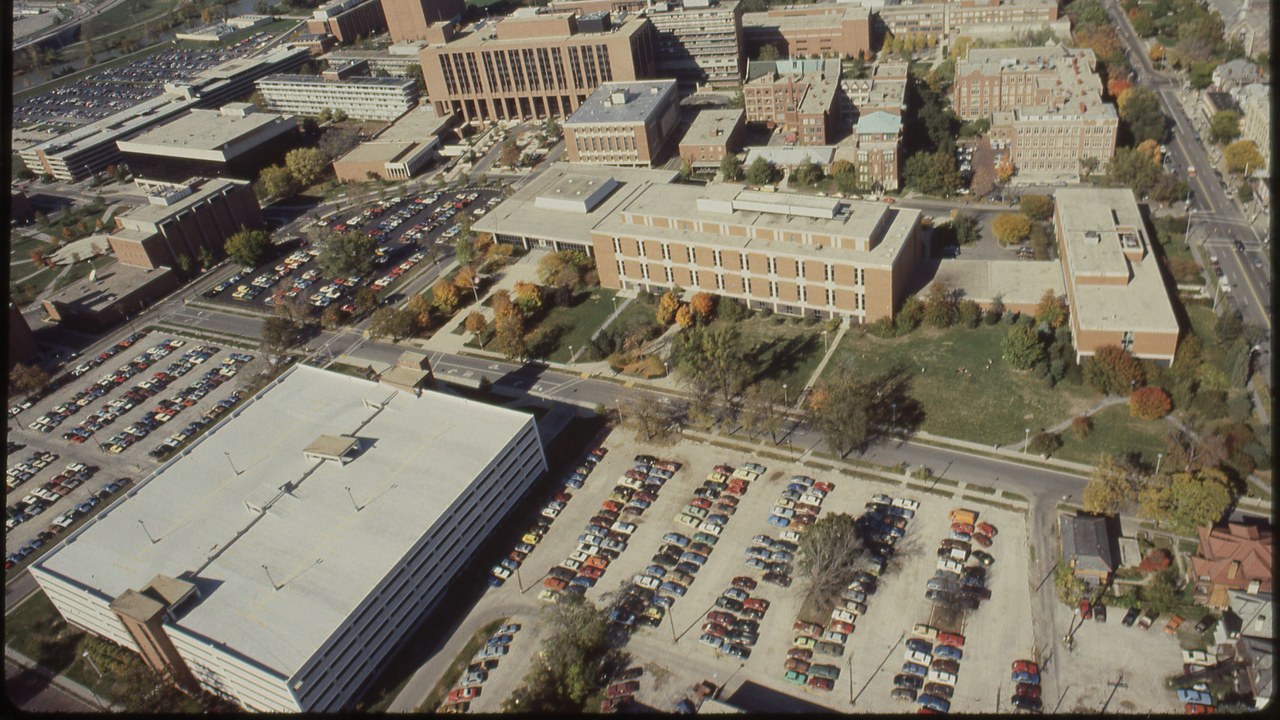
Two nationally known hospital systems are on track to leave the same type of insurance network on the same date: October 1. In Columbus, Ohio State’s Wexner Medical Center loses in-network status with Humana for people who bought a Medicare Advantage plan on their own rather than through a former employer. In New York, NewYork-Presbyterian is set to lose in-network status with UnitedHealthcare for most Medicare Advantage members unless the two sides sign a new contract in the next two weeks. For a retiree with surgery, chemotherapy or a standing specialist appointment at either system, the date lands shortly before Medicare’s annual enrollment window opens, leaving little time to sort out whether next year’s plan still covers the hospital they use.
Humana’s Split Deal With Ohio State’s Wexner Medical Center
Humana and Ohio State’s Wexner Medical Center reached a partial agreement that splits their contract in two: one outcome for group and Medicaid coverage, another for people who buy an individual Medicare Advantage plan on their own. The split means the hospital system does not exit Humana’s network wholesale, but a meaningful slice of its Medicare patients still lose in-network access on October 1.
Humana’s own statement on the dispute, updated September 4, confirms Wexner Medical Center, The James Cancer Center and its affiliated physicians remain in-network for Humana Medicaid and Group Medicare members through 2027, while individual Medicare Advantage members lose in-network access to the same facilities starting October 1. Humana’s FAQ limits continuity-of-care support to members with certain medical conditions who are already receiving treatment, and directs everyone else toward its member services line to find a new in-network provider.
Free download: How to read the Annual Notice of Change, spot the cost, drug and network changes, and decide whether to keep or switch. Get the free 2027 plan-change checklist.
Free download from RetireShield. Getting it also signs you up for the free Retirement Money Brief, a weekday email. Unsubscribe anytime.
NewYork-Presbyterian’s Contingent Deadline With UnitedHealthcare
NewYork-Presbyterian’s own coverage-change page, last updated August 27, describes a dispute that has not been resolved. The hospital system and UnitedHealthcare have agreed to extend in-network coverage only through September 30, “while negotiations continue,” according to the notice, and no new contract has been announced since. If the two sides do not reach one by that date, NewYork-Presbyterian Hospital, its medical groups and its affiliated facilities become out-of-network for most UnitedHealthcare Medicare Advantage members starting October 1, with people already mid-treatment kept at the in-network rate through December 29.
The notice carves out exceptions that change the math for some retirees. AARP Medigap and Supplemental policies, along with Group Retiree PPO plans, are not affected by the dispute at all, while people on individual HMO or POS Medicare Advantage plans face the full loss of in-network status. NewYork-Presbyterian says doctors at ColumbiaDoctors and Weill Cornell Medicine will keep seeing UnitedHealthcare patients regardless, but the hospital services those doctors order (lab work, imaging, inpatient admission) would stop being covered as in-network once the deadline passes.
The Federal 90-Day Window for “Continuing Care Patients”
Both disputes sit on top of a federal safeguard that exists no matter which insurer’s transition policy is stricter. CMS’s own guide for patients whose doctor is leaving their network describes a “continuing care patient” protection available under most types of health insurance: someone undergoing treatment for a serious and complex illness, receiving institutional or inpatient care, scheduled for non-elective surgery, pregnant and in treatment, or terminally ill can keep seeing the outgoing provider at the in-network rate for up to 90 days after the network relationship ends.
Neither hospital system’s own notice hands that floor over without qualification. Humana’s FAQ, as described above, narrows continuity-of-care support to members with certain medical conditions who are already receiving treatment, leaving it to the member to confirm they qualify. NewYork-Presbyterian’s arrangement with UnitedHealthcare lands closer to the federal standard on its face: people already mid-treatment keep the in-network rate through December 29, almost exactly 90 days after the October 1 cutoff.
Why October 1 Lands Before Medicare’s Enrollment Window Opens
Medicare’s own enrollment page sets this fall’s Open Enrollment period at October 15 through December 7, with any plan change made inside that window taking effect January 1, 2027, not right away. Both hospital systems’ network changes land two weeks before that window opens, which means a retiree who needs a covered appointment, scan or admission between October 1 and October 14 has no enrollment mechanism available yet to react to the loss of network status.
Even once the window opens, switching plans does not close that gap. A Medicare Advantage member who enrolls in a different plan on October 15 still carries the old plan, and the old plan’s now-lapsed hospital contract, through December 31; the new coverage does not start until January 1, 2027. For someone with ongoing care at Wexner Medical Center or a NewYork-Presbyterian facility, the practical window of exposure between an October 1 network exit and a January 1 fix runs roughly three months no matter which plan they eventually pick.
Comparing Plans Before Both Networks Change
Neither hospital’s notice can tell a retiree whether their own doctor, drug list or hospital will still be covered next year; that comparison has to happen plan by plan. NewYork-Presbyterian directs affected members to Medicare’s own plan-comparison tool to check whether a different Medicare Advantage plan or a Medigap policy still reaches the doctors and hospitals they currently use, and to call the number on the back of the insurance card with questions specific to switching. Humana points individual Medicare Advantage members toward its customer service line to locate a new in-network provider, since changing insurers outside a qualifying event or enrollment period is not automatic.
Both notices are explicit about the one thing that does not change. Humana’s FAQ and NewYork-Presbyterian’s own coverage page each confirm that a Medicare Advantage member who reaches an emergency room, at either hospital system, is covered at the in-network rate regardless of which insurer’s contract has lapsed.
Sorting 2027 Medicare Advantage Options Around Two Shifting Networks
The article above names the date each network changes, but neither hospital’s notice tells a retiree which of next year’s plans still covers their own doctors, prescriptions and preferred hospital in one place. That comparison usually means matching a stack of Annual Notice of Change letters against a provider directory that reflects only one insurer’s current network. The 2027 Medicare Open Enrollment Decision Kit is built to put that comparison in one document instead of several.
The 2027 Medicare Open Enrollment Decision Kit is a 42-page decision kit with a cost calculator spreadsheet that compares plans on cost, drugs and doctors, a prescription-by-plan comparison, a provider call script, and the Open Enrollment calendar.
Compare next year’s options inside The 2027 Medicare Open Enrollment Decision Kit.
AI-assisted research and drafting; reviewed by an editor.


