
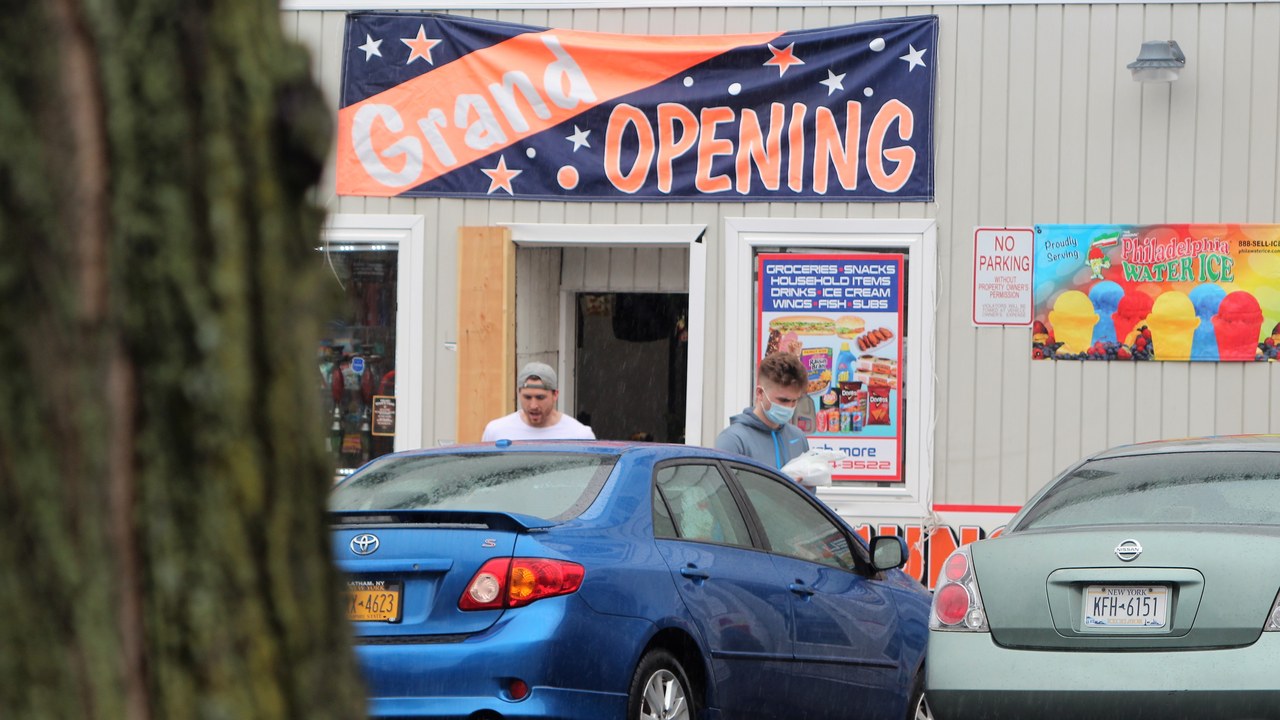
Ten years after Congress first ordered a tougher stocking test for small grocers, the rule is finally set to bite. Beginning Nov. 4, 2026, any Supplemental Nutrition Assistance Program retailer other than a specialty food store — most corner stores, dollar stores, gas station marts and small groceries — must keep a minimum of 84 stocking units of staple food on its shelves at all times or lose the ability to run SNAP benefit cards altogether. Nothing about what a shopper can buy with a benefits card is changing; what is changing is which cash registers are still allowed to ring one up. The standard applies the same way to a supermarket chain and a single-register market on the corner, and there is no phase-in beyond the one federal deadline.
Seven Varieties, Three Units, Four Categories: How 84 Stocking Units Add Up
The number is not arbitrary. Retailers must stock at least seven distinct food varieties in each of four staple categories — dairy, grains, protein, and vegetables or fruits — and each variety needs a minimum of three stocking units, whether that unit is a bag, a box, a can or a single item sold on its own. Seven varieties times three units times four categories works out to 84 stocking units, and the requirement runs on what regulators call a continuous basis, meaning the shelf has to look that way on any ordinary day of business, not just when an inspector walks in.
Stores also have to keep at least one perishable variety — something that would spoil within two or three weeks at room temperature — in three of the four categories, up from two categories under the older standard. A retailer could clear the dairy category with plain milk, buttermilk, yogurt, sour cream, cottage cheese, shredded cheddar and soy milk, according to the updated stocking standard USDA published, which also confirms the rule changes nothing about what a SNAP household is allowed to buy — only which store can still accept the card, and that a store that misses the mark is withdrawn from the program and can reapply only six months later.
The other two categories work the same way. A store could satisfy the protein requirement with chicken breast, ground beef, canned tuna, eggs, peanut butter and lentils, and clear the grains category with sourdough bread, corn tortillas, whole grain spaghetti, brown rice and plain flour. None of that is exotic stock for a full grocery store, but it is a meaningfully longer shopping list than the three-varieties-per-category floor most small retailers have operated under for years.
Free download: The recertification document list, how to handle a missing benefit or skimmed card, and when to ask for a fair hearing. Download the free SNAP checklist.
Free download from RetireShield. Getting it also signs you up for the free Retirement Money Brief, a weekday email. Unsubscribe anytime.
Which Stores Are Most Likely to Struggle
USDA’s own sample compliance lists show a full-size grocery store clearing the bar without much trouble — chicken breasts, canned tuna, dry beans and peanut butter cover the protein category alone. The tighter squeeze falls on smaller formats: convenience stores, dollar stores and gas station marts that stock mostly packaged snacks and drinks but keep only a thin, often non-perishable selection of milk, bread or produce. Those are frequently the only walkable SNAP-accepting option in rural counties and urban food deserts, which is exactly where a withdrawal notice would land hardest.
A store that cannot document 84 stocking units by Nov. 4 does not get a grace period, since the standard applies on a continuous basis starting that day. If it is withdrawn, it can reapply six months later, but in the meantime a household that budgeted its grocery trip around a store two blocks away may need bus fare, a longer trip or a ride to reach the next authorized retailer, turning a stocking-shelf technicality into a real transportation and time cost stacked on top of a fixed monthly benefit.
For the store owner, the math cuts the other way: adding a cooler case, a produce rack or a wider bread selection costs money that a thin-margin corner store may not have to spare, and SNAP sales are often a meaningful share of that store’s total revenue. Some owners will expand their shelves to keep that business; others will let their SNAP authorization lapse rather than absorb the cost, which is its own kind of household consequence even before a single customer notices the change.
A Decade-Old Farm Bill Requirement Finally Taking Effect
The stocking increase itself is not new. The 2014 Farm Bill directed USDA to raise the minimum from three varieties to seven in each category, and a 2016 final rule wrote that into federal regulation. Congress then blocked USDA from enforcing the breadth-of-stock and variety provisions through appropriations riders starting in 2017, on the condition that the department first widen the list of items that count as an acceptable variety. USDA finalized this rule only after floating a proposed version on Sept. 25, 2025 and reviewing the comments that followed from retailers, grocers and anti-hunger groups on both sides of the stocking debate.
USDA’s Food and Nutrition Administration published the rule satisfying that condition on May 8, 2026, set it effective July 7, 2026, and gave retailers until Nov. 4, 2026 to reach full compliance, closing a gap that had kept the 2014 mandate unenforced for nearly a decade. The same notice reclassified butter, jerky, snack bars, shake powders, and cheese and fruit spreads as accessory foods rather than staple stock, so a store can no longer count a shelf of jerky or protein bars toward its 84-unit minimum, even though SNAP shoppers can still buy those items with their benefits.
Renewal Deadlines the Stocking Rule Doesn’t Cover
The stocking rule decides whether a store’s register is still allowed to swipe a benefits card, but it says nothing about whether a household’s own SNAP or Medicaid case is still open on that register in the first place. Recertification paperwork lapses quietly — a missed renewal form, an unreported address change, or a deadline that arrives the same season a nearby store loses its SNAP authorization. A household coping with one disruption rarely has a system in place for the other.
The SNAP & Medicaid Renewal Organizer is a 13-page organizer with 51 state packs, a renewal document checklist, and a renewal and reporting calendar built around the 90-day window after coverage is dropped.
See The SNAP & Medicaid Renewal Organizer.
AI-assisted research and drafting; reviewed by an editor.


