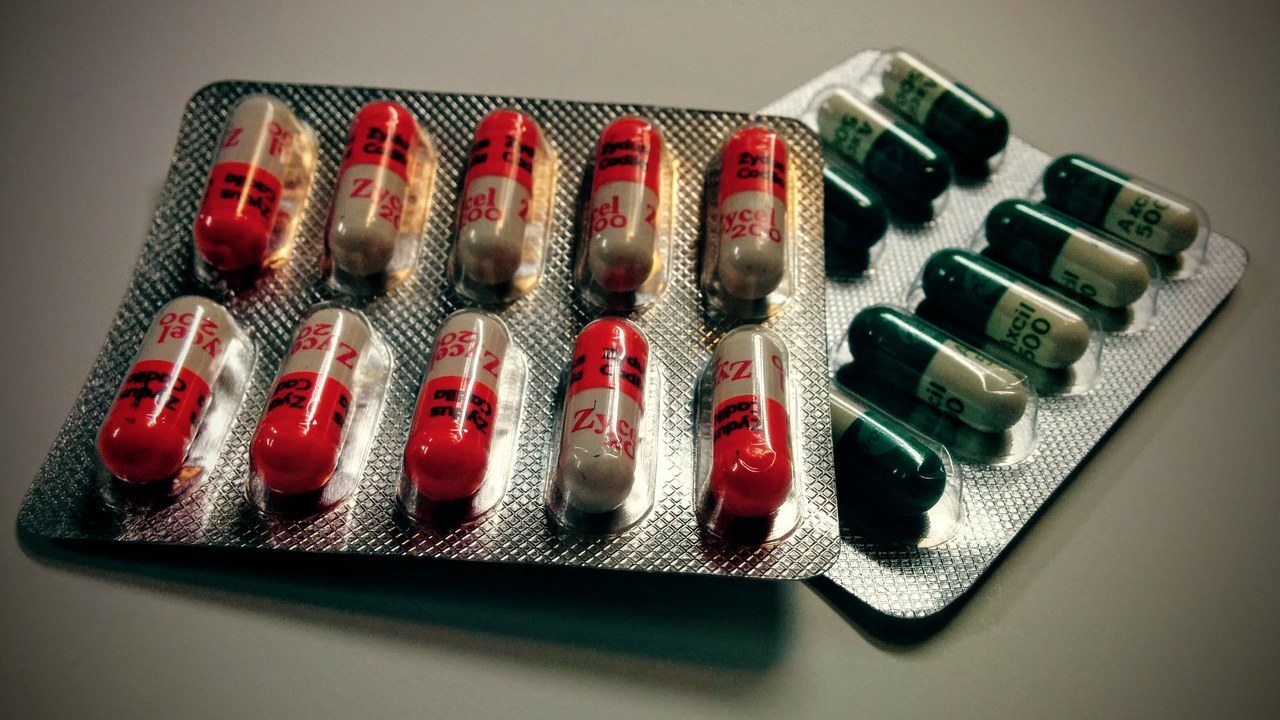
FDA has posted American Regent’s nationwide voluntary recall of three lots of Epinephrine Injection, USP, 30 mg/30 mL (1 mg/mL), a multiple-dose vial used by or under the direction of a physician. The notice describes particulate matter and concerns about sterility, and it identifies a concrete return-and-replacement route for distributors, retailers and health-care facilities.
For patients and households, the important boundary is just as important as the recall itself. This is not the familiar epinephrine auto-injector format, and the FDA-posted announcement says the recalled product is administered intravenously, intramuscularly or subcutaneously by or under a physician’s direction. A person should not try to identify, return or replace a clinic-administered drug without working through the clinician or supplier that handles it.
The three lots in the nationwide recall
The American Regent announcement posted by FDA names lots 25128L1C0, 25280L1C0 and 26108L1C0. All are 30 mL multiple-dose vials bearing NDC 0517-3030-01. The listed expiration dates are August 2026, October 2026 and July 2027, respectively.
The products were distributed nationwide. The first lot was distributed from September 4 through December 18, 2025; the second from December 16, 2025 through April 17, 2026; and the third from June 15 through July 31, 2026. The lot number and NDC, not a general memory of receiving epinephrine, are what identify the recalled drug.
American Regent said customer complaints involved leaking and cracked vials, which can compromise container integrity and sterility. Its investigation also found particulate matter identified as nylon, cellulosic material, acrylic, polyethylene and glass. The notice says the firm had received no reports of adverse events related to the recall at the time of publication.
Free retirement updates: Enrollment and claim windows come and go, and missing one can cost real money. The free Retirement Shield newsletter keeps readers ahead of the deadlines that matter. Sign up free.
Return, replacement and credit information
The company says it is notifying distributors and customers by letter and arranging return, replacement and other handling of recalled products. Its instructions for distributors, retailers and health-care facilities are to stop using the product and return it to the place of purchase or discard it. For detailed return, replacement or credit information, the notice directs callers to American Regent Customer Service at 800-645-1706.
That contact is the financial part of this recall. A qualifying facility should obtain the company’s return/replacement/credit instructions rather than simply writing off inventory or buying replacement vials first. The FDA-posted notice does not specify a dollar amount, a deadline, whether a receipt is needed or whether every type of purchaser receives the same remedy. It would be inaccurate to promise a household a cash refund based on this notice.
Patients who believe a dose may have been administered from a recalled vial have a different action. The announcement tells them to stop using the product and contact a doctor or health-care provider. It also directs anyone with problems possibly related to the drug to contact a physician or provider. The point is not to have a patient pursue a supplier credit personally; it is to let the prescribing or treating team identify whether the product was used and determine appropriate care.
Why the product details matter
“Epinephrine” describes more than one formulation and delivery method. The recalled product is a 1 mg/mL, 30 mL multiple-dose vial. The FDA notice says it can be used for emergency treatment of allergic reactions and for increasing mean arterial blood pressure in adults with hypotension associated with septic shock, but only under medical direction. Those facts make it especially important not to treat the story as advice to delay emergency care or substitute a different product.
The recall’s risk statement is specific: intravenous administration of a vial containing particulate matter can lead to blockage or clotting in blood vessels, including a life-threatening pulmonary embolism, organ damage or death. Cracked vials can also create a risk from lost sterility and contamination. That is why the instruction for inventory holders is to stop using the affected lots rather than inspect a vial visually and decide it is acceptable.
The FDA page is a company announcement posted as a public service, which means the manufacturer’s operational instructions are the controlling instructions on the page. FDA’s role is not to tell an individual whether a medical dose is appropriate. A clinic, pharmacy or treating professional can compare inventory records with the lot numbers and use the manufacturer contact to arrange the correct next step.
Keeping the money claim honest
Recall coverage often jumps straight to the possible harm. That is appropriate here, but it can obscure an ordinary budget question: what should happen to a product that must not be used? American Regent’s answer is not “pay for a replacement and hope for reimbursement later.” It has a return/replacement/credit channel through customer service for affected purchasers and facilities.
There are limits. The announcement does not establish compensation for a medical appointment, travel, unrelated medicine or any health outcome. It does not set a retail refund policy for every pharmacy. It also does not tell someone with an epinephrine auto-injector to stop using it. Limiting the claim to the three listed lots and the manufacturer’s stated contact route keeps the article useful without overstating the remedy.
For an organization that holds the product, the clean record is the NDC, lot number, expiration date, purchase source and any recall letter received. For a patient, the useful record is the treating provider, date of administration if known and a question about whether the recalled product was involved. Those are different records because they lead to different responsibilities.
Keeping Medication Costs in Perspective
A manufacturer recall remedy handles a particular product, while benefit programs can help with other prescription and medical costs. Medicare Savings Programs and Extra Help have separate income and enrollment requirements.
The 69-page guide covers 11 programs, 2026 income limits, a 50-state phone directory and a printable tracker.
See the 11 programs and what each one pays in The Benefits Checklist.
This article was prepared with AI assistance and reviewed by an editor.