
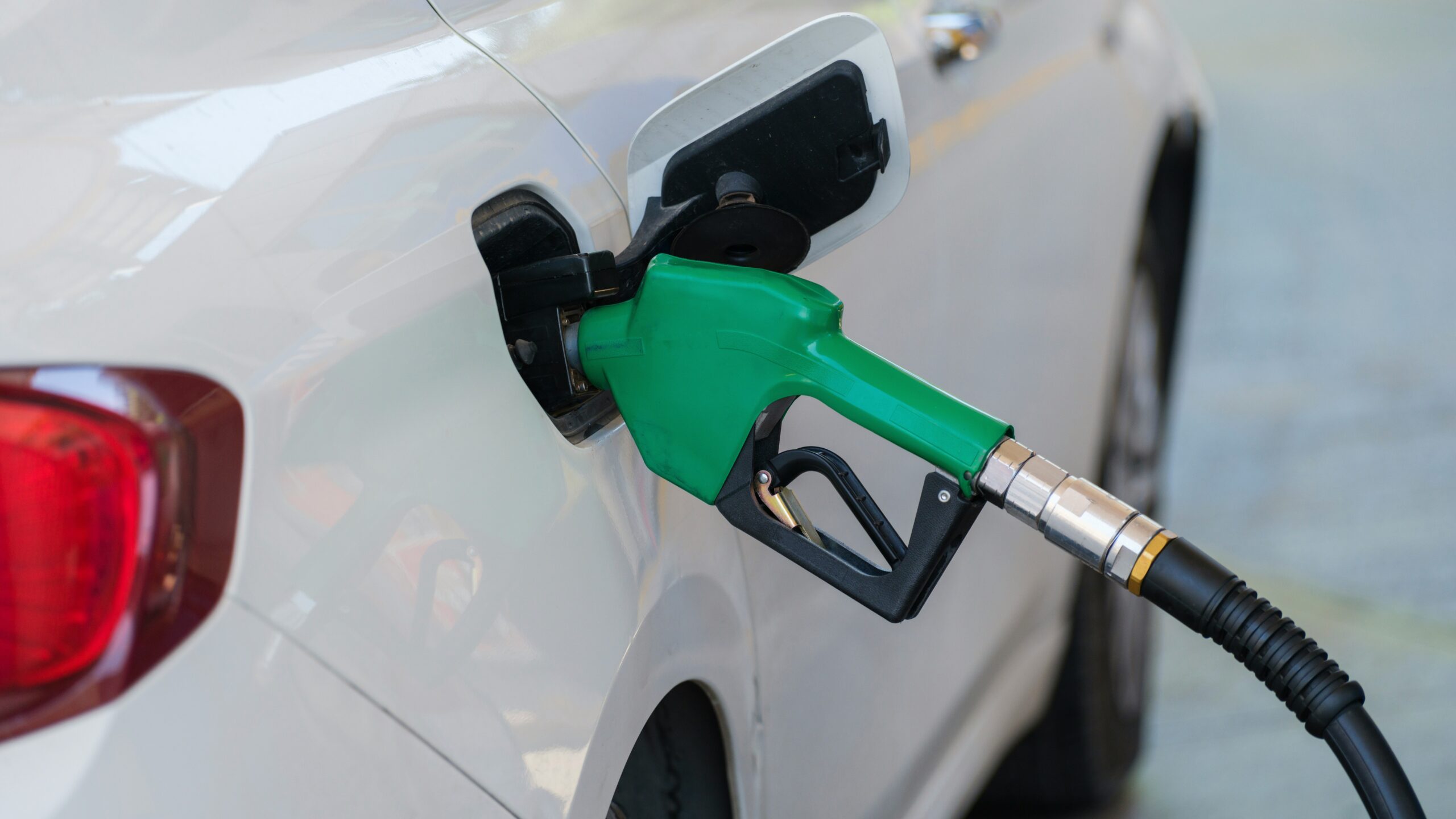
Every month, one number sums up how much more expensive the last thirty days felt at the pump, the grocery store and the rent bill combined. In August, that number moved mostly because of one thing: gasoline. The Bureau of Labor Statistics’ latest inflation report shows the price of filling up did more to push overall prices higher last month than nearly everything else in a typical household budget put together. For anyone tracking a monthly budget, that distinction matters, because it points to exactly where the pressure is coming from and where it isn’t.
Gasoline Alone Drove Over a Third of August’s Price Increase
The Consumer Price Index for All Urban Consumers rose 0.4 percent in August on a seasonally adjusted basis, up from a 0.1 percent increase in July. Prices overall are now 3.4 percent higher than a year earlier, the same 12-month rate reported the month before. On the surface, that looks like a broad, steady climb across everything people buy.
It wasn’t. The gasoline index rose 3.9 percent in August by itself, and the Bureau of Labor Statistics said that single category accounted for over one third of the monthly all items increase. That is an outsized amount of leverage for one line item on a receipt to hold over a number meant to capture everything from rent to prescription drugs to airline tickets.
The energy index as a whole, which includes gasoline along with electricity and natural gas, rose 2.1 percent in August after falling 1.5 percent in July, a swing driven almost entirely by the pump. Before seasonal adjustment, BLS noted gasoline prices rose 2.5 percent in August, close to the same story either way: one commodity moved the whole household inflation number more than any other.
Free retirement updates: A quiet rule change can shrink your Social Security or Medicare check, and no one warns you. The free Retirement Shield newsletter catches these early and tells you what to do. Get it free.
The Rest of the Household Budget Barely Budged
Outside of gasoline, most of the categories that make up a typical budget moved only slightly in August. Shelter, the single largest expense for most households, rose 0.3 percent for the month after a 0.1 percent increase in July. Food climbed just 0.1 percent, with the food-at-home index essentially flat. Two categories actually fell: medical care services dropped 0.2 percent, and motor vehicle insurance declined 0.8 percent for the month, continuing a longer slide in that category.
That contrast is the real story behind the headline number. A household that doesn’t drive much, or one that had already locked in a lease, would have felt almost none of August’s reported inflation. A household with a long commute felt most of it. The all items index treats every dollar of spending the same way nationally, but the pain of a 3.9 percent monthly jump in one category lands unevenly depending on how much gas a family actually buys.
A Year of Gas Price Swings Adds Up to 27 Percent at the Pump
Zooming out to the full year shows how volatile gasoline has been. The gasoline index is up 27.4 percent over the 12 months ending in August, while the broader energy index rose 16.3 percent over the same period. Motor fuel overall, which includes gasoline and diesel, rose 27.9 percent year over year.
Compare that to the index for all items excluding food and energy, the measure economists often watch to see how embedded inflation has become outside of volatile categories: it rose 2.4 percent over the same 12 months, a full order of magnitude calmer than gasoline. Shelter costs, meanwhile, rose 3.0 percent over the year. Gasoline’s swings, in other words, are happening on top of a much steadier backdrop everywhere else in the budget.
Grocery Bills Rose Far Slower Than Gasoline Did
Grocery shoppers got comparatively good news in August. The food-at-home index is up only 2.2 percent over the past 12 months, less than a tenth of gasoline’s annual increase. Within that category, meats, poultry, fish and eggs rose 0.1 percent for the month, with eggs specifically up 2.9 percent in August. Fruits and vegetables actually fell 0.4 percent for the month, with lettuce down 6.2 percent after a 16.4 percent drop in July.
Eating out cost more than eating at home: the food-away-from-home index rose 3.4 percent over the year, faster than groceries but still well below gasoline’s pace. Full-service restaurant meals rose 3.5 percent over the year and limited-service meals rose 3.2 percent, both reflecting labor and ingredient costs that move on a slower cycle than a barrel of oil.
What’s Driving Prices Underneath the Gas Swings
Strip out both food and energy, and the picture BLS reported for August is one of modest, broad-based increases rather than any single shock. That core index rose 0.3 percent in August after a 0.2 percent rise in July, with communication, lodging away from home, airline fares, education and used cars all posting increases. Airline fares alone are up 23.4 percent over the past 12 months, one of the largest annual moves in the entire report outside of energy.
Not every category moved in the same direction. Motor vehicle insurance is down 5.1 percent over the past year on an unadjusted basis, continuing a retreat from the sharp premium increases of prior years, and medical care commodities are down 2.7 percent over the same period. The Bureau of Labor Statistics is scheduled to publish its next Consumer Price Index report, covering September, on October 14, 2026, which will show whether gasoline keeps setting the pace for the household budget or hands that role to something else.
Relief that waits to be asked for
Property-tax freezes, exemptions and utility help are rarely applied automatically, and each has its own filing window.
The Senior Property Tax & Home-Cost Relief Kit includes an 11-page kit, the 5 kinds of property-tax relief and the circuit-breaker credit that includes renters.
See the five kinds of relief in The Senior Property Tax & Home-Cost Relief Kit.
This article was produced with AI assistance and reviewed by a human editor. Figures are linked to their primary sources; where a claim could not be verified from the public record, we say so.


