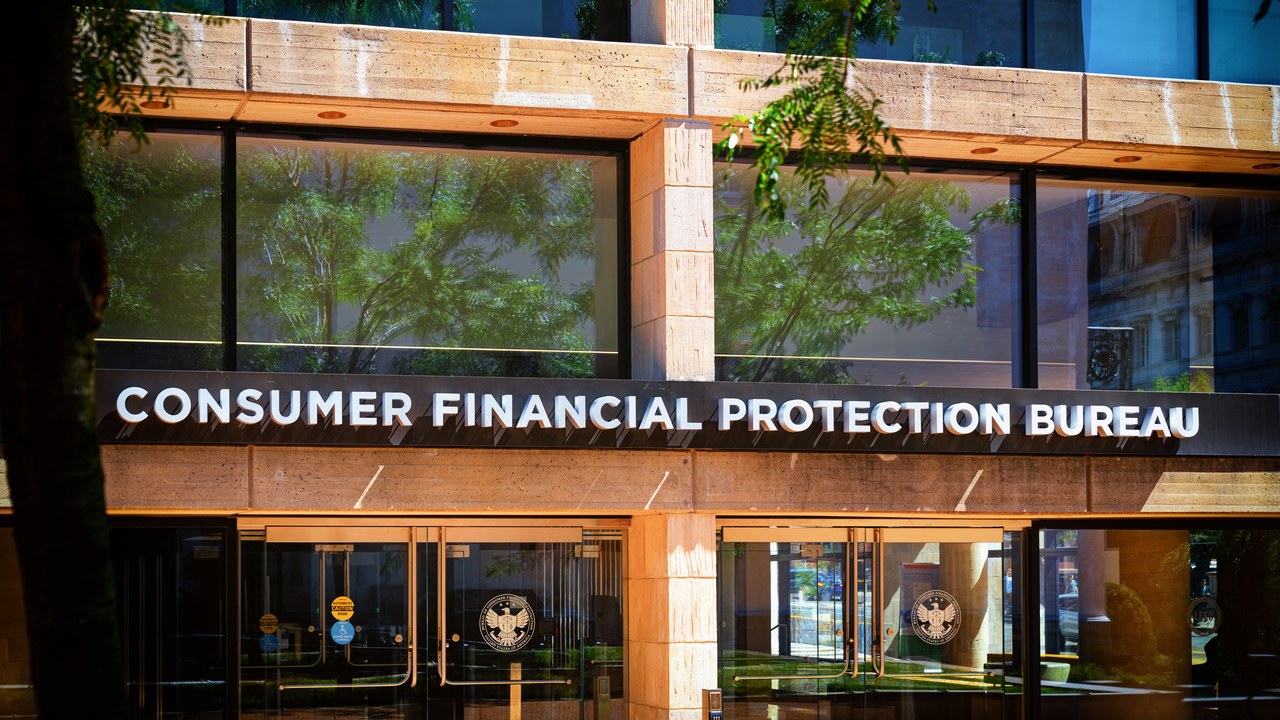
Some Cash App users are opening their mailboxes this year to find a paper check they never asked for, sent by a company most of them have never heard of. The checks trace back to a January 2025 order from the Consumer Financial Protection Bureau against Block, Inc., the parent company of Cash App, over how the app handled fraud complaints and customer service. The bureau required Block to pay consumers at least $75 million, and as much as $120 million, without a single person filing a claim.
What the CFPB Found Inside Cash App’s Customer Service
The CFPB’s enforcement action against Block describes a payment app that, for years, left defrauded users with nowhere real to turn. Investigators found Block failed to staff live customer service, ran a phone number on the back of every Cash Card that led only to a recorded message, and left the door open for fraudulent “customer service” impersonators to target users searching online for help, a pattern Block was slow to address even after learning about it.
The bureau also found Block used the card network’s chargeback process as a substitute for the fraud investigations it was legally required to run under the Electronic Fund Transfer Act, then closed many of those investigations in the company’s own favor. In the CFPB’s announcement of the order, then-Director Rohit Chopra said Cash App, which had more than 56 million accounts at the time, “created the conditions for fraud to proliferate on its popular payment platform.”
Free retirement updates: One number can cost or save hundreds a month in retirement. The free Retirement Shield newsletter surfaces the ones worth knowing. Sign up free.
A Redress Floor of $75 Million, a Ceiling of $120 Million
The dollar figure attached to this story needs a precise reading. The CFPB’s order does not simply fine Block $75 million — it requires Block to pay a minimum of $75 million in redress to consumers, with the total climbing as high as $120 million depending on how many eligible consumers are identified. Separately, Block must pay a $55 million civil penalty into the CFPB’s victims relief fund, an amount distinct from the money going to consumers. The bureau’s original release put the combined obligation at $175 million.
The redress specifically covers Cash App users whose unauthorized transfers went uninvestigated, who did not receive refunds they were entitled to, or whose accounts were frozen for extended periods without the temporary credit the law requires during a dispute. The covered conduct runs from July 1, 2019, through Jan. 16, 2025, the date the order was issued.
What Regulation E Actually Required Cash App To Do
The order’s core complaint was not simply that Cash App mishandled some disputes — it was that Block substituted its card network’s chargeback process for the specific investigation duties the Electronic Fund Transfer Act and its implementing rule, Regulation E’s error-resolution section, actually impose. Under that rule, a financial institution has 10 business days after a consumer reports an unauthorized transfer to investigate and decide whether an error occurred, then three more business days to report the result. If the investigation cannot be finished that quickly, the institution may take up to 45 days, but only if it provisionally credits the disputed amount to the consumer’s account within the original 10 days and lets the consumer use that money while the review continues. The CFPB’s findings describe an app that instead routed fraud complaints into a card-network dispute process never built to meet those deadlines, then closed many of the resulting cases in Block’s own favor rather than the consumer’s.
Epiq, Not Cash App, Is Sending the Checks
Consumers do not have to file anything to get paid. The order’s terms are being carried out by Epiq, a third-party settlement administrator that runs a dedicated site, the Block, Inc. CFPB Remediation FAQ, to answer questions from people who receive a check. Epiq confirms it is issuing checks “in batches on a rolling basis throughout the year” and, as of its most recent update, still has no firm date for when any specific recipient’s check will be mailed — worth knowing given how many unofficial roundups online have printed exact mailing dates the administrator itself has not confirmed.
No Fee, No Tax Form, and a Real Scam-Verification Line
Because a stranger mailing a check is exactly the setup con artists use, Epiq’s FAQ addresses the suspicion directly: the check is real, Block does not charge consumers directly or indirectly for Epiq’s services, and Epiq can verify the tracking number printed on a legitimate check. Recipients also will not receive a 1099 for the payment, according to the administrator, though it directs anyone with tax questions to their own advisor rather than offering guidance itself.
Anyone contacted by someone demanding payment or account information to “release” a Cash App settlement check should treat it as the kind of fraud the underlying CFPB order was written to stop. The consent order itself requires no upfront cost and no action from consumers at all. Consumers with questions about their own redress can also contact Block directly, since the CFPB’s order page lists a dedicated toll-free line and mailing address for that purpose rather than routing everything through Epiq alone.
A Separate State Case Over the Same Conduct
The federal order is not the only enforcement action Cash App has faced over this period. The CFPB’s own release on the order noted that, the day before its action, state regulators separately required Block to pay $80 million to resolve Bank Secrecy Act and anti-money-laundering violations — a different set of laws covering different conduct, decided in a different forum, but arising from the same broader scrutiny of how Block ran Cash App. The two cases pay out through separate channels, so a consumer’s federal redress check has nothing to do with the state settlement, and one does not substitute for the other.
This article was produced with AI assistance and reviewed by a human editor. Figures are linked to their primary sources; where a claim could not be verified from the public record, we say so.
More Financial Reading