Ground beef has been one of the more painful line items at the register this year, and the White House is trying a temporary fix: a 90-day window that lets more imported beef trimmings into the country at a lower tariff rate so processors can blend it with U.S. beef for ground beef. The relief is narrow and time-limited, and it lands while the most recent government inflation data on beef is already a month old.
What the 90-day window actually changes
According to a White House fact sheet on the proclamation, the expanded quota “only applies for 90 days, beginning on September 1, 2026,” which puts the window running through roughly the end of November. It is capped at 100,000 tons per month, and it applies specifically to lean beef trimmings combined with U.S. beef to make ground beef, not to steaks, roasts, or other cuts. The fact sheet also notes the policy “encourages beef to be sold at a 25% discount from the going import price,” though that is framed as an incentive rather than a guaranteed price cut at the register.
The quota expansion does not touch existing commitments to countries with a free trade agreement with the U.S., and it does not apply to countries that already have their own country-specific beef quotas, so the practical effect is concentrated among a smaller set of trading partners with room under the new cap.
Free retirement updates: Plain-English updates on the changes, deadlines, and costly mistakes retirees miss, so more of a Social Security check and savings stays put. Subscribe free.
What lean beef trimmings actually are
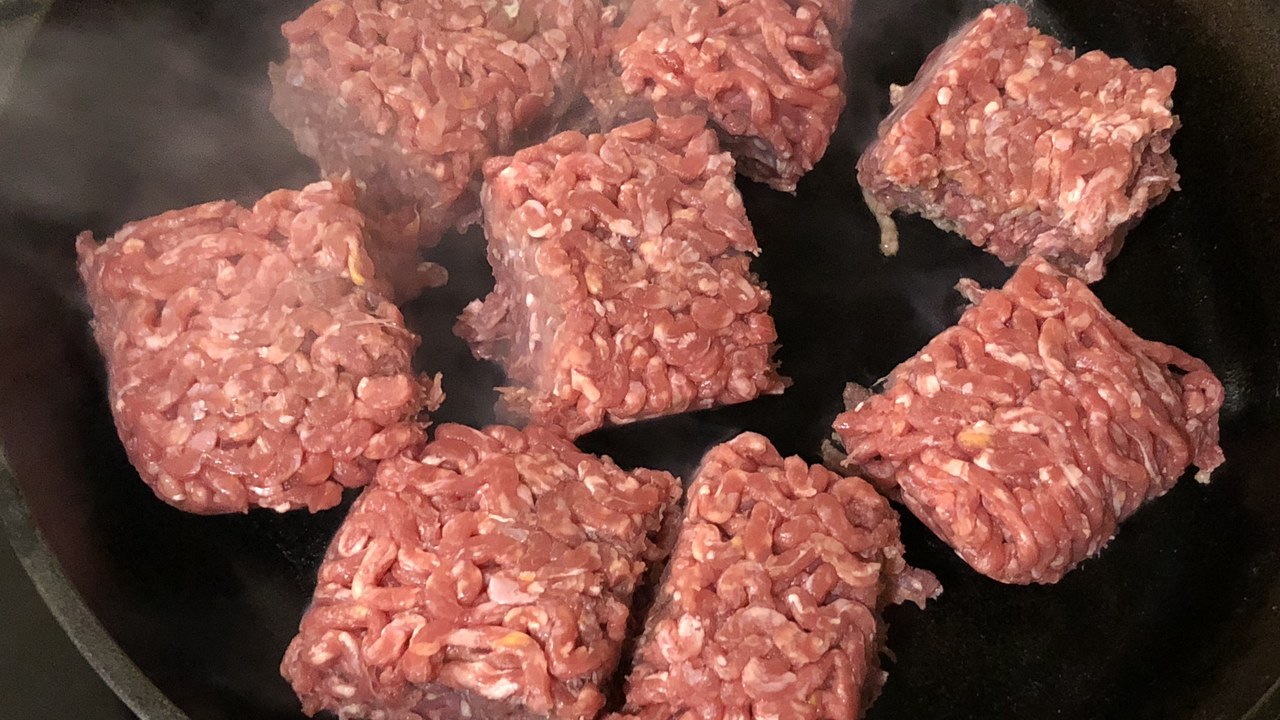
The commodity behind this policy is a specific one, not a stand-in for beef generally. Lean cuts trimmed away from carcasses during processing are too lean on their own to sell as ground beef, so processors blend them with fattier domestic trim to hit a target fat percentage — the familiar 80/20 or 73/27 sold at the meat counter. USDA’s own daily market news report on boneless processing beef tracks these trimmings by lean percentage, from 50 percent up through 92-to-94-percent chemical lean, pricing each grade separately every trading day; on September 9, 2026, fresh 50-percent-lean trimmings traded nationally at a weighted average of $93.46 per hundredweight. That is the raw input the new quota brings in more of — not finished ground beef itself.
Why ground beef got this expensive in the first place
The fact sheet ties the move to a genuine supply problem: domestic cattle herds are at their lowest level in 75 years, and the U.S. Department of Agriculture forecasts that beef output will fall by roughly 4 percent from 2025 levels. The White House attributes part of that squeeze to restrictions on live-animal imports from Mexico put in place to fight the New World Screwworm, plus drought and wildfire conditions that cut into grazing land and feed supply in cattle-producing regions. The temporary quota is projected to add about 10 percent to beef supply versus current projections, though the fact sheet is careful to note it will not fully replace what was lost from the Mexico border restrictions.
This is not the administration’s first attempt at the problem. The White House points back to a February 2026 proclamation that first moved to temporarily increase beef imports and ease consumer prices, before the Mexico border restrictions and the drought conditions further tightened supply over the summer. The September order is explicitly framed as a follow-up to that earlier action rather than a standalone fix, which is part of why it is capped and temporary instead of a permanent change to import rules.
The legal mechanism and the cattle numbers behind it
The proclamation runs on a specific statute. According to the Federal Register text of the August 26 proclamation, the additional 300,000 metric tons is authorized under Section 404 of the Uruguay Round Agreements Act, which lets a president temporarily expand a tariff-rate quota when domestic supply of an agricultural product is inadequate because of natural disaster, disease, or a major market disruption. The added quantity applies only to lean beef trimmings under four specific Harmonized Tariff Schedule codes, and it is administered in three sequential 30-day tranches of 100,000 metric tons each — September 1 to 30, October 1 to 30, and October 31 through November 30 — rather than as one continuous monthly allowance.
The herd shortage behind that math is measurable. The Department of Agriculture’s own cattle inventory count put the national herd at 86.2 million head as of January 1, 2026, with the beef cow count down 1 percent from a year earlier at 27.6 million and the 2025 calf crop down 2 percent at 32.9 million — the supply base the proclamation says cannot yet meet domestic demand at reasonable prices.
The 9.4 percent figure, and why the timing matters
The most recent inflation data behind this story comes from the Bureau of Labor Statistics’ Consumer Price Index release for July 2026, which reported that the beef and veal index rose 9.4 percent over the 12 months ending in July. The BLS detailed expenditure table breaks that down further: uncooked ground beef specifically was up 9.0 percent over the same 12 months, and uncooked beef roasts were up 13.5 percent. Those are the most recent figures published as of this writing.
Zoom out to the full grocery basket and beef stands out as a particular pressure point. The same July release put the broader meats, poultry, and fish index up 4.5 percent over the year and the overall food-at-home index up 2.7 percent, meaning beef and veal prices have been rising more than three times faster than groceries as a whole.
It will not stay the most recent for long. The BLS release calendar shows the August 2026 CPI data is due out at 8:30 a.m. Eastern on September 11, 2026, the same morning this article is going live, so a fresher beef-price figure could land within hours of publication. Anyone checking these numbers later in the day should look for the August update rather than assume July’s 9.4 percent still holds.
A narrow fix, not a price rollback
Nothing about the 90-day window rolls back the price increases already reflected in the July data. The relief is forward-looking and capped in size: 100,000 tons a month is a fraction of the more than 11 million tons of beef USDA projects the U.S. to produce in 2026, and the trimmings-only scope means it affects ground beef specifically rather than the broader beef case. Whether shoppers notice a difference at the meat counter will depend on how much of that expanded, discounted supply actually reaches ground beef pricing before the window closes at the end of November.
This article was produced with AI assistance and reviewed by a human editor. Figures are linked to their primary sources; where a claim could not be verified from the public record, we say so.
More Financial Reading