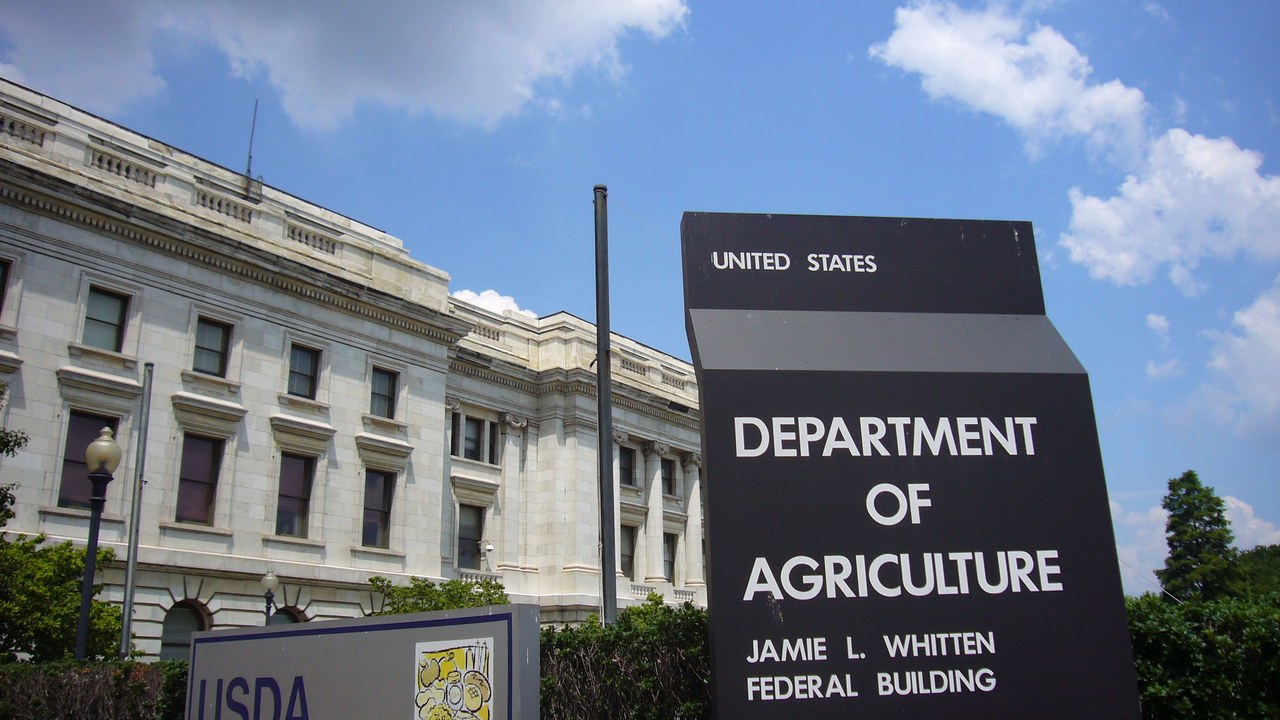
A federal program built to keep Medicare drug plan premiums from swinging wildly is being shut down, and CMS made the announcement in the same release where it published a 2027 figure that’s easy to mistake for an actual bill. The program is the Part D Premium Stabilization Demonstration; the figure is the $41.33 “base beneficiary premium.” They’re related, but conflating them is the mistake to avoid this fall.
A stabilizer CMS says has done its job
The Centers for Medicare & Medicaid Services created the Part D Premium Stabilization Demonstration for CY 2025, a voluntary program for standalone prescription drug plans meant to limit volatility in premiums after the benefit redesign required by the Inflation Reduction Act. CMS says the demonstration is ending on schedule, not early: its own bid analysis found that Part D plan sponsors “had sufficient experience under the redesigned Part D benefit to support their assumptions in developing the prescription drug plan bids,” so the agency will let CY 2027 return to operating under “traditional market conditions.”
That means two plan years of demonstration-era pricing — 2025 and 2026 — give way to bids built without that stabilizing backstop starting January 1, 2027, per the CMS fact sheet announcing the change. Participation in the demonstration was voluntary and limited to standalone prescription drug plans, not Medicare Advantage plans that bundle drug coverage, so its end is specifically a Part D story rather than a broader Medicare Advantage one.
Free retirement updates: Want plain-English help keeping more of your money in retirement? The free Retirement Shield newsletter covers the benefits, deadlines, and money mistakes that cost retirees, a couple times a week. Subscribe free.
The number in the announcement that isn’t a bill
Alongside the demonstration’s end, CMS published the national average monthly bid amount (NAMBA) — an enrollment-weighted average of what Part D plans bid to cover basic drug benefits — at $296.05 for 2027. From that figure, CMS also calculated a “base beneficiary premium” of $41.33. That’s the number circulating in coverage of this announcement, and it’s the one most likely to get repeated as if it were what a beneficiary pays.
It isn’t. The CMS actuarial memo behind the announcement says so directly, in its own footnote: actual Part D premiums “equal the BBP adjusted by several factors,” and “in practice, premiums vary significantly from one Part D plan to another and seldom equal the base beneficiary premium.” The $41.33 is a formula input used to size the government’s subsidy to plans, not a price tag. The same memo sets a separate 2027 “de minimis” amount of $2 — the small gap plans can choose to waive for low-income beneficiaries rather than triggering an automatic plan reassignment — which is itself further evidence that the dollar figures in this release are program mechanics, not consumer prices.
How a statutory cap, not the market, produced $41.33
The base beneficiary premium for 2027 is set by a formula written into the Inflation Reduction Act, and this year that formula’s ceiling did the work. CMS calculates the premium two ways and uses whichever is lower: the prior year’s premium raised by up to 6%, or a bid-based calculation tied to the new NAMBA. For 2027, the 6%-capped path produced $41.33 — the 2026 premium of $38.99 increased by 6% — while the bid-based path would have produced $94.06. Because the capped number came out lower, $41.33 is what CMS published, even though the underlying bids implied a much larger jump. That gap between $41.33 and $94.06 is the clearest evidence that the published figure is a capped formula output, not a market price plans actually charge.
What’s ending, and what isn’t
It’s worth separating the two federal guardrails at work here, because only one of them is going away. The 6% annual cap on the base beneficiary premium is a permanent feature of the Inflation Reduction Act, in place through 2029 regardless of what happens to any demonstration. The Premium Stabilization Demonstration is the separate, temporary piece — a voluntary program limited to standalone drug plans, running only for 2025 and 2026, and now ending on CMS’s own timeline. Losing the demonstration means individual Part D plans have one less backstop shaping how they set 2027 bids, even as the statutory cap on the base beneficiary premium itself stays in place.
When an actual 2027 premium becomes public
None of the figures in this announcement tell a specific enrollee what their own plan will cost. CMS has said it will release the full 2027 Medicare Advantage and Part D landscape data, including plan-specific premiums, in mid-to-late September, ahead of Open Enrollment running October 15 through December 7. Rate and benchmark files behind these annual announcements are typically posted through CMS’s Medicare Advantage Rates & Statistics pages. The 2027 Medicare Part B premium and deductible have not been published as of this writing, so no comparison to Part B costs can be made yet — only the Part D figures CMS released July 28 are final.
This article was produced with AI assistance and reviewed by a human editor. Figures are linked to their primary sources; where a claim could not be verified from the public record, we say so.
More Financial Reading