A retiree filling a shingles vaccine prescription in January might expect to pay full price until a fresh annual deductible is met. That is not how Medicare Part D actually works. Since January 2023, the program’s yearly drug deductible has skipped over two specific categories of medication entirely, and CMS has just finished writing that exemption into permanent federal regulation for 2027 and every year after. For anyone managing diabetes or due for a recommended vaccine, the distinction is worth knowing before a new plan year starts charging for everything else on the formulary.
How the Insulin and Vaccine Exemption Actually Works
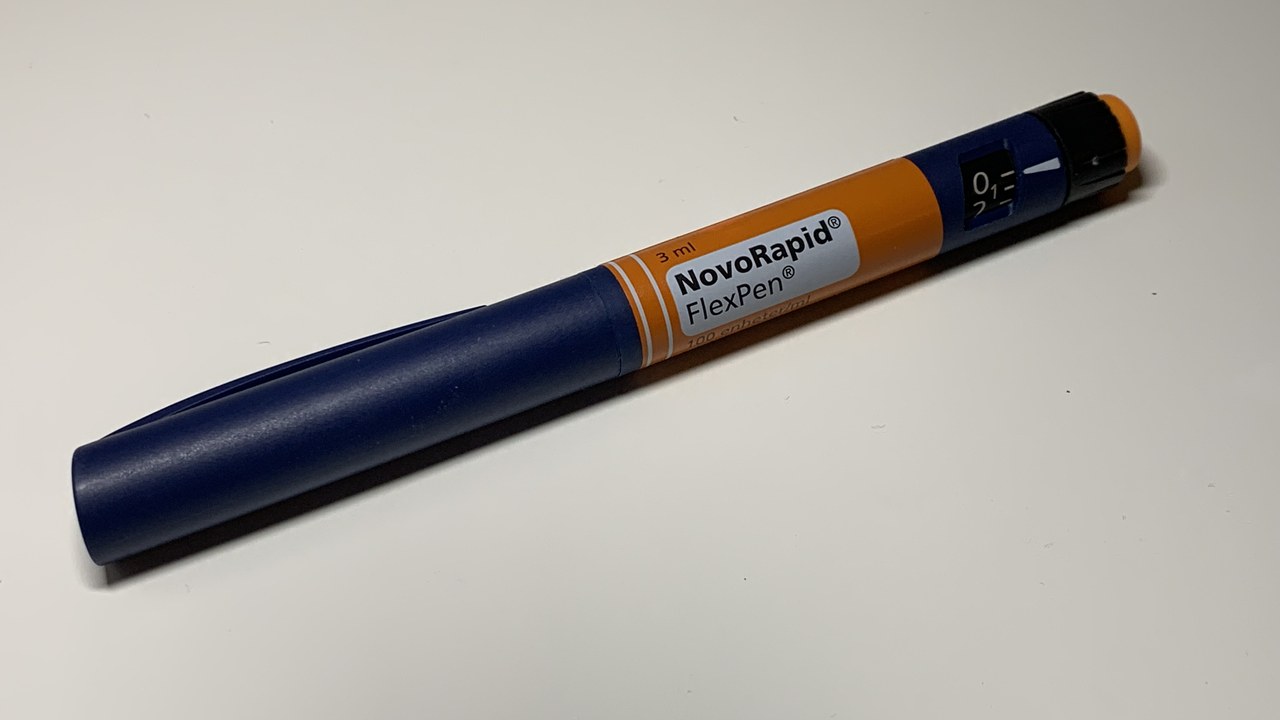
Every Part D plan sets its own annual deductible, up to a maximum the government publishes each year; for 2027 that ceiling is $700, up from $615 in 2026. A plan can charge less, or nothing at all, but never more than that number. What the Inflation Reduction Act changed is which drugs count toward it in the first place. Covered insulin products, and adult vaccines recommended by the Advisory Committee on Immunization Practices — shingles, tetanus and whooping cough boosters, and others delivered through a Part D plan — are excluded from the deductible entirely. A beneficiary who has not spent a dollar on prescriptions all year still pays nothing extra for those specific drugs, because the deductible phase simply does not apply to them.
This is not a 2027 invention. CMS’s own account of the Inflation Reduction Act rollout confirms both carve-outs took effect January 1, 2023, alongside the now-familiar $35 monthly insulin cap. The agency’s language is direct: Part D deductibles “no longer apply to covered insulin products,” and separately, people with Medicare drug coverage pay nothing out-of-pocket for adult vaccines recommended by ACIP. CMS’s own implementation update lists both among the law’s earliest, most concrete effects on prescription costs. The vaccines involved are the ones administered through a Part D plan’s pharmacy benefit; flu, pneumonia and COVID-19 shots are typically billed under Part B and were already free under a separate authority.
Free retirement updates: Enrollment and claim windows come and go, and missing one can cost you real money. The free Retirement Shield newsletter keeps you ahead of the deadlines that matter. Sign up free.
Why CMS Just Locked This Into Federal Regulation
For the past three years, CMS carried out these Inflation Reduction Act provisions through annual program instructions rather than formal rulemaking — a faster route, but one that depended on authority set to expire after 2026. So in the Contract Year 2027 Medicare Advantage and Part D final rule, issued April 2, 2026, the agency is codifying the insulin and vaccine deductible exemptions directly into the Code of Federal Regulations instead of relying on guidance that would otherwise need renewing every year. The rule updates 42 CFR 423.104(d)(1) to state explicitly that the deductible does not apply to ACIP-recommended adult vaccines or covered insulin products, alongside the rest of the Part D redesign the law required — eliminating the old coverage-gap phase, ending cost-sharing once a beneficiary reaches the catastrophic phase, and setting the reduced annual out-of-pocket cap. The rule as published in the Federal Register took effect June 1, 2026, with its coverage provisions applying to plan years beginning January 1, 2027.
What Still Counts Toward the $700 Deductible
The exemption is narrow by design. Every other covered drug on a Part D formulary — blood pressure medication, cholesterol drugs, most brand-name prescriptions — still applies toward whatever deductible amount a plan charges, up to that $700 ceiling for 2027. A person taking a routine generic statin still pays toward the deductible until it is satisfied; someone taking only insulin and getting a recommended shingles shot may not hit a deductible phase at all this year. Not every plan charges the full amount, and some charge none, so the figure on a beneficiary’s own Annual Notice of Change letter is the one that actually matters, not the government’s maximum. The point of the carve-out is not to make Part D deductible-free. It is to guarantee that two categories of preventive and chronic-disease care are never held up by however much of the deductible a person still owes in a given year, whether that is January or November.
The $35 Insulin Cap Applies on Top of the Exemption
For insulin specifically, the deductible exemption stacks with a second protection that started the same day: covered insulin products are capped at $35 for a month’s supply, in every phase of the Part D benefit. A few months later, in July 2023, CMS extended a version of the same cap to insulin delivered through a traditional pump under Part B and Medicare Advantage. Together, the deductible exemption and the $35 cap mean an insulin user’s cost is predictable from the first fill of the year to the last, deductible met or not. That combination is what CMS points to when it credits the law with lowering insulin costs for roughly four million Medicare beneficiaries with diabetes — and it is the piece now permanently anchored in regulation, in CMS’s own words, rather than left to expire with an annual instruction memo.
This article was produced with AI assistance and reviewed by a human editor. Figures are linked to their primary sources; where a claim could not be verified from the public record, we say so.
More Financial Reading