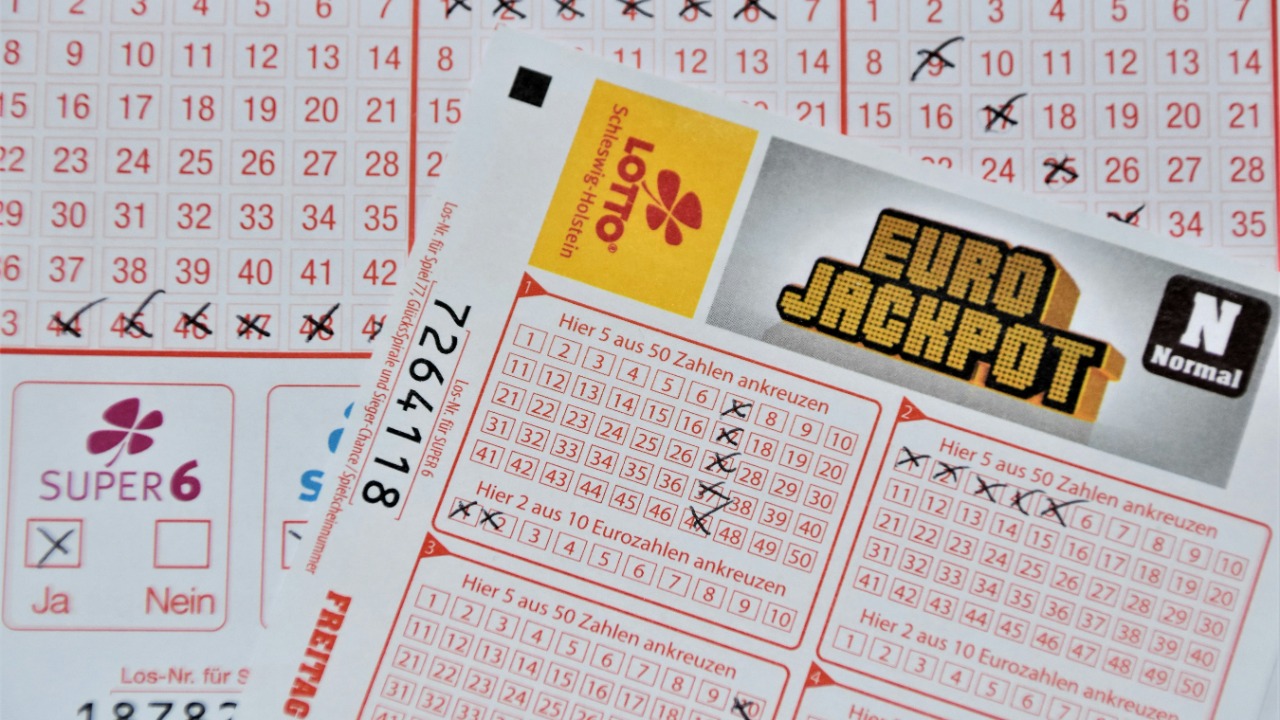
Federal food-stamp regulation contains an odd bit of overlap: the same dollar figure that caps how much a vulnerable household can keep in savings also decides whether a lucky lottery ticket ends that household’s benefits entirely. Under the fiscal year 2027 cost-of-living adjustment, effective October 1, 2026, the U.S. Department of Agriculture’s Food and Nutrition Administration set that number at $4,750. It shows up in two completely different rules, doing two completely different jobs, and most SNAP households will only ever run into one of them.
One Number, Two Very Different Jobs
Job one is the asset test. For most SNAP households, countable resources — bank accounts, cash, some vehicles — can’t exceed $3,000, a figure that hasn’t moved. But households with a member who is 60 or older, or who has a disability, get a higher ceiling, and that ceiling rises to $4,750 for fiscal year 2027. Job two is entirely different: under federal SNAP regulation, that same figure defines what counts as “substantial” when someone in a certified household wins a lottery or gambling prize. A single-game cash payout, before taxes, that equals or exceeds this resource limit triggers an automatic loss of eligibility — regardless of whether the person actually has that money left.
The two jobs pull in opposite directions for the same household. A higher resource limit is good news for an elderly or disabled SNAP recipient trying to keep an emergency fund intact. A higher lottery-and-gambling threshold, on the other hand, simply means it takes a slightly bigger single win to end benefits than it did the year before — a technical side effect of raising the first number that almost nobody sets out to change on purpose.
Free retirement updates: One number can cost or save hundreds a month in retirement. The free Retirement Shield newsletter surfaces the ones worth knowing. Sign up free.
Why $4,750 Is The Line For Savings
The elevated asset limit exists because Congress and USDA long ago decided that older and disabled households shouldn’t have to spend down retirement or medical-emergency savings to qualify for food assistance. That protection gets a cost-of-living bump most years, moving from $4,500 in fiscal year 2026 to $4,750 for fiscal year 2027 — a $250 increase documented in USDA’s FY2027 cost-of-living adjustment page. A household without an elderly or disabled member still faces the flat $3,000 ceiling, unchanged again this year, which is part of why the elevated figure so rarely comes up in everyday conversations about SNAP.
Most SNAP households never bump against either ceiling. National data on the program has long shown that the overwhelming majority of certified households report resources well under $3,000, let alone $4,750, since SNAP eligibility already depends on limited income in the first place. The asset test mainly functions as a backstop against the rarer case: a household with low monthly income but a meaningful cash cushion, often built from a pension, a settlement, or years of saving before a disability or job loss.
How A Lottery Ticket Can End SNAP Benefits
The lottery-and-gambling rule runs on a separate track defined in federal regulation, which requires state agencies to match certified SNAP households against state gaming records specifically to catch large, single-game winnings. The regulation, codified at 7 CFR 272.17, ties disqualification to the same dollar figure used for the elderly/disabled resource limit rather than setting an independent threshold. That design choice means the lottery line moves every time the asset limit moves — this year, from $4,500 to $4,750 — without Congress or USDA ever having to touch the gambling rule itself.
The rule also requires state SNAP agencies to actively check for these wins rather than wait for a household to volunteer the information. States are directed to build cooperative data-sharing agreements with the gaming entities that regulate lotteries and casinos in their jurisdiction, then run regular matches between certified SNAP caseloads and reported winners. A household that wins big is separately required to report it within a set window after receiving the money, and a match through the state’s own data-sharing system can catch a win even if the household doesn’t self-report.
The Households This Actually Touches
Two groups feel this number and almost no one else does. The first is households with a member 60 or older or living with a disability, for whom $4,750 is simply the ceiling on how much they can keep in the bank. The second is any SNAP household, of any age or composition, where someone wins a single lottery or gambling prize at or above that same figure — a state Powerball payout, a big night at a casino, a large scratch-off ticket. For everyone else, the number is invisible: a typical working-age household without a disabled member never encounters either use of it.
What Happens After A Big Win
A household that crosses the $4,750 line on a single win doesn’t lose SNAP forever. Federal rules require the household to report substantial winnings, and the disqualification lasts only until the household’s resources and income fall back within the normal eligibility rules — at which point it can reapply. The immediate effect, though, is real: eligibility ends right away, even if the winner has already spent or lost most of the payout, because the trigger is the size of the single win, not what remains of it by the time a caseworker finds out.
This article was produced with AI assistance and reviewed by a human editor. Figures are linked to their primary sources; where a claim could not be verified from the public record, we say so.
More Financial Reading