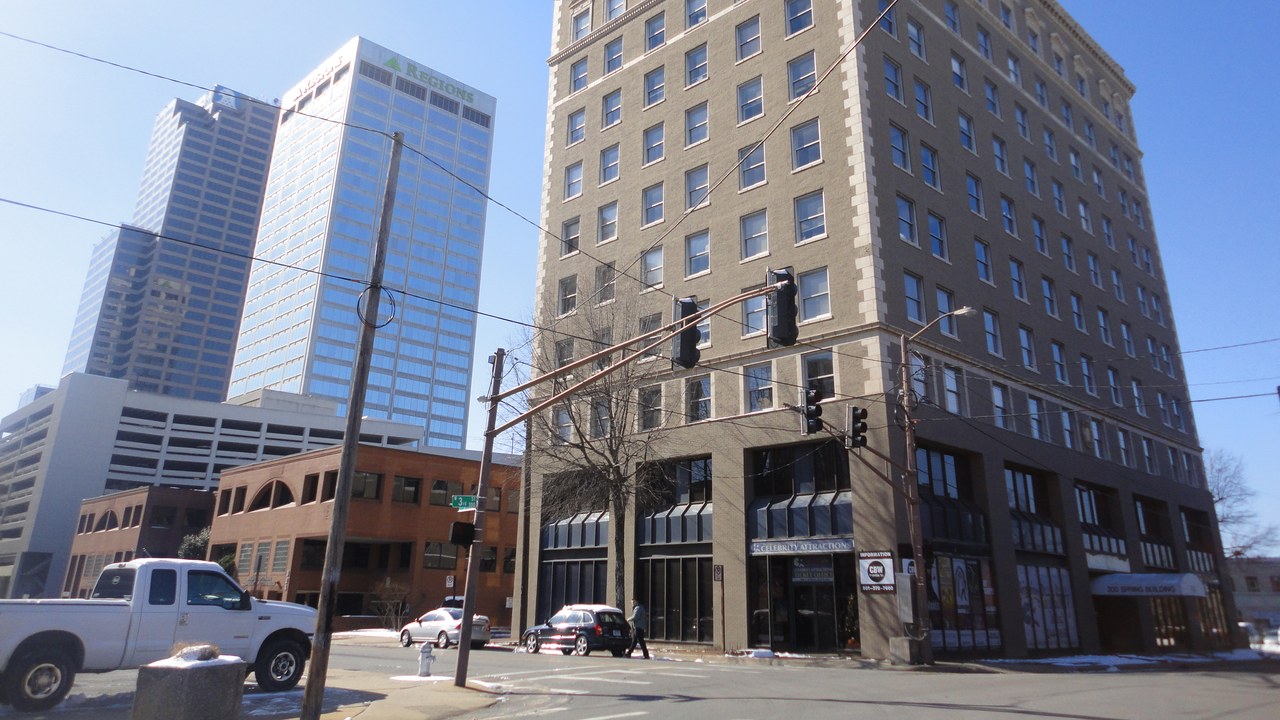
A former relationship banker at a Regions Bank branch in Memphis has been permanently prohibited from working in banking again after federal regulators found she took part in a scheme that cashed counterfeit and fraudulent checks. The Federal Reserve’s Board of Governors finalized the consent order in early August and announced it publicly days later, closing out a case tied to more than a third of a million dollars in losses. It’s an unusual public look at how a bank’s own employee, not an outside scammer, can become the source of a fraud loss.
What the Federal Reserve’s Order Actually Requires
The order prohibits the former employee from ever participating in the affairs of an insured depository institution, voting or soliciting proxies at one, or serving as an officer, director, or employee of one, unless she first gets written approval from the Board of Governors. It took effect on August 5, 2026, and it stays in force indefinitely unless the Board itself modifies or lifts it. Like the credit union cases decided by other regulators around the same time, this one was resolved by consent rather than a hearing: the former employee signed the order without admitting or denying the underlying allegations, and in doing so waived her right to a hearing and to challenge the order in court.
Free retirement updates: Want plain-English help keeping more of your money in retirement? The free Retirement Shield newsletter covers the benefits, deadlines, and money mistakes that cost retirees, a couple times a week. Subscribe free.
The Check-Fraud Scheme Behind the Order
According to the Federal Reserve’s order, Elazia Jones worked as a Relationship Banker at the Hickory Ridge Branch of Regions Bank in Memphis, Tennessee, until the bank terminated her on November 1, 2024. The order states that Jones knowingly cashed counterfeit or fraudulent checks in exchange for personal benefits, including cash, as part of a broader check-fraud ring that caused the bank more than $396,000 in losses. The Board found that conduct amounted to personal dishonesty and a willful disregard for the bank’s safety and soundness, the legal standard it uses under Section 8(e) of the Federal Deposit Insurance Act to justify a permanent bar rather than a lesser penalty like a fine or a corrective order. Almost two years passed between her termination and the finalized order, a reminder that these cases can take a long time to work through an agency’s investigative and legal process before becoming public.
Why the Federal Reserve, Not the FDIC, Handled This Case
Regions Bank is chartered as a state member bank, which is why the Federal Reserve, rather than the FDIC or the Office of the Comptroller of the Currency, brought this action. Which agency polices a given bank’s employees depends on how that bank is chartered and supervised: state-chartered banks that join the Federal Reserve System answer to the Fed, national banks answer to the OCC, and most other FDIC-insured banks answer to the FDIC directly. All three agencies use the same basic legal authority to bar people from banking, and all three keep their own public, searchable enforcement databases, but the paperwork and the public announcement in a given case come from whichever regulator actually supervises that institution. Credit unions, by contrast, fall under the NCUA rather than any of the three bank regulators, which is why a separate credit union case announced the same month came from a different agency entirely, even though the penalty looked much the same on paper.
What a Permanent Bar Means Going Forward
The prohibition isn’t limited to Regions Bank. It covers any insured depository institution or holding company in the country, along with certain foreign banks operating in the United States, for as long as the order remains in effect. Violating it exposes the former employee to separate civil or criminal penalties under federal banking law, on top of whatever consequences she already faces for the underlying conduct. In practice, a bar like this one ends a career in mainstream banking unless the Board later agrees, in writing, to lift it, and the order itself notes that the Board isn’t barred from pursuing any other action against her based on the same facts, so this consent order doesn’t necessarily close out every avenue of exposure tied to the case.
Your Deposits Are Insured Separately by the FDIC
None of this touches what a Regions customer is owed. Money in a checking or savings account at an FDIC-insured bank like Regions is protected separately from any single employee’s conduct: the FDIC insures deposits up to $250,000 per depositor, per ownership category, at each FDIC-insured bank, and the agency notes that no depositor has lost a penny of FDIC-insured funds since the FDIC was founded in 1933. That coverage coming from the FDIC, not the Federal Reserve, is itself a reminder of how the system splits jobs: the Fed polices the people who work at a bank, while the FDIC protects the money customers keep there.
Protecting Your Own Account From Insider Check Fraud
A scheme like this one is hard for an individual customer to catch in advance, since it involves an employee approving fraudulent items from the inside rather than a scammer tricking someone into handing over information. The practical takeaway is the same one that applies to any fraud risk: check statements regularly, report anything unfamiliar right away, and don’t assume a transaction is legitimate just because it came from inside the bank. Regulators also keep a public record of actions like this one; the Fed’s own enforcement actions page lets anyone look up whether a particular case, at any bank, has been resolved, the same way the NCUA’s database does for credit unions.
This article was produced with AI assistance and reviewed by a human editor. Figures are linked to their primary sources; where a claim could not be verified from the public record, we say so.
More Financial Reading