Buying the lower beef grade to save money is a strategy plenty of households lean on, but this week that strategy got a little less rewarding. USDA’s daily wholesale price report shows Select beef jumped $3.51 in a single day to $354.23 per hundred pounds, even as the higher Choice grade slipped. The two prices are now sitting closer together than they have in recent memory, which changes the math on trading down a grade at the meat counter.
Select Jumps $3.51 While Choice Slips $1.87
A National Daily Boxed Beef Cutout report, published each morning by USDA’s Agricultural Marketing Service, tracks negotiated wholesale sales of boxed beef delivered within 21 days. In the report dated September 4, 2026, Select’s cutout value rose $3.51 to $354.23 per hundredweight, while Choice moved the opposite direction, falling $1.87 to $375.03. The report’s five-day trailing average tells a similar story: Select averaged $356.86 over the prior five sessions compared with $377.50 for Choice, a gap that has been narrowing session by session rather than snapping shut in a single day.
Trading that morning, per the full cutout report, totaled 69 loads of cuts, trimmings, and grinds combined, a modest volume that can make daily swings like this one more pronounced than they’d look on a heavier trading day.
Free retirement updates: One number can cost or save hundreds a month in retirement. The free Retirement Shield newsletter surfaces the ones worth knowing. Sign up free.
What Actually Separates Choice From Select
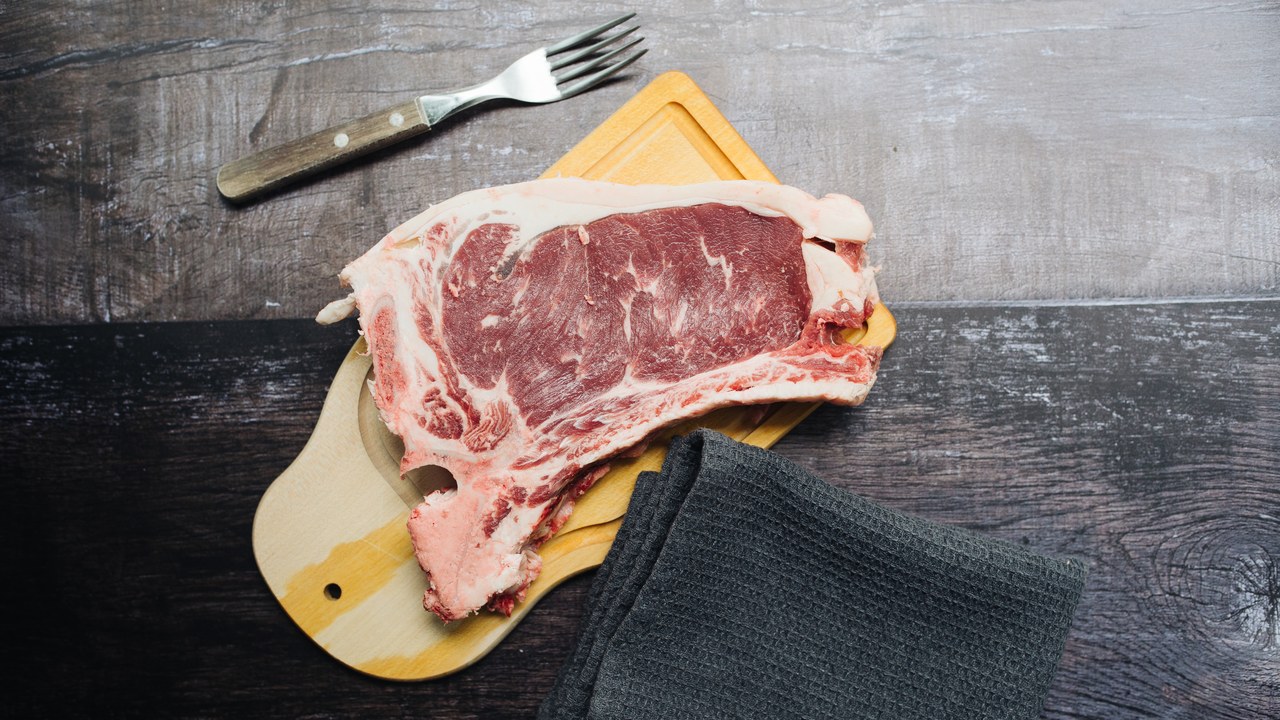
Both grades come from the same class of beef carcass; the difference is marbling, the flecks of fat running through the muscle. USDA’s own carcass beef grading standards require Choice carcasses to carry at least a small amount of marbling, while Select only needs to show a slight amount, the next tier down. More marbling generally means a more tender, juicier cut once it’s cooked, which is why Choice has historically commanded a higher wholesale price than Select.
USDA’s own consumer-facing explainer on the grading system describes Select beef as leaner and very uniform in quality, fairly tender but more likely to lack some of the juiciness of the higher grades because it carries less internal fat. Neither grade says anything about how the cattle were raised or fed; it’s purely a measure of the marbling USDA graders see in the ribeye muscle at the time of grading, which is why the same animal, cut two different ways, could in theory land in either category.
The Grade Spread Narrows to $20.80
What makes this week’s move notable isn’t just that Select rose. It’s that the rise, combined with Choice’s decline, pulled the two grades to a $20.80 spread per hundredweight, well inside the roughly $23 gap the five-day averages had been running. On a retail basis, that wholesale spread translates to only a modest per-pound difference by the time it reaches a store’s meat case, and a narrower spread means the savings from choosing Select over Choice shrink along with it. A household that has been buying Select specifically to save money on ground beef, roasts, or steaks is getting less of a discount for the same trade-off in tenderness this week than it was getting when the spread sat closer to $23.
What a Narrower Spread Means for the Meat Counter
Wholesale cutout prices don’t move to the retail case overnight, and a one-day swing like September 4’s doesn’t guarantee a store’s Select price and Choice price will converge by the same amount this week. But sustained narrowing at the wholesale level is exactly the kind of signal that eventually shows up in shelf pricing, because it changes what a retailer pays for each grade in the first place. For now, USDA’s own report frames the day’s move as Choice pulling back while Select firmed up, a two-sided shift rather than one grade simply getting more expensive on its own.
Shoppers deciding between the two grades this week are effectively paying closer to the same price no matter which one they pick, at least at the wholesale level the data is drawn from, which is worth keeping in mind the next time a butcher counter offers both cuts side by side at what looks like a familiar gap. A household that has budgeted a fixed dollar amount for beef each week may not notice the shift directly, but anyone comparing per-pound prices on Select versus Choice packages side by side is the one most likely to see the discount shrink first, since that comparison is exactly where a narrowing wholesale spread eventually shows up.
None of this changes what’s actually in the package. A Select cut graded this week under USDA’s marbling standard is the same cut it would have been a month ago; what’s changed is only how much less a shopper saves by choosing it over Choice. For now, that gap is $20.80 at the wholesale level, the narrowest this particular report has shown in the past several trading sessions, and it’s worth watching whether Thursday and Friday’s reports confirm the trend or reverse it.
This article was produced with AI assistance and reviewed by a human editor. Figures are linked to their primary sources; where a claim could not be verified from the public record, we say so.
More Financial Reading