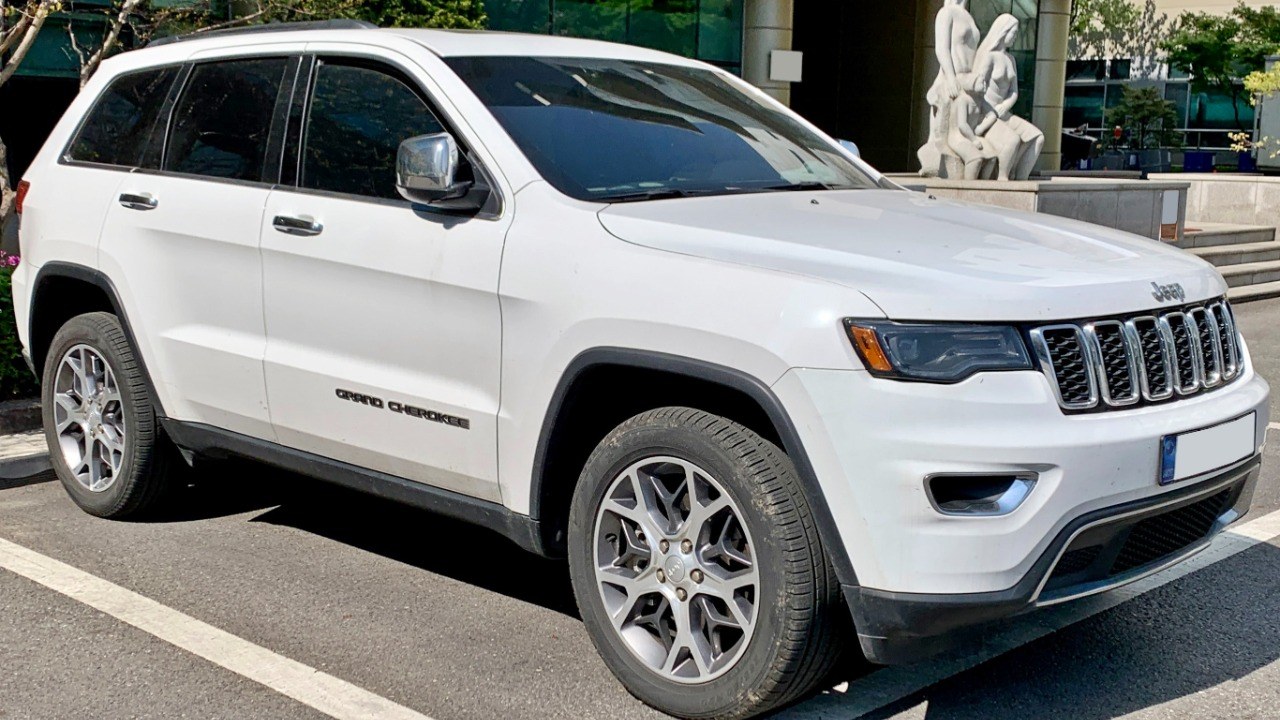
If you own a Jeep Grand Cherokee and already had a rear suspension recall fixed in the past few years, that repair does not close the book. Chrysler parent FCA US, LLC has opened a new recall covering 328,381 SUVs whose rear coil springs may be installed wrong and can detach while the vehicle is moving, and the company says the fix from the earlier recalls does not satisfy this one.
The Rear Coil Spring Defect Behind 328,381 Jeep SUVs
The recall, filed with the National Highway Traffic Safety Administration as campaign 26V562000, covers model-year 2021 to 2023 Jeep Grand Cherokee L and model-year 2022 to 2023 Jeep Grand Cherokee and Grand Cherokee 4xe vehicles. According to FCA US, LLC’s own filing, the rear coil springs on these SUVs “may be incorrectly installed and detach from the vehicle while driving,” and NHTSA lists the consequence bluntly: a detached spring “increase[s] the risk of a crash.” The report reached NHTSA on September 1, 2026, and the total count, 328,381 units, is identical across every model-year and trim line in the filing.
A rear spring failure is not a warning-light problem you can put off. It changes how the back of the vehicle sits and handles, and it can happen without notice while you are driving at normal speed. That is why this campaign, unlike some recalls, carries a genuine handling-safety consequence rather than a cosmetic or convenience defect.
Free retirement updates: A quiet rule change can shrink your Social Security or Medicare check, and no one warns you. The free Retirement Shield newsletter catches these early and tells you what to do. Get it free.
Why an Earlier Recall Repair Won’t Protect You This Time
The most important line in FCA’s own filing is easy to miss: this campaign “replaces NHTSA recall numbers 26V051 and 23V413,” and “vehicles already repaired under the previous recalls will need to have the new remedy completed.” In plain terms, if your Grand Cherokee already went through a rear suspension recall tied to either of those two earlier campaign numbers, the shop work you had done does not count toward this one. Your Jeep is being called back again for what NHTSA’s own record ties to the same rear coil spring system.
This is not the second time FCA has tried to close this out — it is the third. NHTSA’s own records show campaign 23V413 opened in mid-2023 covering 305,282 of these same SUVs, with dealers told to “inspect and if necessary, repair the rear coil spring assemblies.” That campaign was itself replaced by campaign 26V051 in January 2026, covering 80,620 vehicles, with the same instruction that “all vehicles will need to have the new recall remedy performed.” Now, roughly seven months later, campaign 26V562000 supersedes that one too, and expands the affected count to 328,381 by adding the Grand Cherokee 4xe. Three separate NHTSA filings for the identical rear-suspension defect since 2023 is why a repair receipt from a previous letter does not settle the matter for you today.
That history matters for your time and your trust in the fix, not just your money, since the repair itself is free. A defect that gets reopened twice for the same component tells you the earlier remedies did not fully solve the underlying installation problem, and it means owners who assumed they were done with this issue back in 2023 or earlier this year need to check again rather than rely on an old paperwork trail.
What the New Fix Actually Involves
NHTSA’s remedy summary for this campaign says dealers “will replace the rear coil spring lower isolators, free of charge.” But the rollout is happening in stages, not all at once. FCA’s filing says interim notification letters, which simply warn owners about the safety risk, are expected to be mailed starting September 29, 2026, and a second round of letters will follow “once the final remedy is available.” Read carefully, that means some owners may receive a warning letter before their dealer has the parts or authorization to do the actual isolator replacement. If you get an interim letter, it is telling you about the risk now and that a repair appointment will follow, not that the fix is already sitting at your local dealership.
Chrysler is not charging for the repair. The cost of parts and labor for replacing the rear coil spring lower isolators falls on FCA US, LLC, not on the vehicle owner, which is standard for a safety recall under federal law.
How to Check If Your VIN Is Part of the Recall
NHTSA’s filing states that VINs tied to this campaign will become searchable on NHTSA.gov on September 9, 2026. Once that happens, you can go to nhtsa.gov/recalls, enter your 17-character vehicle identification number, and see immediately whether your specific Grand Cherokee is included, rather than waiting on a letter that could take weeks to arrive. FCA US, LLC has also set up a dedicated line for owners, 1-800-853-1403, and the company’s internal reference for this campaign is recall number 89D — worth having ready if you call, since a dealer’s service department will ask for it.
If your VIN comes back as included, the practical next step is scheduling service directly with a Jeep dealer rather than waiting for the mailed notice, particularly since the letter schedule described in the filing suggests some owners could be contacted before parts are confirmed ready everywhere.
What to Watch for Behind the Wheel in the Meantime
A rear coil spring that has started to work loose does not always fail without warning signs. Listen for a new clunking or knocking noise from the rear of the vehicle, especially over bumps or when turning, and look at how the back of the SUV sits compared with how it used to. An uneven ride height, a rear end that seems to sag on one side, or a noticeably rougher rear ride than before are all reasons to have a dealer inspect the vehicle sooner rather than later, even before your VIN shows up in the lookup tool or a letter reaches your mailbox. None of that replaces the recall repair itself, but it gives you a way to flag a problem early if your vehicle happens to be affected before the notification system catches up to your address.
If you notice any of those symptoms, or if a dealer tells you a needed part is not yet in stock, you can also file your own report directly with NHTSA’s safety-problem hotline rather than waiting on the manufacturer’s letter schedule. With three separate recall filings tied to the same rear coil spring defect on file since 2023, a documented complaint from an owner adds to the record regulators use to judge whether a fix is actually working.
This article was produced with AI assistance and reviewed by a human editor. Figures are linked to their primary sources; where a claim could not be verified from the public record, we say so.
More Financial Reading