If you live or run a business in one of six Washington counties, the IRS just gave you until February 1, 2027 to file returns and pay taxes that would otherwise have been due this fall. That part follows a well-worn disaster-relief script. The overlooked part is a separate, newer rule that changes how much of an old refund you’re allowed to keep if you end up filing late.
Six Counties, Two Reservations And One New Deadline
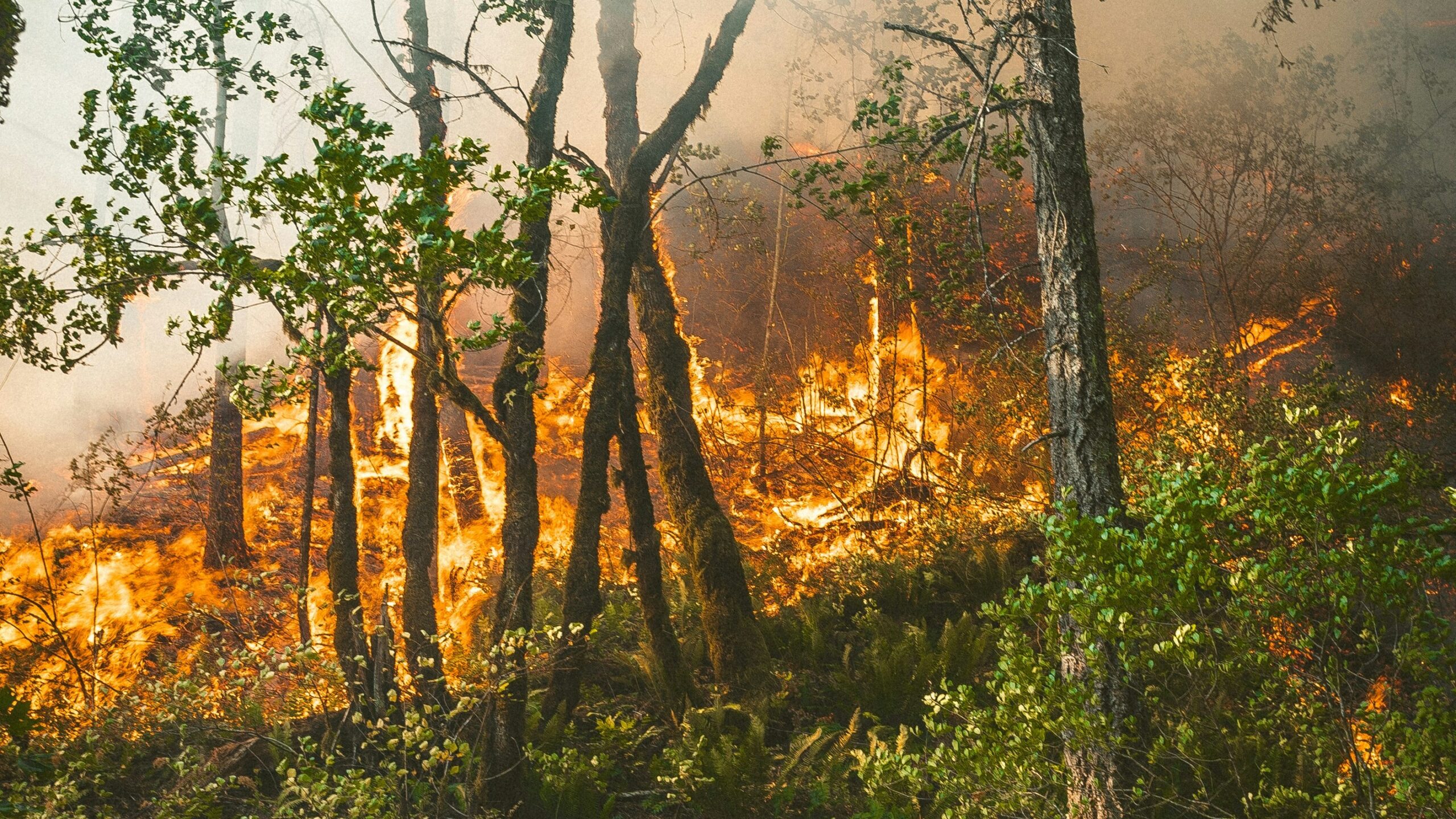
The Internal Revenue Service announced the relief on August 31, 2026, in release WA-2026-03, covering wildfires that began July 31, 2026. The counties named are Chelan, Ferry, Okanogan, Spokane, Stevens and Yakima. The same relief extends to the Confederated Tribes and Bands of the Yakama Nation, the Confederated Tribes of the Colville Reservation and the Spokane Tribe of Indians, since federally declared disaster relief follows tribal land the same way it follows county lines.
The postponement isn’t limited to your regular Form 1040. It covers individual and business returns, quarterly estimated payments, and payroll and certain excise tax deposits that would normally have been due July 31, 2026 or November 2, 2026. All of it now lands on February 1, 2027 instead, with no penalty or interest accruing in between for anyone whose address of record sits inside the disaster area.
Free retirement updates: Social Security and Medicare change every year, and nobody sends you a memo. Our free Retirement Shield newsletter breaks down what changed and what to do. Get it free in your inbox.
The Refund Rule That Used To Punish Disaster Filers
Here’s the part most disaster announcements never mention. If you overpaid taxes through withholding or estimated payments, the IRS treats that money as “paid” on your original filing deadline, not on the day you finally file. Separately, the tax code only lets you claim a refund within three years of filing, and it caps the refund at whatever you paid within a lookback window measured back from that claim. Historically, an ordinary extension you requested yourself counted toward stretching that lookback window. A disaster postponement handed to you by the IRS did not.
That mismatch meant someone who filed late purely because a wildfire, flood or hurricane pushed back their deadline could still lose part or all of an old refund to the three-year clock, even though the IRS itself was the one that told them they had more time. The postponement bought filing time but quietly failed to buy refund-eligibility time. In practice, that gap mattered most for people who don’t owe anything and have no other reason to rush a return once a disaster hits — they had the least incentive to file early and the most exposure to the old rule.
What Public Law 119-64 Actually Changes
Congress closed that gap with the Disaster Related Extension of Deadlines Act, enacted as Public Law 119-64 on December 26, 2025. The law amends Internal Revenue Code Section 7508A so that a disaster-related postponement period is now treated the same way a self-requested filing extension already was: as time that counts toward, and extends, the refund lookback period. The IRS’s own WA-2026-03 release flags this directly, noting the change applies to the relief it just granted these six counties.
The fix isn’t cosmetic. Before it, the postponement and the lookback period ran on two different clocks that didn’t talk to each other. Now they run on the same clock, so time the IRS added to your filing deadline because of a federally declared disaster also gets added to the window that decides how much of your refund survives.
What This Means If You File Late From One Of These Counties
If you’re in Chelan, Ferry, Okanogan, Spokane, Stevens or Yakima County, or on Yakama, Colville or Spokane Tribe land, and you use the full runway to February 1, 2027, this rule is the reason a late-filed return doesn’t also mean a shrunken refund. Any tax the IRS treats as paid on your original 2026 due date, whether through payroll withholding or a quarterly estimate, now stays inside your refund lookback window even though your actual return lands months later. You don’t have to do anything special to get this protection; it’s built into how the IRS is required to calculate your lookback period once your county is under an official disaster declaration and postponement, which WA-2026-03 already establishes.
The practical upside shows up most for households who overwithhold every year and expect a refund as a matter of course. Under the old rule, that group was the most exposed, since their refund existed only because of payments the IRS already had on file, sitting in a lookback window that a disaster postponement wasn’t extending. Under the current rule, filing at the postponed deadline instead of the original one no longer puts that money at risk. It also matters if a wildfire destroyed records you’d normally use to file promptly — the whole point of a postponement is to give you room to rebuild paperwork, and now that room no longer costs you refund dollars on the back end.
Who Else Qualifies And What Happens Next
Eligibility follows the IRS’s FEMA-linked disaster area map, so anyone whose principal residence, principal place of business, or tax records are located in the covered counties or tribal areas qualifies automatically; you generally don’t need to call the IRS to get it applied, though the agency notes taxpayers who receive a late penalty notice for the postponement period should call the number on the notice to have it abated. Washington Governor Bob Ferguson had already asked the federal government for exactly this kind of extension as the wildfires spread, and the IRS’s disaster relief page tracks every state currently under a similar postponement if your address falls just outside these six counties. Anyone unsure whether their specific city or tribal parcel is covered should check the IRS disaster relief hub before assuming either way, since disaster designations are drawn by county and reservation, not by zip code alone.
This article was produced with AI assistance and reviewed by a human editor. Figures are linked to their primary sources; where a claim could not be verified from the public record, we say so.
More Financial Reading