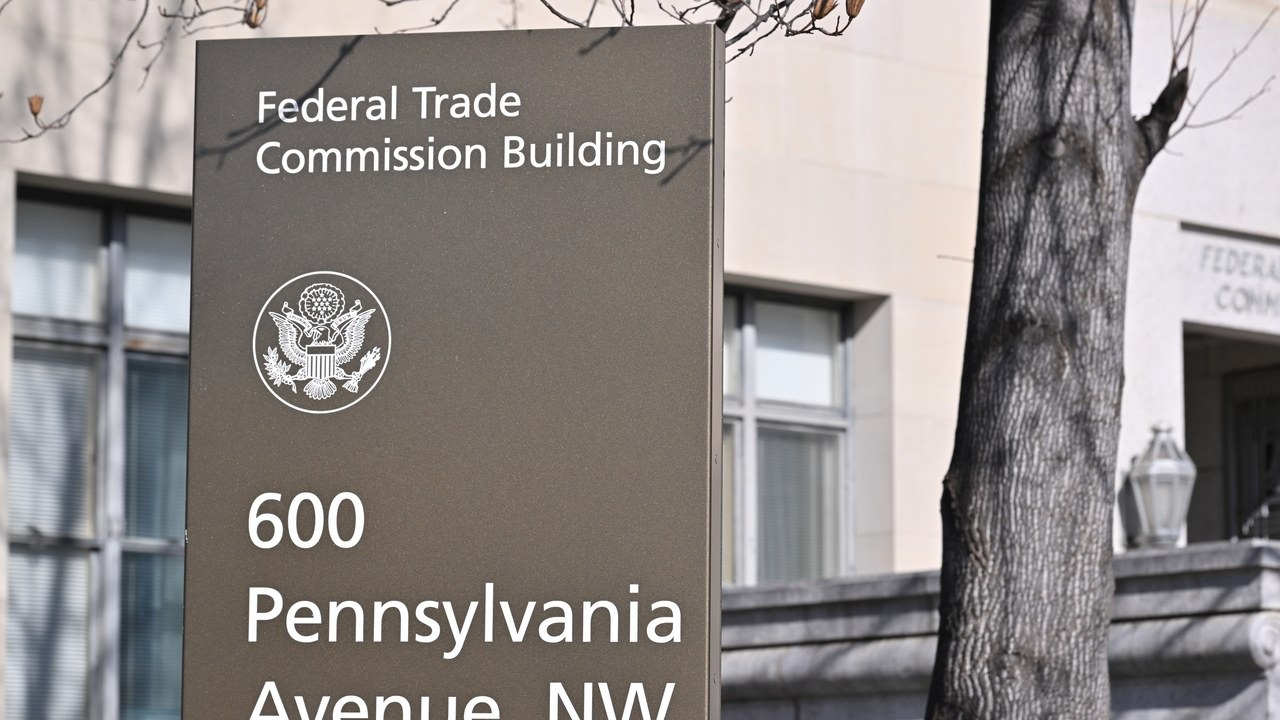
The Federal Trade Commission is mailing a second round of checks to people who paid to join a business-opportunity program called Blueprint to Wealth, which promised buyers a turnkey business run by so-called success coaches who would supposedly do the work for them. The agency says it is sending 2,005 payments totaling more than $333,000, and nobody had to fill out a claim form to get one — the money goes automatically to people who already cashed a payment from an earlier round last year. For anyone who has ever paid for a coaching program, a franchise pitch, or a system promising thousands of dollars a week with little effort, the case is a plain look at how far a settlement fund can fall short of what a scheme actually collected, and how the FTC decides who gets paid when it does.
How “Blueprint to Wealth” Turned Success-Coach Promises Into a $21,000 Membership
According to the FTC’s December 2023 complaint, the operation had run under several names, including Blueprint to Wealth, since at least 2018. The FTC says the scheme falsely promised members they would earn big money from an everything-is-done-for-you business opportunity backed by success coaches — the same term this week’s refund notice uses to describe what buyers were sold. Three individuals, Samuel James Smith, Robert William Shafer and Charles Joseph Garis Jr., along with a company called Business Revolution Group, allegedly charged consumers between $3,000 and $21,000, plus additional administrative fees, for the membership.
The FTC’s complaint describes marketing that included a robocall in which a supposed member claimed to earn about $50,000 a month, and a website telling prospective buyers they could start earning roughly $3,500 a week within days of signing up. In one call cited in the complaint, a defendant urged a woman in her seventies to join, telling her it would help her get out of debt, while allegedly knowing she was a retiree looking for extra income. A federal court in the Eastern District of Pennsylvania froze the defendants’ assets in December 2023, and the FTC reached its last settlement in the case in September 2024, which set up money for refunds rather than the criminal restitution some readers might expect from a fraud case this size.
Free retirement updates: Keep more of your Social Security and savings with plain-English updates on the changes, deadlines, and costly mistakes retirees miss. Subscribe free.
Two Rounds, Different Numbers: Tracing the FTC’s $666,631 Send to This Week’s $333,000 Batch
The FTC’s first distribution in this case went out in September 2025. At the time, the agency announced it was sending a total of $666,631 to 4,208 people who had paid into the scheme. But the FTC’s settlement page, updated in August 2026, describes that first round differently: it says the September 2025 mailing resulted in more than $317,000 in refunds — the money people actually cashed or accepted, which is less than what the agency initially sent out. Settlement funds hold a fixed dollar amount, and not every recipient cashes a check or accepts a PayPal payment before it expires, so a gap between what is mailed and what is collected is common.
That leftover balance is why a second round is going out now: 2,005 payments totaling more than $333,000, sent specifically to the consumers who accepted money the first time around. In other words, this batch is not a fresh group of victims getting paid for the first time — it is a repeat payment to people already confirmed as recipients, funded by whatever was left in the settlement fund after round one.
Automatic Money, No Claim Form — But a 90-Day Clock on the Check
This is the kind of redress the FTC handles without asking consumers to do anything. Court orders in FTC cases typically require defendants to hand over a list of customers, including what each person paid, and the agency uses that list to mail refunds directly — no claim form and no fee, according to the FTC’s refund FAQ page. Recipients of a check in this round have 90 days to cash it; anyone who gets a PayPal payment instead has 30 days to accept it. Questions go to the settlement administrator, JND Legal Administration, at 1-855-779-3542, the same number listed on the FTC’s Blueprint to Wealth settlement page.
The FAQ page also spells out the reverse: the FTC never asks a refund recipient to pay a fee or hand over a Social Security number or bank login to receive money, and any message demanding that is impersonating the agency. The FTC works with five outside administrators, including JND, to handle its refund mailings nationwide, and every active case is listed by name at the agency’s refund site — a safer way to verify a check than trusting an unsolicited call or email.
The $166 Figure Is Arithmetic, Not What Every Check Says
Divide $333,000 by 2,005 people and the average works out to about $166 — but that is outside math applied to the FTC’s own totals, not a number the agency published or a figure every recipient will see on their check. The refund FAQ explains that when a settlement does not hold enough money for full restitution, the FTC typically distributes payments pro rata, meaning each person gets a share proportional to what they originally lost. That means someone who paid $21,000 for a Blueprint to Wealth membership should receive a larger check than someone who paid closer to the $3,000 minimum, even within the same round.
That distinction outlasts this one case. The FTC’s consumer alert on the Blueprint to Wealth scheme warned buyers to be skeptical of any business opportunity that promises guaranteed weekly income while handing the actual work off to a coach — the same pitch regulators say cost members thousands of dollars apiece before the operation’s assets were frozen in December 2023.
This article was produced with AI assistance and reviewed by a human editor. Figures are linked to their primary sources; where a claim could not be verified from the public record, we say so.
More Financial Reading