Five of the country’s biggest pork processors have agreed to pay a combined $117 million to settle a long-running lawsuit accusing them of conspiring to inflate the price of bacon, chops, ribs and other raw pork sold in grocery stores nationwide. The deal covers people who bought pork for their own household, not restaurants or resellers, and a federal court has already given it preliminary approval. Anyone who bought raw pork for personal use between mid-2014 and mid-2018 in one of two dozen states or jurisdictions has until October 29 to file a claim.
The case, formally titled In re Pork Antitrust Litigation, has moved through the U.S. District Court for the District of Minnesota since 2018. This round of settlements resolves the claims against five remaining defendants — Tyson Foods, Clemens Food Group, Hormel Foods, Seaboard Foods and Triumph Foods — along with a data firm called Agri Stats.
Five Processors, One $117 Million Fund
According to the settlement administrator’s official case website, Tyson agreed to pay the largest share, $85 million, followed by Clemens at $13.5 million, Seaboard at $10 million, Hormel at $4.465 million and Triumph at $4.1 million — a combined $117.065 million. Agri Stats, which supplied processors with pricing and production data at the center of the antitrust allegations, agreed to pay nothing but is required to overhaul how it handles that data, including barring reports that reveal a single competitor’s plant-level pricing or production figures. None of the companies has admitted wrongdoing, and the court has not ruled that they did anything improper; the settlements simply end the litigation against them.
Free retirement updates: Miss an enrollment or claim deadline and it may be gone. Our free Retirement Shield newsletter keeps readers ahead of the ones that matter. Get the free newsletter.
Who Qualifies Under the 2014-2018 Purchase Window
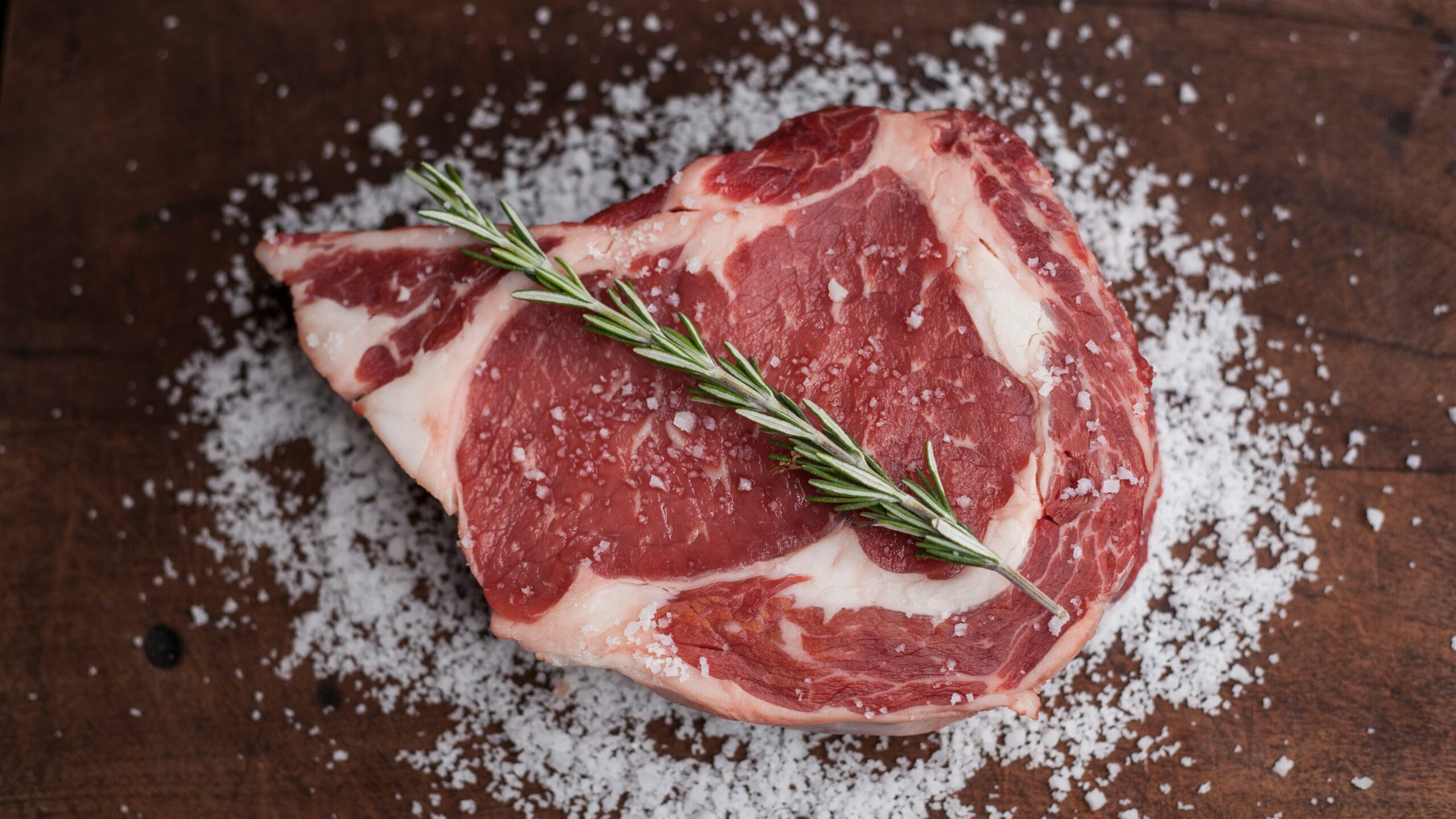
The settlement class covers people who indirectly bought raw pork bacon, or raw fresh or frozen pork made from bellies, loins, shoulder, ribs or chops, for personal use between June 28, 2014, and June 30, 2018. Buying it directly from one of the processors does not count; the class is built around purchases at a grocery store or supermarket. The purchase also has to have happened in one of 24 states or jurisdictions the case treats as “repealer” states, including California, Florida, Illinois, Michigan, Minnesota, New York, North Carolina, Tennessee and Utah, among others. Organic pork, “no antibiotics ever” pork, and any pork product other than bacon that was marinated, seasoned, flavored or breaded falls outside the settlement.
Filing Takes an Online Form, Not a Shoebox of Receipts
Under the claim filing instructions posted on the case site, no purchase documentation has to be submitted at the time a claim is filed, though the settlement administrator can later ask for information or records to support a specific claim. Filers who complete the form online receive a confirmation email with a code to keep for their records. A paper Claim Form can also be mailed to the administrator’s Portland, Oregon post office box, but it has to be postmarked, not just dropped in the mail, by October 29, 2026. Because payments are split on a pro rata basis among everyone who files a valid claim, the amount any single household eventually receives depends on how many people file and how much pork they report buying — there is no set dollar figure per claim yet.
Why Smithfield and JBS Are Missing From This Round
Two other major processors named earlier in the same lawsuit, Smithfield Foods and JBS USA, are not part of this $117 million settlement. According to the case FAQ page, both companies reached their own settlements with the class earlier in the litigation, and the claims periods tied to those deals have already closed. Anyone who filed against Smithfield or JBS previously does not need to do anything further for those settlements; this new claims window applies only to the Tyson, Clemens, Hormel, Seaboard and Triumph settlements, plus the non-monetary Agri Stats terms.
What Happens Before Any Checks Go Out
A federal judge issued an order granting preliminary approval to the settlements on July 31, 2026, which is what opened the current claims window. That approval is not final. A fairness hearing is scheduled for December 11, 2026, at 11:00 a.m. Central time before Judge John R. Tunheim in Minneapolis, where the court will weigh any objections and decide whether to formally approve the deal. Attorneys representing the class can ask the court for fees of up to one-third of the settlement funds, plus litigation costs and expenses, before any money is distributed to households that filed. If the settlements are approved and the case survives any appeals, payments would follow afterward, with the possibility of more than one distribution round depending on how much money remains after fees and administrative costs are paid.
The FAQ page attached to the settlement caps how much of the fund those costs can consume before members are paid: litigation expenses and settlement-administration costs are capped at $5 million, and each of the 29 named class representatives who brought the case can also receive a $3,000 service award. The claims administrator may also set a minimum payment amount before checks go out, and any money left over once further payouts stop being economically feasible does not sit idle — it is sent to a court-approved charity, escheated to a state, or distributed however the court orders.
This article was produced with AI assistance and reviewed by a human editor. Figures are linked to their primary sources; where a claim could not be verified from the public record, we say so.
More Financial Reading