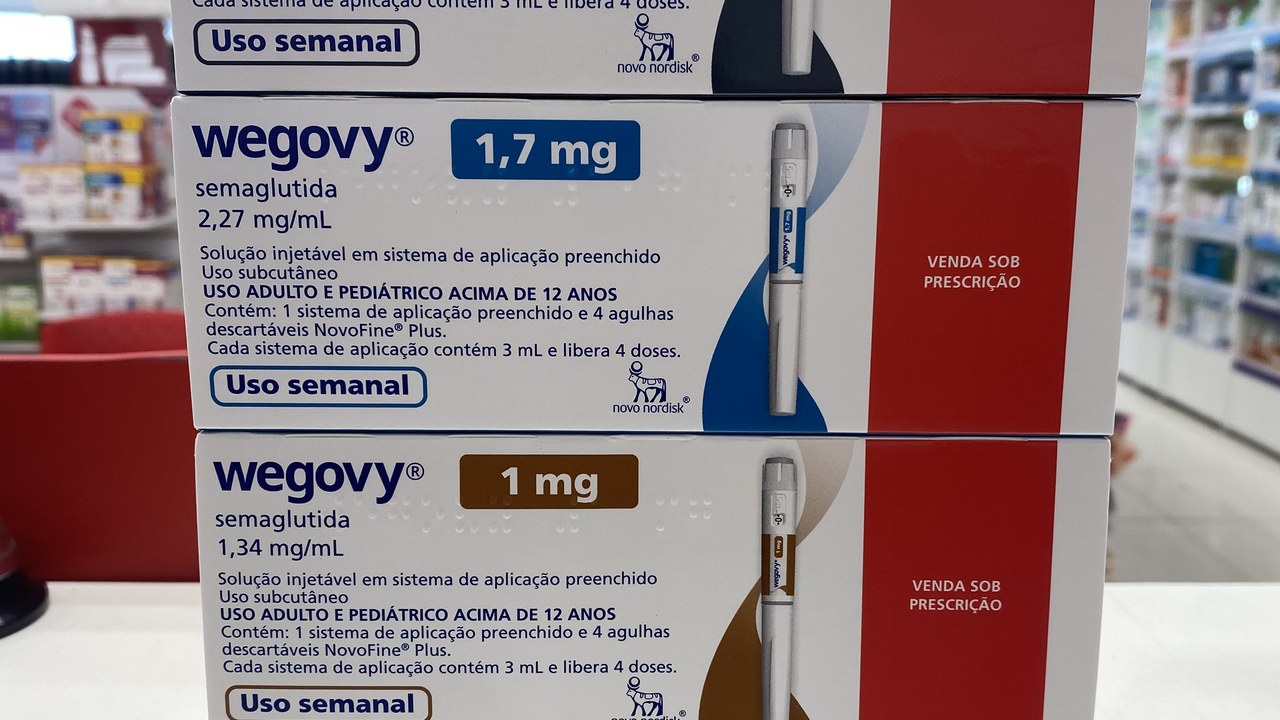
Millions of older Americans who take GLP-1 medications for obesity are now paying a flat $50 a month for the drugs, under a Medicare demonstration that started July 1, 2026. The Trump administration says the program has already produced a nine-figure savings total for seniors who previously had no coverage for these medicines, some of which otherwise carry list prices running into the hundreds of dollars for a single month’s supply. The claim appears in a White House fact sheet published August 31, tied to a broader campaign to renegotiate what drug manufacturers charge federal health programs and their beneficiaries.
The fact sheet states that senior citizens without prior access to GLP-1 coverage for obesity treatment gained access at $50 per month when the program launched in July, and that in its first two months, more than 500,000 seniors saved a combined $216 million on the medications. Those figures come directly from the administration rather than an independent audit, and they were released alongside a separate announcement of nine new drug-pricing agreements covering a wider set of medicines.
How the $50 GLP-1 Bridge Copay Works
The program behind the $50 price is called the Medicare GLP-1 Bridge, a short-term demonstration that the Centers for Medicare & Medicaid Services began running on July 1, 2026, with plans to continue through December 31, 2027. CMS Administrator Dr. Mehmet Oz said the demonstration exists because “too many seniors are currently unable to access” GLP-1 treatments “due to high cost,” while Chris Klomp, director of Medicare and chief counselor at the Department of Health and Human Services, described the goal as making access “simpler, more predictable, and more consistent across the Medicare program,” according to a CMS announcement. The demonstration runs outside the normal Part D coverage and payment structure, with CMS handling prior authorization, claims and pharmacy payment through a single central processor rather than through individual Part D plans, so plan sponsors carry no financial risk for the drugs dispensed under the program. CMS says it is running the demonstration under Section 402(a)(1)(A) of the Social Security Amendments of 1967, as applied to Part D by the Social Security Act, which lets the Secretary of Health and Human Services test payment changes without new legislation from Congress specifically covering GLP-1 drugs.
Free retirement updates: One number can cost or save hundreds a month in retirement. The free Retirement Shield newsletter surfaces the ones worth knowing. Sign up free.
The Savings Figures, According to the Administration
Beyond the $216 million tied specifically to the GLP-1 Bridge, the same fact sheet credits a related program, the TrumpRx.gov discount portal launched in February 2026, with saving patients more than $700 million on medications since it opened, including discounts on drugs used for both obesity and infertility treatment. The GLP-1 savings are framed as one piece of a larger set of “most-favored-nation” pricing deals the administration has struck with pharmaceutical manufacturers, which as of August 31 numbered 26 companies covering roughly 89% of the branded drug market, according to the White House fact sheet.
A Broader Pricing Campaign Behind the Program
The nine manufacturers added most recently under those pricing deals, including Teva Pharmaceuticals, Sun Pharma and CSL, committed to invest at least $19.6 billion collectively in U.S. manufacturing, per the same fact sheet. Several of those companies also agreed to donate raw pharmaceutical ingredients to a federal stockpile intended to reduce reliance on foreign supply chains for common drugs; UCB alone pledged 163 tons of the anti-seizure drug levetiracetam, while Sun Pharma and Teva pledged tens of tons of antibiotics used to treat bacterial infections, according to the fact sheet. The administration’s Council of Economic Advisers has projected the full set of most-favored-nation deals could produce $600 billion in savings over the next decade, though that figure is a forward-looking estimate rather than money already saved, unlike the $216 million GLP-1 figure, which the fact sheet describes as savings already realized in the program’s first two months.
Who Qualifies, and What the $50 Doesn’t Include
The $50 price is not available to every Medicare enrollee. It applies only to beneficiaries enrolled in a Medicare Part D prescription drug plan, and only for GLP-1 medications furnished under the Bridge demonstration specifically. Because those drugs are provided outside the standard Part D benefit and payment flow, the mechanics differ from an ordinary drug copay: the $50 applies regardless of where a beneficiary stands in their Part D deductible, and none of it counts toward true out-of-pocket costs, the running total that determines when catastrophic coverage begins. Beneficiaries who already qualify for Medicare’s low-income subsidy do not receive an additional subsidy on top of the $50 copay under this demonstration, since the drugs sit outside the benefit structure that subsidy normally applies to, according to CMS’s program page. CMS directs beneficiaries who want to check eligibility to Medicare.gov or the 1-800-MEDICARE help line rather than to a pharmacy or Part D plan directly.
A Short Bridge to a Longer-Term Program
The name “Bridge” is deliberate. CMS has described the current $50 demonstration as a stopgap ahead of a separate, larger initiative called the Better Approaches to Lifestyle and Nutrition for Comprehensive hEalth Model, under which the agency would negotiate net pricing and standardized coverage terms directly with GLP-1 manufacturers on a longer-term basis. That model was originally expected to begin in Medicaid as early as May 2026 and in Medicare Part D in January 2027, with participation by states, manufacturers and Part D plans voluntary rather than required, according to CMS’s original announcement of the model. CMS has said the Bridge demonstration itself will keep running through the end of 2027, in part to give the agency more usage data on how seniors are actually using GLP-1 drugs, data it plans to share with Part D plan sponsors before any broader rollout of the longer-term model. Until that longer-term model takes effect, the $50 price and the administration’s savings claims tied to it depend entirely on the Bridge demonstration staying in place as scheduled.
This article was produced with AI assistance and reviewed by a human editor. Figures are linked to their primary sources; where a claim could not be verified from the public record, we say so.
More Financial Reading