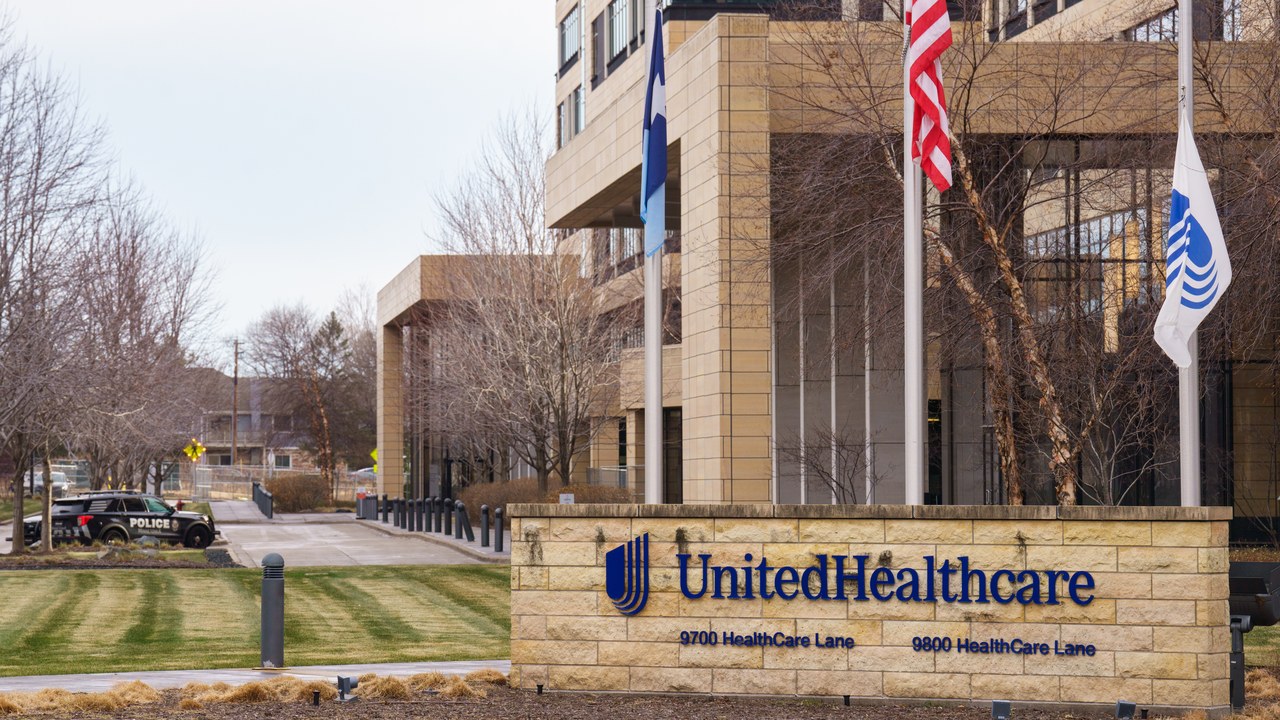
Rhode Islanders who stuck with their UnitedHealthcare Medicare Advantage plan last year specifically to keep seeing a Brown University Health doctor are now finding that the doctor is gone from the network too. Brown Health’s hospitals left UnitedHealthcare’s Medicare Advantage network in July 2025; as of July 1, 2026, the health system’s outpatient physician offices — primary care, surgery, urology, dermatology and more — are out of network as well. For households that planned their care and their budget around a familiar doctor, the second exit resets the math, and the state’s fast-track window to switch plans without waiting for the fall has already closed.
Hospitals Left First in July 2025; the Doctors Followed a Year Later
The split unfolded in two stages. Brown University Health’s hospitals — Rhode Island Hospital, the Miriam Hospital and Newport Hospital among them — went out of network with UnitedHealthcare Medicare Advantage plans, including Group Retiree PPO coverage, on July 1, 2025, after contract talks broke down. Patients who kept their UnitedHealthcare plan through that first exit could still see their Brown physicians in-network, so many stayed enrolled rather than switch carriers. A year of renewed negotiating produced no agreement on the physician contract either, and the outpatient practices followed the hospitals out of network exactly one year later, on July 1, 2026. That gap between the hospital exit and the physician exit is unusual — insurers and health systems more often split from a network all at once — and it is part of why patients who already adjusted their care once now have to adjust again.
The July 2026 change affects only UnitedHealthcare Medicare Advantage members, including Group Retiree plans; people with UnitedHealthcare commercial, Medicaid, dual-eligible or Medicare supplement coverage are not affected and can keep seeing Brown physicians as before. The offices that lost their contract cover most of what an older patient is likely to need in a given year: Brown Medicine, Brown Surgical, Brown Urology, Brown Neurology, Brown Dermatology, Brown Emergency Medicine and the primary care practices under Brown Health Medical Group, according to UnitedHealthcare’s own update on the negotiation.
Free retirement updates: One number can cost or save hundreds a month in retirement. The free Retirement Shield newsletter surfaces the ones worth knowing. Sign up free.
Rhode Island’s Emergency Switching Window Already Closed
Because the second exit hit primary care and specialty offices rather than just hospital beds, federal regulators treated it as disruptive enough to open an early door out. The Centers for Medicare & Medicaid Services approved a special election period letting affected members switch Medicare Advantage plans or move to Original Medicare without waiting for the annual sign-up window. UnitedHealthcare began mailing notice letters on June 17, 2026, and the special window stayed open only through August 31, 2026 — a date that had already passed by the time this reporting was confirmed, according to the Rhode Island Attorney General’s office, which set up a page tracking the dispute.
“Rhode Islanders have every right to be frustrated at a health care system that doesn’t work for them,” Attorney General Peter Neronha said in the office’s published guidance, adding that his office expects UnitedHealthcare and Brown Health to keep continuity-of-care resources “easily accessible” for patients caught in the dispute. Anyone who missed the special window is left with the standard sign-up period the rest of the country uses: the Medicare Open Enrollment Period that runs October 15 through December 7, 2026, for coverage that starts January 1, 2027.
Emergency Care Stays Covered No Matter What the Network Says
One protection does not depend on any deadline. Federal Medicare Advantage rules require every plan to cover emergency care at in-network cost, even when the hospital or physician providing it is out of network, and members cannot be charged more for it. Under the federal regulation governing emergency and urgently needed services, a UnitedHealthcare Medicare Advantage member who ends up at Rhode Island Hospital or the Miriam Hospital in a true emergency still pays the same copay they would have paid before the split. The same protection covers medically necessary post-stabilization care right after an emergency, so a patient stabilized at an out-of-network Brown facility does not lose coverage the moment they are no longer in immediate danger. Rhode Island regulators have specifically told patients not to delay emergency care over network status, since the financial protection applies automatically.
Non-Emergency Visits Cost More, But Two Programs Can Help Bridge the Gap
Routine and specialty visits are a different story. A UnitedHealthcare Medicare Advantage member who keeps seeing a Brown physician for a scheduled, non-emergency visit now faces higher out-of-pocket costs, or the full bill, depending on the plan and the service. For a retiree on a fixed income, that gap can mean the difference between a familiar specialist copay and a bill running into the hundreds or thousands of dollars for the same visit. Two narrower tools can soften that for people already mid-treatment. Anyone actively being treated by a Brown physician when the July 1 exit hit can apply for a continuity-of-care arrangement that holds their old in-network cost-sharing in place for a limited time while they finish that course of care; the request has to go through UnitedHealthcare directly, using the number on the back of the insurance card. Members who need help sorting out which option fits their situation can also reach the Rhode Island State Health Insurance Assistance Program, a free state counseling service, at 888-884-8721.
Brown Isn’t Alone — Hospitals and Insurers Are Splitting Nationwide
Brown Health’s exit is one entry on a list that has been growing all year. As of an August 31, 2026 update, Becker’s Hospital Review’s running tracker counted 16 health systems that had dropped or narrowed Medicare Advantage contracts with one or more insurers in 2026, on top of the systems that made the same move in 2025. For Rhode Island retirees, the practical lesson from Brown’s two-stage exit is that a hospital leaving a network does not guarantee the affiliated doctors will stay, and the next disruption, wherever it happens, is likely to come with the same short list of real protections: emergency coverage that holds regardless of network status, a continuity-of-care request for anyone already in treatment, and a fixed enrollment calendar for everyone else.
This article was produced with AI assistance and reviewed by a human editor. Figures are linked to their primary sources; where a claim could not be verified from the public record, we say so.
More Financial Reading