The Federal Trade Commission is in the middle of another round of payments to Amazon Flex drivers whose tips the company secretly kept years ago. This time the money is arriving by Zelle rather than a paper check, aimed specifically at drivers who never cashed the check the agency mailed them the first time around. As with the earlier rounds, nobody has to apply or fill out a form to get paid.
A Third Round Of Payments, Sent Automatically By Zelle
The agency is sending Zelle payments to eligible Amazon Flex drivers who had their tips withheld by Amazon between 2016 and 2019, specifically targeting people who received a check in an earlier round but never cashed it. If a driver gets one of these Zelle payments, it lands directly in their bank account along with a note referencing the settlement, and the FTC is explicit that it will never ask anyone to pay money or hand over account information first to receive it.
According to the FTC’s own refund page, dated August 2026, the agency does not publish a dollar total for this specific Zelle round, so there’s no new headline number to report beyond the payment method itself. What is clear is that this is the third time the FTC has pushed money out the door on this case: after an initial batch of checks in November 2021, a second round followed in May 2025, and together those two rounds returned more than $60.6 million of withheld tips.
Free retirement updates: Enrollment and claim windows come and go, and missing one can cost you real money. The free Retirement Shield newsletter keeps you ahead of the deadlines that matter. Sign up free.
How Amazon Kept Drivers’ Tips In The First Place
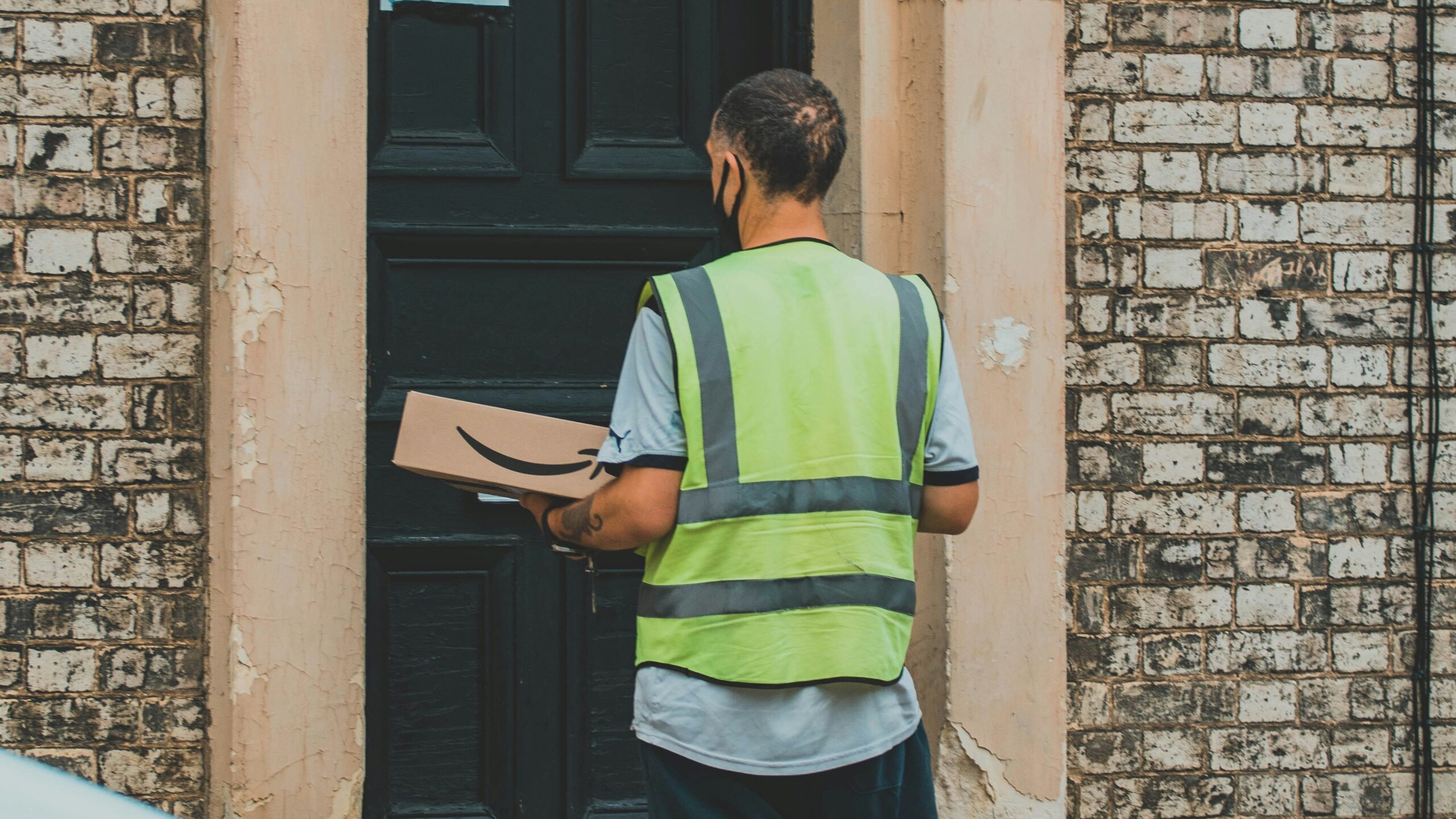
The case goes back to how Amazon Flex, the program where independent contractors use their own vehicles to deliver Prime Now and AmazonFresh orders, handled customer tips. According to the FTC’s original 2021 complaint, Amazon advertised that Flex drivers would earn $18 to $25 an hour and would keep 100 percent of any tips customers left them. In late 2016, without telling drivers, Amazon quietly began paying a lower hourly rate and using customer tips to cover the difference, while continuing to tell both drivers and customers that tips were being passed through in full. The company kept up the practice for roughly two and a half years, even after fielding hundreds of driver complaints, and only reversed course in August 2019 after learning the FTC was investigating.
The First Two Rounds Already Returned More Than $60.6 Million
Amazon ultimately agreed to pay $61,710,583, the full amount the FTC said it had withheld, to settle the case. The bureau’s November 2021 announcement detailed how that first round went out: 139,507 checks and 1,621 PayPal payments to more than 140,000 drivers, with anyone owed more than $5 getting the full amount they were shorted. The highest single payment topped $28,000, while the average driver received $422. A second distribution followed in May 2025, and the two rounds combined are what the FTC now describes as more than $60.6 million returned. The Zelle payments going out now specifically target drivers who were sent a check in one of those earlier rounds but for whatever reason never cashed it, whether because it arrived at an old address, got lost, or simply sat forgotten.
No Claim Form, But Watch For Scammers Copying The Real Thing
Because the FTC already has records identifying who is owed money and how much, nobody needs to submit a claim, sign up on a website, or prove anything to get paid; the agency is simply working through its list of drivers who haven’t yet received their share. That also makes this exactly the kind of case scammers like to imitate, since a real government payment program gives cover for a fake one. The FTC’s standing guidance applies here as it does to every refund program it runs: the agency will never demand payment, threaten a driver, or ask for a bank password or one-time code to “verify” a Zelle deposit. Anyone who gets an unexpected text or call asking for that kind of information, even one that references Amazon Flex or the FTC by name, should treat it as a scam rather than a shortcut to a faster payment.
Drivers with questions about a payment, including whether they’re covered or why a check from an earlier round never cleared, can reach the refund administrator directly at the phone number listed on the FTC’s case page rather than responding to an unsolicited message. For a company as large as Amazon, a settlement like this is a rounding error; for an individual Flex driver who worked those routes between 2016 and 2019, an unexpected few hundred dollars showing up years later is real money that was theirs to begin with.
The settlement also changed how Amazon is allowed to handle tips going forward, not just what it owed for the past. Under the order, Amazon is barred from misrepresenting a driver’s likely income, how much of a customer’s tip will actually reach them, or whether a payment a customer makes is a tip at all, and the company cannot change how it treats driver tips again without first getting each driver’s express, informed consent. That forward-looking piece matters as much as the refund itself: it’s the part of the case meant to stop a similar quiet policy change from happening to the next generation of Flex drivers without anyone noticing until their paychecks came up short.
This article was produced with AI assistance and reviewed by a human editor. Figures are linked to their primary sources; where a claim could not be verified from the public record, we say so.
More Financial Reading