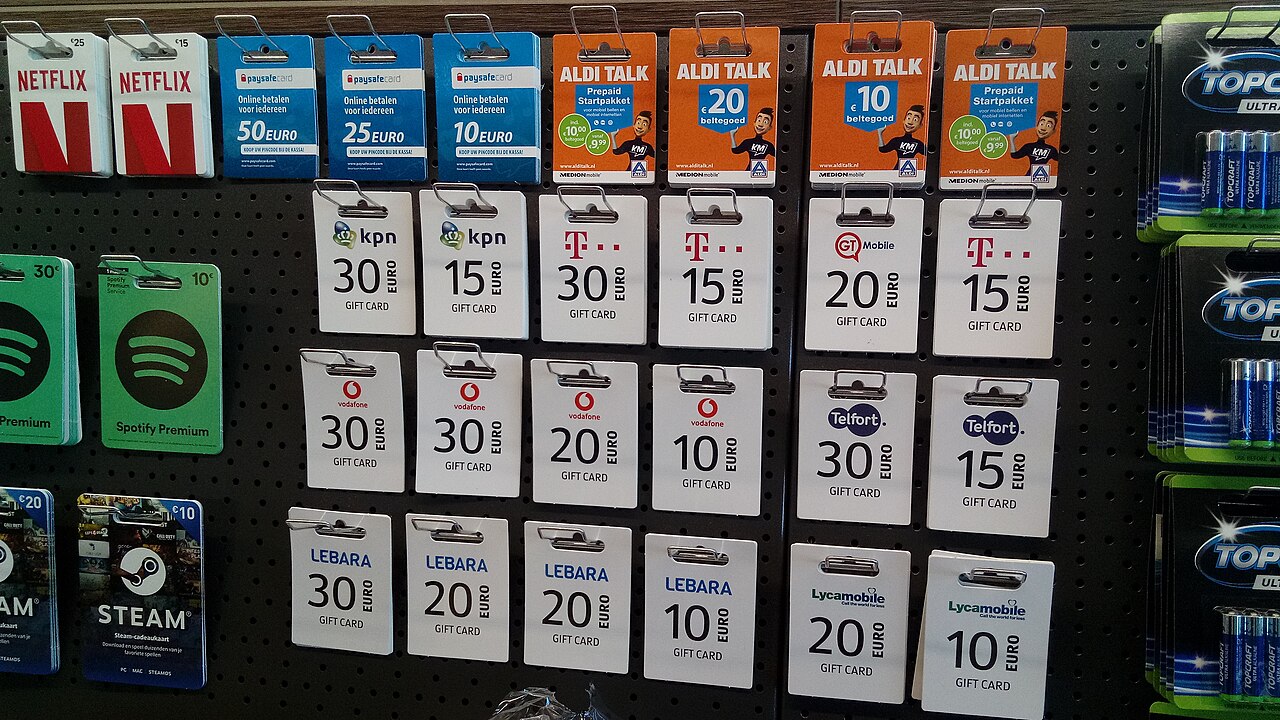
If someone calls claiming to be from the IRS, Social Security, Medicare, or the local sheriff and tells you to pay a debt or a fine with gift cards, a wire transfer, or cryptocurrency, you can stop listening right there. It is a scam — every time, no exceptions. No real government agency collects money that way, and the demand itself is the tell. Knowing that one rule turns a frightening, high-pressure phone call into an easy hang-up, and it protects the savings that scammers work hard to talk people out of.
The payment methods that signal a scam
Scammers steer victims toward gift cards, wire transfers, cryptocurrency, gold, and cash couriers for a simple reason: those payments are fast and nearly impossible to reverse or trace. Once you read a gift card’s numbers over the phone or send crypto to a stranger’s wallet, the money is essentially gone. That irreversibility is the whole point for a scammer, and it is why these methods almost never appear in a legitimate bill.
The Federal Trade Commission is blunt about it in its guidance on avoiding government impersonation scams: the government will never call, email, or text to demand immediate payment, and it will never require you to pay with gift cards, cryptocurrency, or a wire transfer. Any caller who insists on one of those methods is telling you exactly what they are.
Free retirement updates: One number can cost or save hundreds a month in retirement. The free Retirement Shield newsletter surfaces the ones worth knowing. Sign up free.
How real agencies actually contact you
Government offices generally reach out by mail, not by a surprise phone call threatening arrest. The IRS does not call to demand instant payment or threaten to send police for an unpaid bill, and it gives you the chance to question or appeal what you owe. Social Security will not call to say your number has been “suspended” or tied to a crime, and it will not ask you to move your money into a “safe account” to protect it — there is no such thing. Medicare will not phone out of the blue asking you to pay a fee to keep your coverage. When something is genuinely owed, you receive written notices and a real process, with time to respond, rather than a countdown clock and a threat. If a caller cannot put the claim in writing and give you time to review it, that alone tells you the “agency” on the line is not real.
The pressure tactics that come with it
The payment method is the biggest red flag, but the script around it is just as revealing. Scammers manufacture urgency — an arrest warrant, a frozen benefit, a court date you supposedly missed — to keep you scared and moving fast. They may demand secrecy, insist you stay on the phone while you drive to buy gift cards, or tell you not to talk to family or your bank. Caller ID can be faked to show a real agency’s name or number, so what you see on the screen proves nothing. Some scammers even work in pairs, handing you off to a fake “supervisor” or “officer” to make the story sound official. Any combination of a demand for payment, a threat, and one of those untraceable payment methods should trigger the same response: hang up.
What to do instead — and where to report it
If you get one of these calls, do not press a button, confirm personal details, or send anything. Hang up, and if you want to be sure about your own account, look up the agency’s phone number yourself from an official source and call it directly — never use a number the caller gave you. It costs nothing to check, and a legitimate matter will still be there when you call back. Report the attempt so it can be tracked and stopped: government impersonation and payment scams can be reported to the FTC, and calls that impersonate Social Security can also be reported to the Social Security Administration’s Office of the Inspector General. If you have already paid, act fast — contact the gift-card company, your bank, or the wire or crypto service right away, because speed gives the only real chance of recovering funds. Share this one rule with the people in your life who are most likely to get these calls: no government agency will ever ask to be paid in gift cards, wire transfers, or cryptocurrency, so that ask is always the scam.
This article was produced with AI assistance and reviewed by a human editor. Figures are linked to their primary sources; where a claim could not be verified from the public record, we say so.
More Financial Reading