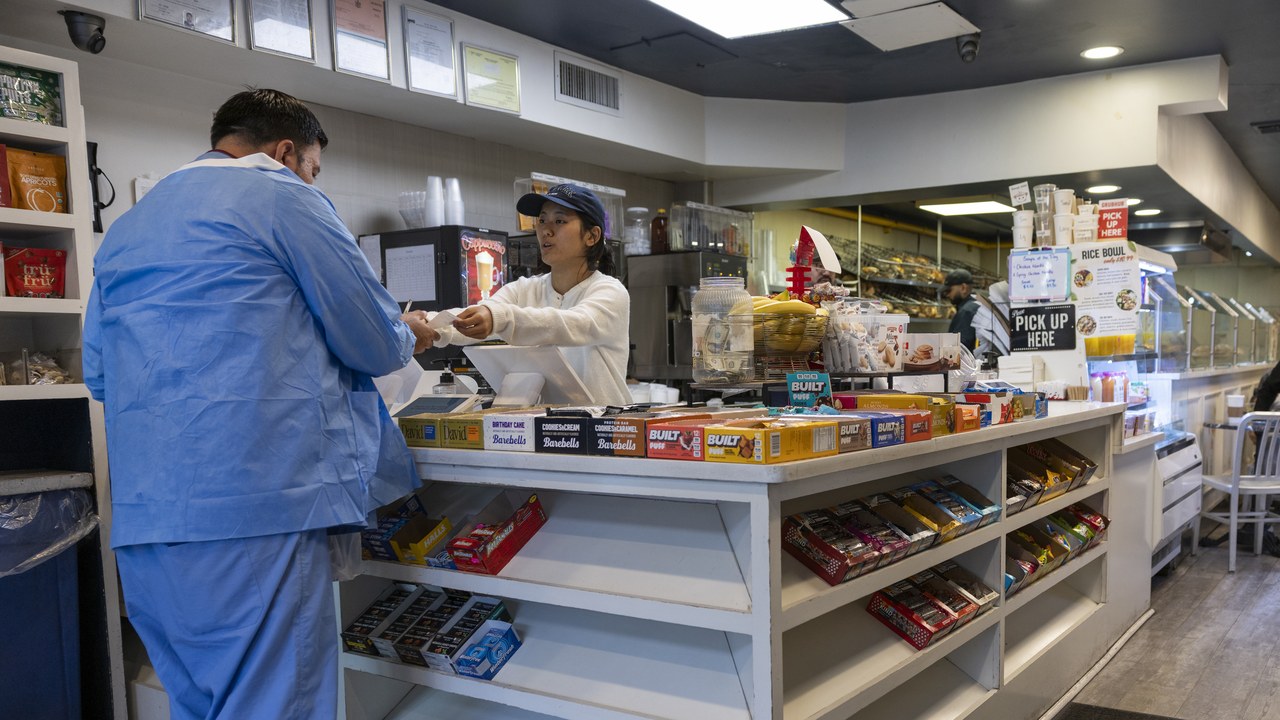
Beef is doing something the rest of the grocery bill is not. While overall food prices are rising at a rate most households would call ordinary, the meat counter is running four times faster — and the reason sits in a cattle inventory that has been shrinking for years and cannot be reversed in one.
The forecast, and the number it should be compared against
The Department of Agriculture’s Economic Research Service maintains the federal food price forecast, and its most recent update, dated July 24, predicts that beef and veal prices will increase 10.7 percent in 2026, with a prediction interval of 7.2 to 14.6 percent.
The comparison figures are what give that number meaning. In the same forecast, prices for all food are predicted to increase 3.1 percent in 2026, and food-at-home prices — groceries, as distinct from restaurants — are predicted to increase 2.7 percent. Beef is not riding a general food inflation wave. It is the outlier pulling the average up.
Not every category is moving in the same direction, and one is moving hard the other way: egg prices are predicted to decrease 30.7 percent in 2026. A household that shifted its protein spending toward eggs during the price spike of recent years is being rewarded this year in a way it was not before.
Free retirement updates: Keep more of your Social Security and savings with plain-English updates on the changes, deadlines, and costly mistakes retirees miss. Subscribe free.
What is actually driving it
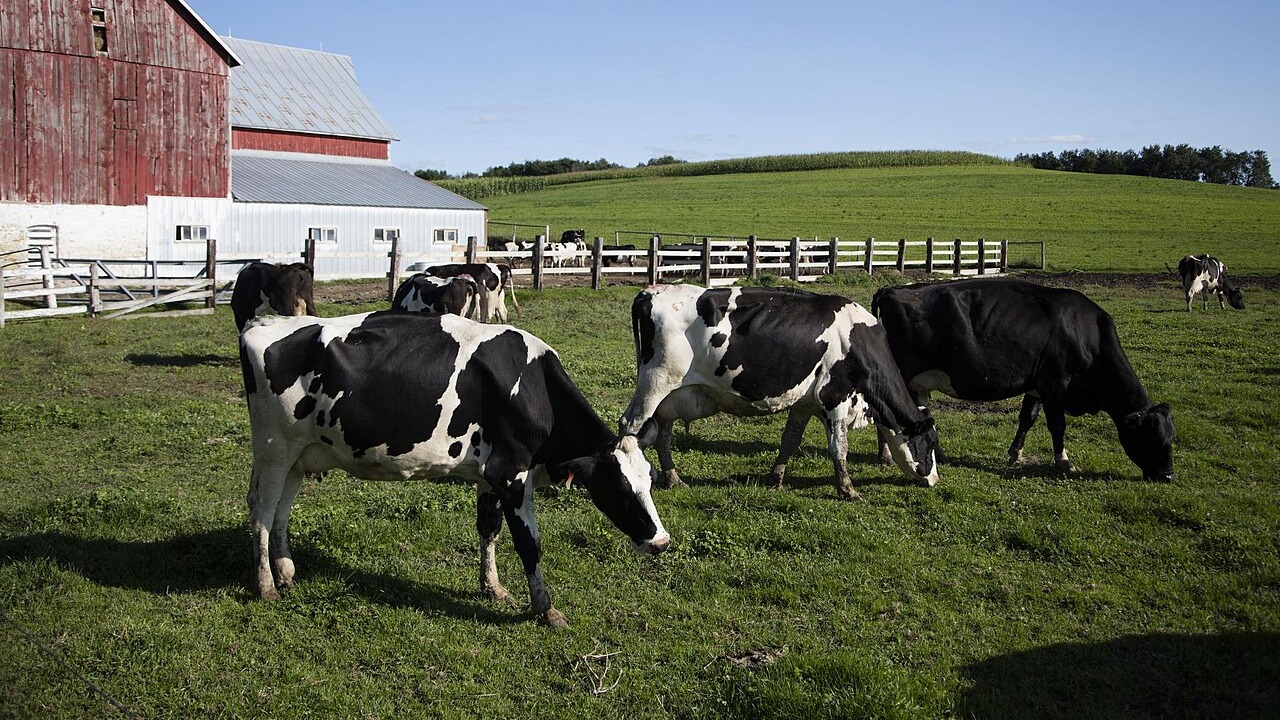
The cause is supply, and the agency states it directly. ERS reports that beef and veal prices rose 1.4 percent from May 2026 to June 2026 and were 11.8 percent higher in June 2026 than in June 2025, noting that its Livestock, Dairy and Poultry Outlook finds the U.S. cattle herd has decreased to its lowest level in 75 years, with wholesale beef prices remaining at all-time highs for this time of year.
A cattle herd is not a factory that can add a shift. Bringing a calf to market weight takes roughly two years, and rebuilding a herd requires ranchers to hold back heifers that would otherwise have been sold — which reduces the supply of beef further in the short run, at exactly the moment prices are highest and the incentive to sell is strongest. That is why herd contractions persist: the fix makes the immediate problem worse before it makes it better.
The consequence for a household is that this is not a price spike waiting to snap back next quarter. Barring a demand collapse, the supply side of this cannot correct quickly, and a forecast built on a 75-year low in inventory is describing a floor rather than a peak.
Why a forecast is more useful here than a price memory
Households are unreliable narrators of their own grocery costs, and beef is the category where that is most pronounced. A single visible price — a steak, a package of ground chuck — tends to stand in for the whole bill, and the number people remember is usually the lowest price they ever paid rather than the average they actually paid.
A federal forecast corrects for that in a way personal recall cannot. It is built from Consumer Price Index and Producer Price Index data across the full basket, updated monthly, and published with an explicit prediction interval rather than a single confident figure. The underlying cattle and beef sector data that drives it is public as well, which is unusual for a commodity that affects household budgets this directly.
Where the increase actually lands in a cart
Percentages spread unevenly across a meat case. Ground beef and the cheaper cuts have historically absorbed a disproportionate share of increases during tight cattle supply, because those are the products with the broadest demand and the least room to substitute. That falls hardest on households that were already buying the least expensive option.
Substitution is the lever that actually exists, and the same forecast quantifies it. With food-at-home overall predicted up 2.7 percent and eggs down 30.7 percent, a household that moves a portion of its weekly protein away from beef is moving toward categories rising at roughly a quarter of beef’s rate, or falling outright. Poultry and pork are not immune to feed costs, but neither is working against a 75-year low in herd size.
Buying pattern matters as much as the choice of protein. Larger cuts broken down and frozen at home, cheaper cuts cooked long and slow, and beef used as a component rather than the center of a plate all lower the per-meal cost without removing it from the menu — which is the relevant goal for most households, since the forecast does not suggest a year in which beef becomes cheap again.
The next number to watch
The 10.7 percent figure is a forecast, and ERS revises it monthly as new Consumer Price Index and Producer Price Index data arrive. The July update incorporates June’s CPI and PPI readings, and the agency publishes revisions on a regular monthly cadence.
That makes the late-August release the one worth checking for anyone planning a grocery budget through the autumn. The prediction interval of 7.2 to 14.6 percent is unusually wide, which is the agency’s own signal that the underlying data is volatile — and a revision in either direction inside that range would change what a household should expect at the register between now and December. The Food Price Outlook is free, updated monthly, and considerably more reliable than the price memory that tells shoppers everything has doubled.
This article was produced with AI assistance and reviewed by a human editor. Figures are linked to their primary sources; where a claim could not be verified from the public record, we say so.
More Financial Reading