Refund programs almost always leave money behind. Checks go to old addresses, land in a stack of mail that looks like junk, or arrive for someone who has long since stopped thinking about the job in question. Federal agencies usually let those uncashed checks expire. In this case the Federal Trade Commission is trying a third time, using a payment method that does not depend on where anyone’s mail goes.
What the money is for
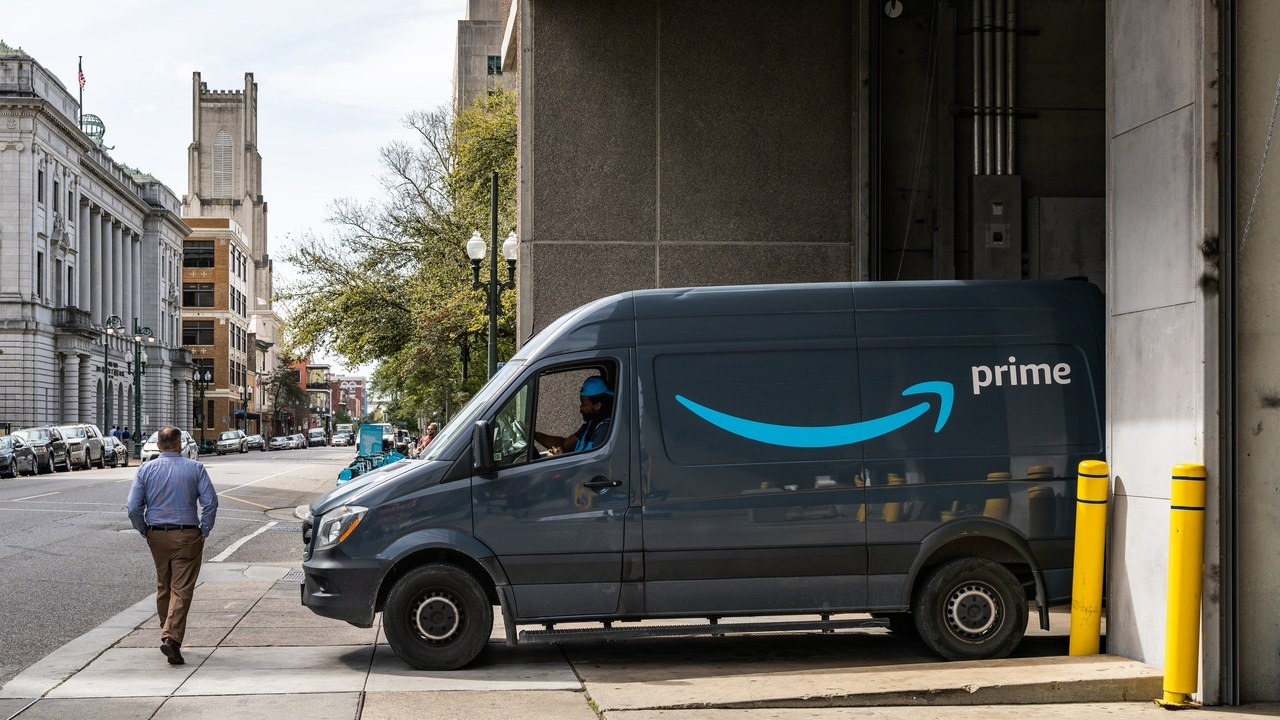
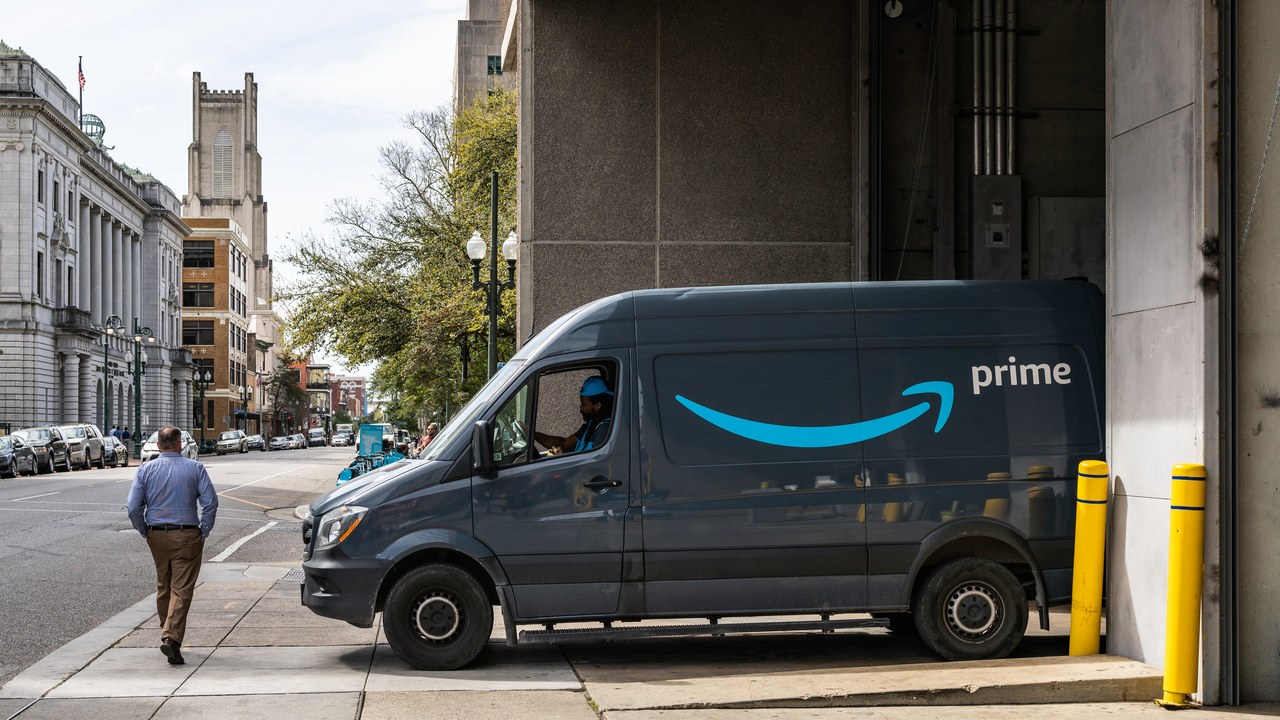
Between 2016 and 2019, Amazon withheld tips from Amazon Flex drivers — the contractors who deliver packages in their own vehicles. Customers who tipped believed the tip went to the driver. The FTC’s case established it frequently did not.
The commission has been returning that money in stages. Its refund page for Amazon Flex drivers, updated this month, lays out the sequence: the FTC first sent payments in November 2021, then a second round in May 2025, together resulting in more than $60.6 million in returned tips. It is now sending Zelle payments to people who did not cash their check.
That $60.6 million figure covers the first two rounds. The FTC has not published a total for the current round, and it has not published a per-driver figure — the amount varies with how much each driver was shorted, and there is no average being represented as an expected payment.
Free retirement updates: One number can cost or save hundreds a month in retirement. The free Retirement Shield newsletter surfaces the ones worth knowing. Sign up free.
Why Zelle, and what it looks like
The choice of payment method is the interesting operational decision here. A check requires a current mailing address and an affirmative act — the recipient has to receive it, recognize it as legitimate, and deposit it before it expires. Every one of those steps is a place to lose people, particularly gig workers who moved in the years since the conduct occurred.
Zelle removes the mail entirely. The FTC says the payment is deposited directly into the recipient’s bank account with a note about the settlement attached. There is nothing to claim, no form to submit, and no deadline for the recipient to act on, because the deposit is the transaction rather than an invitation to complete one.
The practical instruction for a former Flex driver is therefore narrow: watch the bank account rather than the mailbox, and look for a deposit carrying a settlement reference. Anyone with questions can reach the refund administrator at 1-800-654-8874.
An automatic payment is also a scam opportunity
Every publicized federal refund produces a wave of impersonation, and this one has a feature that makes it more exploitable than most: recipients are expecting money to arrive in their bank account, from an agency, without having done anything to request it. That is a useful setup for someone claiming a payment needs to be “released” or “verified.”
The FTC states the rule plainly on its own refund page: the FTC never asks you to pay money to get a refund. There is no processing fee, no tax to prepay, and no verification charge attached to a legitimate federal refund. Nor is there any reason for the agency or its administrator to ask for a Social Security number, an online banking password, or a one-time verification code by phone or text.
Zelle is worth a specific warning because of how it works. Zelle transfers are effectively instant and, unlike a credit card charge, extremely difficult to reverse. Someone convinced to send a Zelle payment to “confirm” their identity is unlikely to get it back. Money arriving by Zelle in this program requires no reciprocal payment of any kind.
What this round says about unclaimed refunds generally
The reason a third payment round exists is that a meaningful number of people did not cash a check the government mailed them. That is not unusual, and it is a reasonable prompt to check other places where money may be sitting.
The FTC maintains a list of its active refund programs, searchable by company, covering cases well beyond this one. State unclaimed property offices hold uncashed payroll checks, forgotten deposits and dormant account balances indefinitely, and searching them is free. And the Labor Department maintains its own database of back wages recovered on behalf of workers it could not locate.
The common thread is that none of these require a fee, an intermediary, or a service. Any offer to recover unclaimed money on someone’s behalf for a percentage is charging for a search the person can run themselves in a few minutes.
This article was produced with AI assistance and reviewed by a human editor. Figures are linked to their primary sources; where a claim could not be verified from the public record, we say so.
More Financial Reading