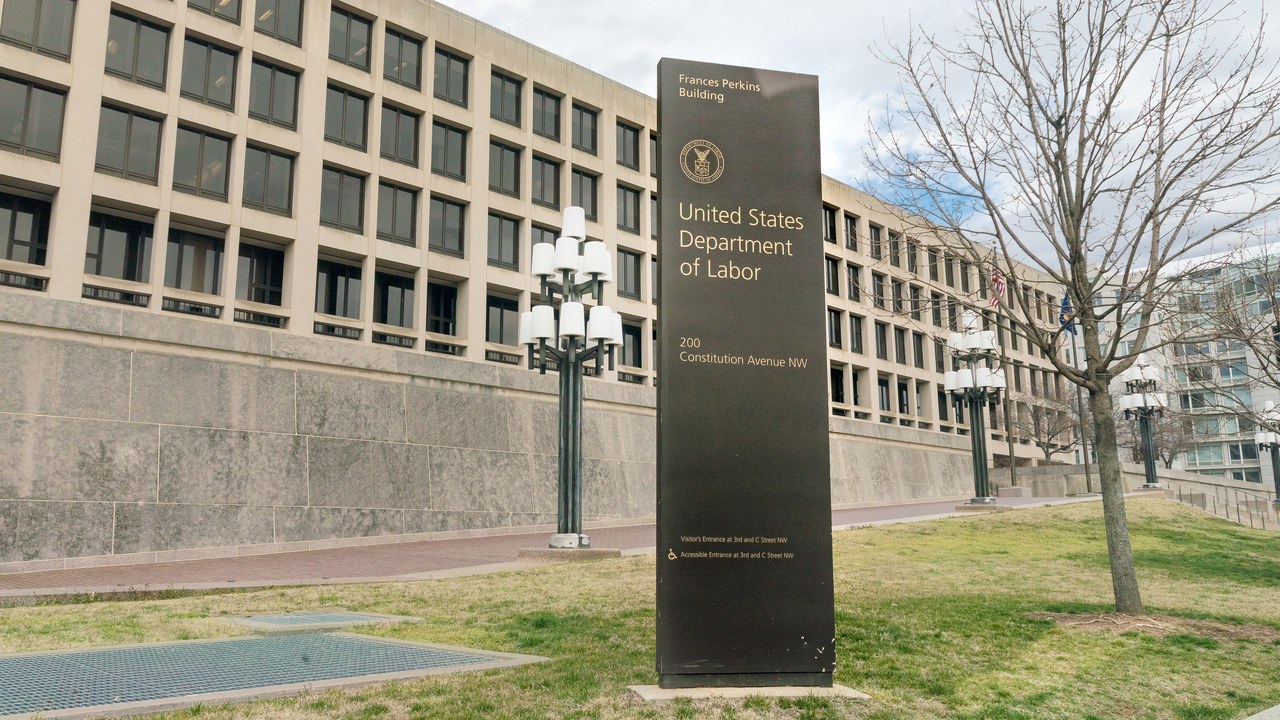
The menu of investments inside a 401(k) may be about to widen, and not everything on the new menu is simple. A Trump executive order directed federal regulators to make it easier for workplace retirement plans to offer alternative assets — private equity, real estate, and digital assets like crypto — and the Labor Department has since eased the caution that kept most of them out. For a worker, the change is not a windfall or a warning by itself; it is a reason to read any new plan option carefully before moving retirement money into it.
What the order and guidance actually did
The shift came in two steps. An August 2025 executive order instructed the Department of Labor to clear the way for 401(k) plans to include alternative investments, and the department’s Employee Benefits Security Administration followed with guidance rolling back its earlier, more cautious stance. In its announcement on the change, EBSA moved away from language that had effectively discouraged plan sponsors from offering private-market and digital assets, signaling that including them would not automatically be treated as a fiduciary misstep.
What the order did not do is put crypto or private equity into your account. It removed a regulatory deterrent. Whether any of these options ever appears in a given 401(k) is still up to the employer and the plan administrator, who decide what the investment lineup contains. So the practical effect is permission, not placement — the door is open, but someone still has to walk your plan through it.
Free retirement updates: Keep more of your Social Security and savings with plain-English updates on the changes, deadlines, and costly mistakes retirees miss. Subscribe free.
Why these assets come with more strings
Alternative investments are not just riskier versions of a stock fund; they behave differently in ways that matter for retirement money. Private equity and private real estate are illiquid — you cannot always sell them quickly or at a predictable price, because there is no public market setting a value every second the way there is for a mutual fund. That makes them harder to value on a statement and harder to cash out on your timeline, which is the opposite of what most people want from savings they may need to draw down in retirement.
They also tend to carry higher fees. Private-market funds commonly layer management and performance fees that are far above what a low-cost index fund charges, and over decades, fees are one of the largest determinants of how much a 401(k) is actually worth at the end. Crypto adds its own volatility, with swings that can be severe over short periods. None of that makes these assets inappropriate for everyone — but it does mean they demand more scrutiny than checking a box on an enrollment form.
What a worker should actually watch for
If an alternative option shows up in your plan, the useful questions are concrete. What is the total fee, stated as an all-in expense ratio, and how does it compare with the plan’s index options? How and when can you sell — daily, quarterly, or only at set windows? How is the asset valued on your statement, and how often? A one-page summary that answers those clearly is a good sign; vague answers are a reason to wait.
It also helps to keep the role of these assets modest. Financial planners who work with alternatives generally treat them as a small slice of a portfolio for investors who understand the tradeoffs, not as a core holding for retirement savings someone will lean on. The default fund in most 401(k) plans — a diversified, low-cost target-date or index fund — remains a reasonable home for the bulk of the money, and nothing in the new guidance requires you to move away from it.
One likely path is that these assets arrive bundled rather than as standalone choices. Plan administrators may fold a slice of private equity or other alternatives into a professionally managed option such as a target-date fund, where the allocation is set for you and disclosed in the fund’s documents rather than picked à la carte. If that happens in your plan, the questions do not change — total fees, how the assets are valued, and how the fund handles liquidity — but the answers live in the fund’s fact sheet and prospectus. Reading that disclosure is how a worker sees whether an alternative allocation has been added to an option they already hold.
Permission is not a recommendation
The order’s real message to savers is easy to misread. Making something available is not the same as endorsing it, and the Labor Department eased its stance rather than blessing any particular investment as suitable for the average worker. The responsibility for whether a private-equity or crypto option belongs in your account still rests with your plan’s fiduciaries first and, ultimately, with you.
So the sensible response to a wider menu is not enthusiasm or alarm but attention. If new alternatives appear in your 401(k), read the fee and liquidity terms before you move a dollar, weigh them against the low-cost options already in the plan, and treat any allocation as a deliberate decision rather than a default. The government has opened the door; walking through it is a choice that belongs to the person whose retirement is on the line.
This article was produced with AI assistance and reviewed by a human editor. Figures are linked to their primary sources; where a claim could not be verified from the public record, we say so.
More Financial Reading