Almost everyone who gets laid off assumes the job is gone and that whoever the company hires next is none of their business. In one slice of the California economy, that assumption is wrong and expensive. A covered hotel, event center, airport food operation or building services contractor that laid workers off for a pandemic-related reason was required to work back down its own seniority list before hiring anybody new. On August 4, the state attached a $2.75 million figure to what happens when a hotel is accused of skipping that step.
The settlement the Labor Commissioner announced on August 4
California’s Labor Commissioner’s Office said it secured a $2.75 million settlement for 24 workers who lost their jobs during the COVID-19 pandemic and were, in the state’s words, “unlawfully denied the opportunity to return to work.”
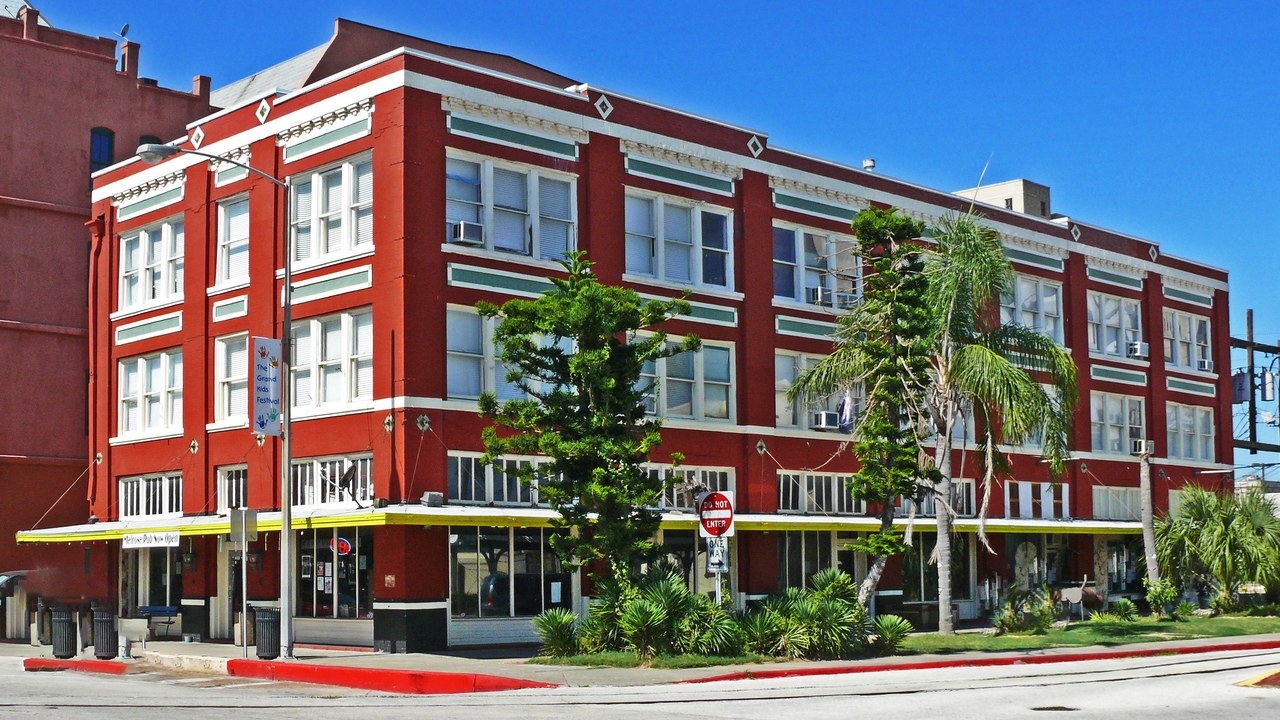
The state’s news release, numbered 2026-64, is careful about what it is claiming. The settlement “resolves allegations that the Anaheim Marriott Hotel failed to comply with California’s Right to Recall law by not offering available positions to eligible former employees based on seniority after pandemic-related layoffs.” Eligible workers, the office says, were former employees who had worked for the employer at least six months, were separated for a pandemic-related reason, and were qualified for the same or a similar position. Labor Commissioner Lilia García-Brower said the office “followed the facts, enforced the law, and secured a settlement that provides meaningful relief to affected workers.” The state did not publish a per-worker breakdown, and there is no basis for dividing the figure yourself.
Free retirement updates: Keep more of your Social Security and savings with plain-English updates on the changes, deadlines, and costly mistakes retirees miss. Subscribe free.
What a recall offer is supposed to look like
The obligation under Labor Code section 2810.8 is unusually specific, which is why it can be enforced with dollar figures. The Labor Commissioner’s official questions and answers on recall rights lay out the sequence: within five days of a job opening, the employer must offer the position to laid-off employees who held the same or a similar job before the layoff, and the employee then has five business days to accept.
Seniority is measured by total length of service with the employer based on hire date — not by time in a particular job — and it includes stretches when someone was on leave or vacation. The employer has to notify workers in person or by U.S. Mail, and additionally by email and text if it has that contact information on file. If it passes over a laid-off worker on the grounds that the person is not qualified and gives the job to someone with less seniority, it owes that worker a written notice within 30 days stating the length of service of whoever was hired instead, along with all the reasons. Employers must keep those records for at least three years from the layoff notice.
The law covers far more than hotels
Most coverage of these cases involves hotels, which distorts who thinks the rule applies to them. Under the state’s guidance, the recall obligation reaches hotels and private clubs with 50 or more guest rooms; event centers larger than 50,000 square feet or seating more than 1,000, including concert halls, stadiums, sports arenas, racetracks, coliseums and convention centers — and the concessions, restaurants, bars, retail stores and structured parking operated in connection with them.
It also reaches airport hospitality operations and airport service providers, from food and beverage to ground handling, aircraft cleaning and passenger assistance, though FAA-certificated air carriers are excluded. And it reaches building services: janitorial, building maintenance and security work for commercial buildings. Company size does not matter. Any employer of a covered enterprise has to comply regardless of headcount.
From a $12.4 million citation to a $2.75 million settlement
This settlement is the back half of a case that started years earlier. In October 2024, the Labor Commissioner’s Office cited the Anaheim Marriott for an estimated $12,449,175 in damages covering 28 workers. That investigation opened in June 2022 after Unite Here Local 11 submitted reports on behalf of laid-off workers.
The state’s description of what it found is concrete. The hotel reopened in 2021, but long-serving employees were not offered reemployment, or were offered an opening only after workers with less seniority had already been rehired, and the hotel filled positions through staffing agencies. The affected jobs were bell attendants, banquet captains, engineers, landscapers and lead cooks — some of the workers had as many as 40 years of service. The 2024 citations named Marriott Hotel Services, Inc., Marriott Hotel Services, LLC and Marriott International, Inc., operating as the Anaheim Marriott, as jointly liable.
The $500-a-day clock, and why you report instead of sue
The penalty structure is what gives a recall violation its size. The state’s guidance sets civil penalties of $100 per employee whose rights were violated, plus compensatory liquidated damages of $500 for each day the violation continues until it is cured, with interest under Civil Code section 3289(b). A court may also issue an injunction. Twenty-eight workers and a violation running for months is how an estimate reaches eight figures.
There is a catch that shapes what a worker should actually do. An individual employee has no private right of action under section 2810.8, and the Labor Commissioner is the sole statewide enforcement authority, although a city or county ordinance may create its own private remedy. In practice that means the route is a report, not a lawsuit. California takes those through its Report a Labor Law Violation process, which feeds the Bureau of Field Enforcement, the same unit that opened the Anaheim file. Reports based on a written agreement must be filed within four years of the violation, reports where a law or regulation creates the liability within three years, and reports based on an oral agreement within two.
Check the expiration date before you count on the right
One thing every covered worker should verify rather than assume: this recall right was written with a built-in end date, and that date has moved. The Labor Commissioner’s own questions and answers, dated August 2021, state that recall rights end December 31, 2024. By the time of the October 2024 citation, the department was writing that the law “has been extended to December 31, 2025.” And the August 2026 settlement release describes the duty in the past tense, saying that “during the period relevant to this case, the law required covered employers to offer available positions to qualified former employees based on seniority before hiring other workers.” Before relying on it, confirm the current expiration date with the Labor Commissioner’s Office directly at 833-526-4636.
This article was produced with AI assistance and reviewed by a human editor. Figures are linked to their primary sources; where a claim could not be verified from the public record, we say so.
More Financial Reading