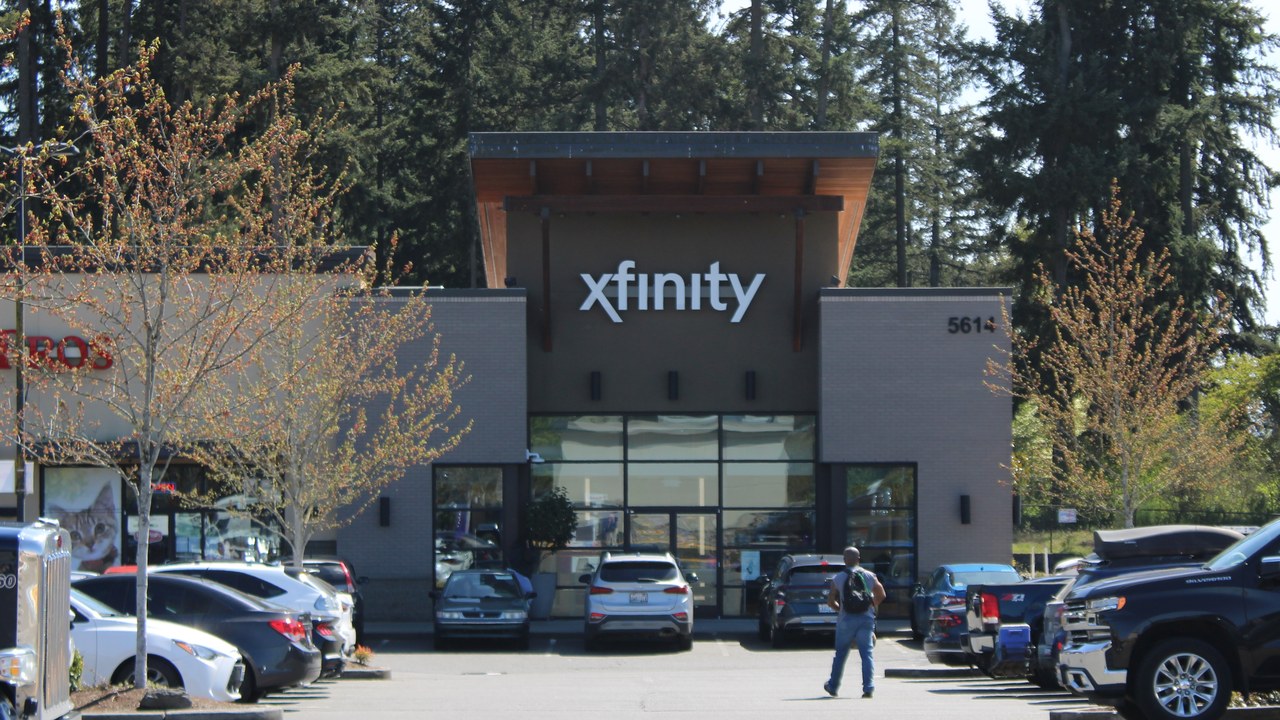
If Comcast is your internet or cable provider, there is a good chance you are owed money right now, and the deadline to claim it is close. A $117.5 million class-action settlement over a 2023 data breach is paying eligible Xfinity customers a flat $50, or more if they can document losses, and the window to file closes on September 14, 2026. This is a rare case where the payout is real, the brand is one tens of millions of households pay every month, and the paperwork is minimal.
What the settlement covers and who qualifies
The money resolves claims tied to a cyberattack in October 2023, when unauthorized actors reached personal information belonging to an estimated 35 million current and former Xfinity customers. Comcast denies wrongdoing but agreed to settle. According to the settlement summary in Hasson v. Comcast Cable Communications LLC, the people eligible are Xfinity customers who received a notice that their data was involved in the breach, generally sent around December 2023. If you got one of those notices, you are in the class and can file.
Free retirement updates: Every year, billions in settlements and unclaimed money go unclaimed. Our free Retirement Shield newsletter sends the real ones, with deadlines, a couple times a week. Get the free newsletter.
The $50 you can get with no documentation
The simplest option is a flat cash payment of $50 that requires no proof of any loss. You check a box saying you were affected, and that is essentially the claim. For a household that never noticed a fraudulent charge or spent hours cleaning up after the breach, that $50 is the practical payout, and it is worth the few minutes it takes to submit. Because it is a fixed amount split from a capped fund, filing early does not increase it, but failing to file at all forfeits it entirely.
When it is worth claiming more than $50
If the breach cost you real money or real time, you can claim more instead of the flat payment. The settlement allows up to $10,000 for documented out-of-pocket losses, such as fraudulent charges, fees, or costs you incurred protecting yourself, and it pays $30 an hour for up to five hours of time you spent dealing with the fallout. Those larger claims require documentation, so gather bank or card statements, receipts, and any records that connect a loss to the breach before you file. For most people the flat $50 is the right choice, but anyone who had to freeze credit, dispute charges, or replace accounts should price out the documented route.
The credit monitoring you get without filing anything
Separately, the settlement provides three years of credit monitoring and identity-protection services, described as CyEx Financial Shield coverage with up to $1 million in identity-theft insurance, and that benefit is available to class members without submitting a claim. That is a useful detail: even someone who misses the cash deadline may still be entitled to the monitoring, though the surest path is to review the official notice for how to activate it. Credit monitoring will not undo a breach, but it flags new accounts opened in your name, which is exactly the risk a data breach creates.
How to file and how to avoid a scam version of this
Claims go through the official administrator, Kroll, at the settlement website ComcastBreachSettlement.com, and the deadline to submit is September 14, 2026. Use only that official site or the contact information printed on the notice you received. A legitimate class-action administrator never charges a fee to file and never asks you to pay to receive a settlement payment, so treat any call, text, or email demanding money or a Social Security number to “release” your Comcast payout as fraud. The clean move is to go directly to the administrator’s site, file the flat claim if that fits you, and keep a copy of the confirmation. The settlement’s own filings, not a forwarded message, are the authority on what you are owed and how to get it.
Why these breach payouts are worth the few minutes
Data-breach settlements have a reputation for tiny payouts, and it is fair to ask whether $50 is worth the effort. For most people it is, precisely because the effort is so small: a legitimate flat claim takes only a few minutes and requires no documentation, and the alternative is leaving money on the table that simply reverts to the fund. Beyond the cash, the three years of credit monitoring included here have real value for anyone whose information was exposed, because stolen data can sit unused for months before a criminal tries to open an account with it.
The broader habit worth building is treating every breach notice you receive as a prompt to act rather than a letter to file away. When a company tells you your data was exposed, consider placing a free credit freeze with the three major credit bureaus, which blocks new accounts from being opened in your name and can be lifted anytime. The Comcast settlement’s official administrator is the authoritative source for who qualifies and how to file, and going straight there, before the September 14, 2026 deadline, is the difference between collecting what you are owed and forfeiting it.
This article was produced with AI assistance and reviewed by a human editor. Figures are linked to their primary sources; where a claim could not be verified from the public record, we say so.
More Financial Reading