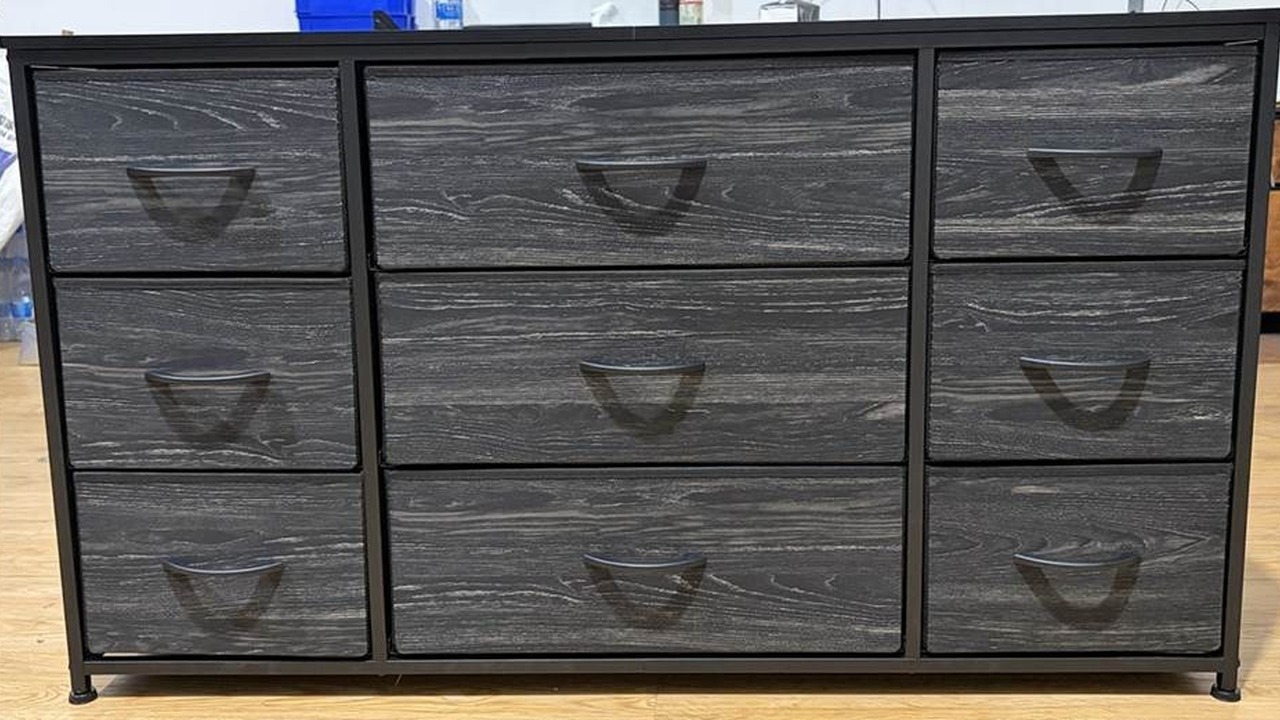
A dresser looks like the last thing in a home that could hurt someone, which is exactly why tip-over accidents keep happening. Federal regulators this month pulled several inexpensive dresser lines sold through Amazon and Wayfair off the market because they can topple over, and the remedy for owners is a full refund. If one of these is standing against a wall in your house, the fix is worth handling today rather than filing away for later.
What was recalled and why
On August 6, 2026 the U.S. Consumer Product Safety Commission announced the recall of Winston Porter and Seeday 3-, 4-, and 5-drawer dressers, about 2,050 units in all, and separately of Fixwal 7-drawer dressers. The agency says the units are unstable if they are not anchored to a wall, posing tip-over and entrapment hazards that can cause serious injury or death, especially to children.
Free retirement updates: Want plain-English help keeping more of your money in retirement? The free Retirement Shield newsletter covers scams, benefits, and money many retirees may be owed, a couple times a week. Subscribe free.
The safety standard the dressers failed
These recalls are not judgment calls; the dressers violate a federal law. The STURDY Act set a mandatory stability standard for clothing-storage furniture after years of tip-over deaths, and units that do not meet it can be recalled on that basis alone, without waiting for an accident. That is why a dresser can be pulled from the market for what it might do rather than what it has done, and it is the reason to take the notice seriously even if your own unit has never wobbled.
Where and when they were sold
The recalled Winston Porter and Seeday dressers were sold on Amazon and Wayfair, with some sold as recently as this year and others going back to 2025, at prices that generally ran from around $70 to $160. Inexpensive furniture ordered online is easy to forget about once it is assembled and in a bedroom, so it is worth checking the brand and model of any recently purchased dresser against the CPSC listings, particularly in a child’s room where an anchored dresser is most important.
The wider tip-over hazard behind the recall
These specific dressers are part of a hazard regulators have chased for years. Furniture tip-overs send thousands of people to emergency rooms annually and have killed children who climbed on or leaned against unstable dressers, which is what prompted Congress to pass the STURDY Act and direct the Consumer Product Safety Commission to set a mandatory stability standard. Under that standard, a clothing-storage unit must stay upright under the kind of stress a curious toddler applies, and units that fail can be recalled on that basis alone. Seeing several low-cost, online-sold dressers pulled at once reflects how many imported units entered the market before the rule was fully enforced.
How to protect any dresser in your home
Even if your furniture is not on a recall list, the same safety step applies to nearly every dresser. Anchoring furniture to a wall stud with an inexpensive anti-tip kit, sold at hardware stores and often included with new furniture, dramatically reduces the risk of a tip-over, and it is the single most effective thing a parent or grandparent can do in a child’s room. Avoid placing tempting items like a television or toys on top of a dresser, since those invite climbing. Consumers can also search current recalls and sign up for alerts directly through the Consumer Product Safety Commission, so a hazard in your home surfaces before an accident does.
Getting the refund is usually a short process once you confirm your unit is affected. The recall notices list how to contact the responsible company, and consumers are typically asked to show the product has been taken out of use before payment is issued. Registering products when you buy them, and signing up for free recall alerts from the Consumer Product Safety Commission, means a future notice reaches you directly instead of relying on a headline. For a hazard that centers on children, catching a recall early is the whole point.
Secondhand and hand-me-down furniture deserves the same scrutiny as a new purchase, since a recalled dresser can pass from one home to another without anyone checking. Before accepting or buying a used dresser, look up the brand and model against current recall listings, and anchor it regardless of what the search shows. A dresser that changed hands at a yard sale carries the same tip-over risk it did when new, and the free anchoring step costs a few dollars against a hazard that has proven deadly to children.
How to get your refund
Owners are entitled to a full refund, and the process runs through the companies identified in the recall notices. The commission’s standard guidance is to stop using a recalled unit as a freestanding piece immediately, and in the meantime to anchor it to the wall to reduce the tip-over risk. Consumers are typically asked to confirm the unit is out of use, sometimes by marking it and sending a photo, before the refund is issued. No death has been reported tied to these specific dressers, but the hazard is the same one the STURDY Act was written to prevent, and the refund exists precisely so a cheap dresser does not become an expensive tragedy.
This article was produced with AI assistance and reviewed by a human editor. Figures are linked to their primary sources; where a claim could not be verified from the public record, we say so.
More Financial Reading