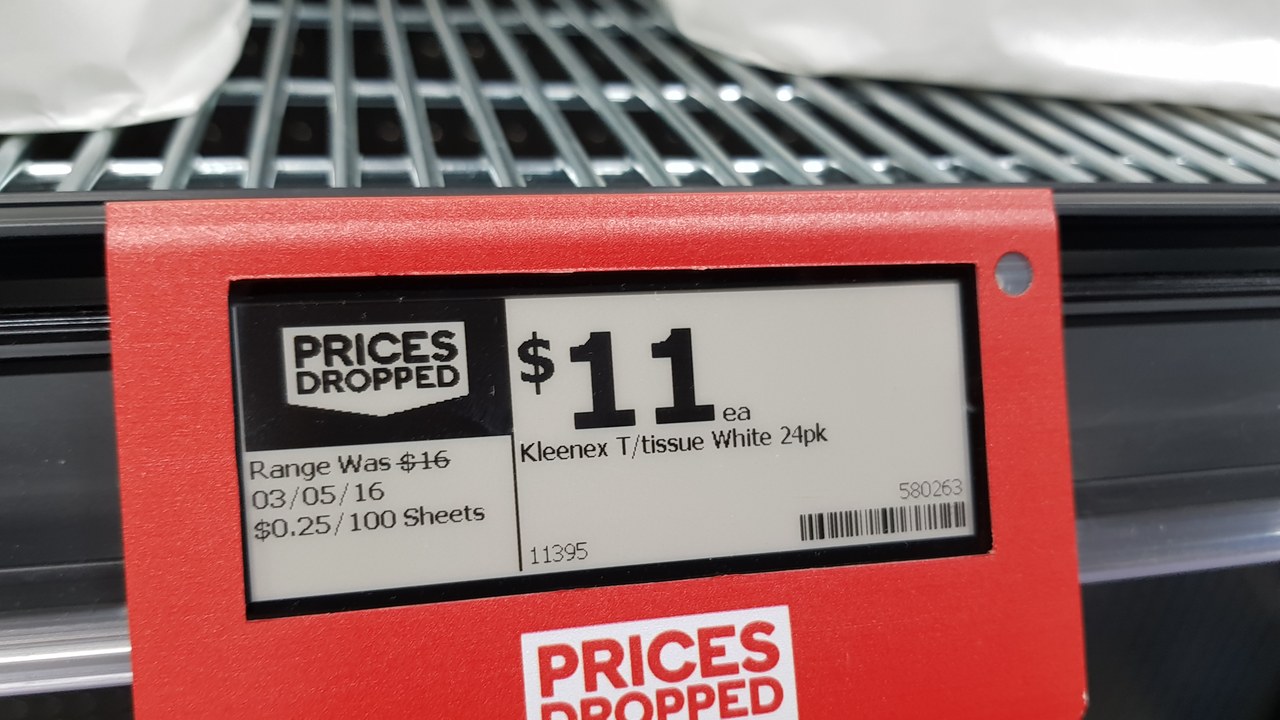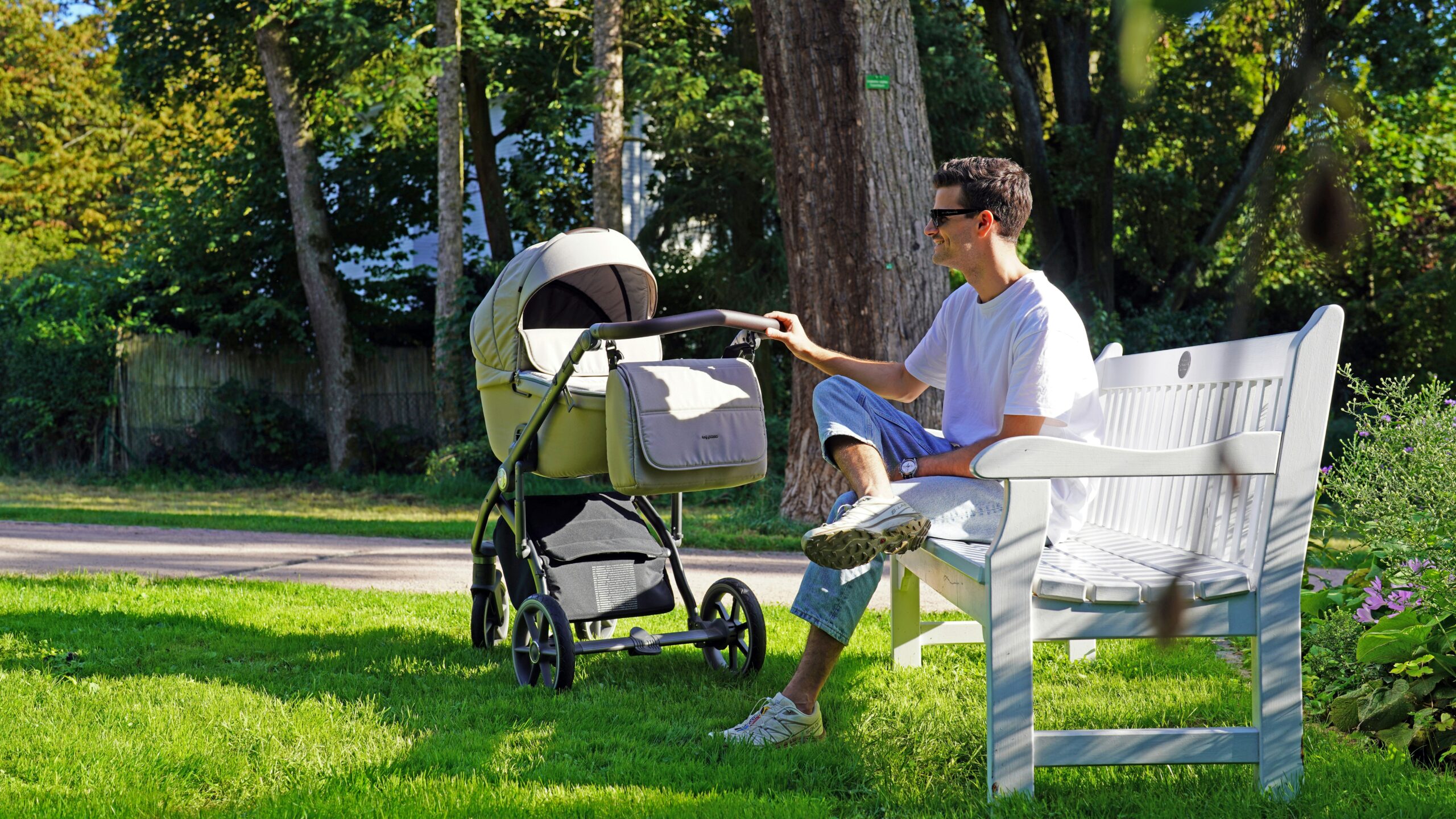
A used crib for $40. A rocking sleeper, barely touched, for $25. If you have a baby or a grandbaby on the way, the deals on resale apps and neighborhood marketplace groups look like easy wins. Here is the part the listing never mentions: some of that gear has been recalled, some of it has been tied to infant deaths, and selling it — even secondhand, even by a well-meaning neighbor — is against federal law.
The good news is that checking takes about two minutes and costs nothing. The Consumer Product Safety Commission keeps a public database of every recall, and the law puts real obligations on anyone who sells. Here is how the rules work and how to run the check before money changes hands.
Selling a recalled product is illegal — even used
This is not a suggestion or a best practice. Under Section 19 of the Consumer Product Safety Act, it is unlawful to sell, offer for sale, or distribute a consumer product that has been recalled, and the CPSC has publicly warned online sellers and resale shops that listing recalled products for sale violates federal law. That applies to a thrift store, a consignment shop, an online marketplace seller — and yes, technically, to a person posting a single item in a local swap group.
The agency has also published a Resellers Guide spelling out that resellers are expected to know the recall status of what they sell. Violations can bring civil penalties. For a family selling off outgrown baby gear, the practical takeaway is simpler: check first, because the law treats “I didn’t know” as your problem to fix, not an excuse.
Two kinds of products are banned outright
Most recalls involve a specific brand and model. But for two categories of infant sleep products, Congress went further. Under the Safe Sleep for Babies Act, inclined sleepers for infants and padded crib bumpers became banned hazardous products effective November 12, 2022 — regardless of brand, and regardless of when they were made.
That means the popular rocking and inclined sleepers sold throughout the 2010s cannot legally be sold at all anymore, new or used. Same for padded crib bumpers, including vinyl bumper guards and vertical slat covers (non-padded mesh liners are excluded). These products keep circulating anyway, because they were bought by the millions and they look perfectly fine sitting in a garage. They are exactly the items most likely to surface at a yard sale, and exactly the ones you should not buy or sell at any price.
How to check any item in about two minutes
Before you buy used baby gear — or list your own — run the name through the CPSC’s recall database at cpsc.gov/Recalls. A few tips to make the search work:
Search the brand name first, then the product type (for example, the manufacturer plus “bassinet”). Recall notices often cover several model numbers, so once you find a notice, check the model number printed on the product’s label — usually on a sticker or stamp on the frame or underside — against the list in the notice. If the seller can’t show you the label, treat that as a no.
Ask the seller for the product’s name and model before you drive anywhere. A legitimate seller won’t mind. And if you’re the one selling, do the same search on your own items; if something comes up, pull the listing.
If you own something that’s been recalled
Don’t sell it, don’t donate it, and don’t hand it down to a relative — passing a banned or recalled product along to family carries the same risk to the child, even when no money changes hands. Instead, use the remedy in the recall notice. Every recall notice states what the manufacturer is offering: a refund, a repair, or a replacement part, and the notice includes contact information for the company. You generally don’t need a receipt to get the remedy, and it costs you nothing.
If the item is one of the banned sleep products, the safest end for it is disassembly and the trash, so it can’t be pulled from a curb and reused.
Where to report a dangerous product
If a product hurt your child or came close — a rail that dropped, a strap that failed, a piece that broke off — report it at SaferProducts.gov, the CPSC’s public incident database. You can also search that database to see what other families have reported about a product before you buy it, which catches problems that haven’t ripened into a formal recall yet.
Reports there are not busywork. Recalls start with incident data, and a pattern of reports about the same product is often what forces action.
The bottom line for buyers and sellers
Secondhand baby gear can be a genuinely good deal — kids outgrow things fast, and most used products are fine. But the category has a real hazard problem, the law puts the burden on the seller, and the check is free. Two minutes at cpsc.gov/Recalls before you buy or list is the cheapest insurance in parenting. If an item was recalled, claim the remedy instead of reselling it. If it’s an inclined sleeper or a padded crib bumper, it’s banned outright — retire it for good.
This article was produced with AI assistance and reviewed by a human editor. Figures are linked to their primary sources; where a claim could not be verified from the public record, we say so.